


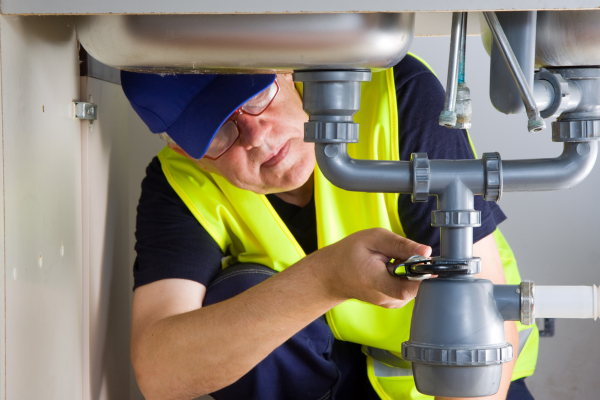

Plumbing costs can vary widely depending on the type of service, urgency, and your location, but most plumbers charge between $75 and $150 per hour for standard scheduled work — with a national average of around $100 per hour. Minor jobs like fixing leaks, unclogging drains, or small repairs typically cost between $150 and $600.
Complex projects or emergency after-hours services can increase rates to $150–$300+ per hour, and in some metro areas even higher. Factors such as job difficulty, materials, and the plumber’s experience also play a significant role in overall pricing. Location can further impact costs, with urban areas often charging higher rates than smaller towns.
Understanding these price ranges helps homeowners budget effectively and avoid overpaying. In this guide, we cover hourly rates, job-specific costs, installation pricing, regional differences, and expert tips for hiring the right plumber at the right price.
Average Plumber Cost in 2026
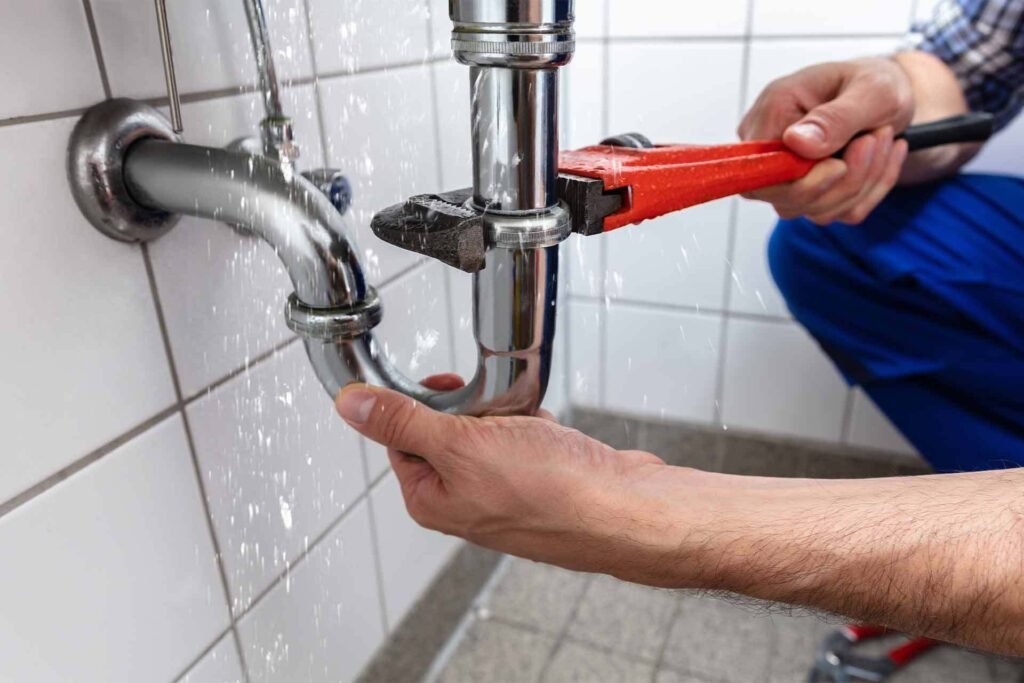
In 2026, plumbing costs vary significantly based on job type, location, materials, and labor. According to industry data from HomeGuide and Angi, homeowners spend an average of $175–$450 per plumbing visit. While small fixes are relatively affordable, larger installations or full system upgrades can reach five figures. The ranges below provide a reliable baseline for budget planning.
- Minor repairs: $150–$600 (e.g., fixing leaks, unclogging drains, replacing small parts)
- Medium jobs: $500–$3,000 (e.g., installing fixtures, repairing pipes, water heater services)
- Major projects: $3,000–$15,000+ (e.g., full plumbing installations, repiping, major renovations)
These averages can fluctuate based on labor rates, materials, and your location, but they provide a reliable baseline for planning your plumbing budget.
Plumber Hourly Rates
Plumber hourly rates vary based on experience, job complexity, and service timing, with higher costs for emergencies or after-hours work. Understanding these differences helps you plan your budget and choose the right time for plumbing services. Let’s break down each type of rate in detail below.
Standard Hourly Rates
Most licensed plumbers charge between $75 and $150 per hour for regular, scheduled work during normal business hours. This rate covers common tasks like repairs, fixture installations, and maintenance.
Costs at the higher end ($120–$150/hr) typically reflect master plumbers or high cost-of-living cities like New York, San Francisco, or Chicago.
Emergency & After-Hours Rates
Emergency plumbing services typically cost between $150 and $300 per hour — sometimes more in metropolitan areas. These premium rates apply during nights, weekends, or holidays.
The higher price reflects both the plumber’s readiness to respond quickly and the increased risk of water damage every hour a problem goes unaddressed.
Service Call Fees
Most plumbers charge a service call or trip fee ranging from $50 to $150 to visit your location and assess the issue.
This fee typically covers travel and initial diagnostics, even if no repair is performed. Always ask upfront whether the service call fee is applied toward the final bill if you proceed — many plumbers offer this, but not all.
Cost of Common Plumbing Jobs
| Job Type | Average Cost | Complexity |
| Fix a Leak | $150–$500 | Minor |
| Unclog Drain | $100–$400 | Minor |
| Toilet Repair | $150–$350 | Minor |
| Faucet Replacement | $200–$600 | Minor–Medium |
| Pipe Burst Repair | $1,000–$4,000 | Major |
| Water Heater Replacement | $800–$2,500 | Medium–Major |
| Sewer Line Repair | $1,000–$5,000 | Major |
| Water Main Repair | $500–$2,500 | Major |
| Garbage Disposal Install | $150–$400 | Minor |
| Shower/Tub Installation | $1,000–$3,500 | Medium |
| Sump Pump Installation | $500–$1,500 | Medium |
| Gas Line Repair | $200–$800 | Medium–Major |
| Toilet Installation (new) | $250–$800 | Medium |
| Pipe Insulation | $100–$400 | Minor |
| Backflow Preventer Install | $300–$900 | Medium |
These costs may vary depending on factors such as labor rates, location, materials, and the complexity of the issue.
Emergency Plumber Cost vs Regular Service
Price Comparison
Regular plumbing services typically cost $75–$150 per hour — ideal for planned repairs and non-urgent maintenance. Emergency plumbing services run $150–$300+ per hour, and in major cities, rates can exceed $350/hour.
In practice, emergency calls often cost 1.5x to 2x more than standard rates, especially when factoring in after-hours trip fees.
Why Emergency Costs More
Emergency plumbing costs are higher because plumbers must remain on-call outside normal working hours — including nights, weekends, and holidays.
Fast response is critical to preventing serious damage like flooding, structural water damage, or burst pipe failures. The premium reflects both the urgency and the real cost of 24/7 availability.
Real-Life Example
For example, fixing a leaking pipe during regular hours might cost around $200–$400. However, if the same issue happens at midnight and requires urgent attention, the cost could jump to $500–$900 or more. This difference highlights how timing can significantly impact your total plumbing bill.
Plumbing Installation Costs
| Installation Type | Cost Range | Key Variables |
| Water Heater Install | $800–$6,000 | Tank vs tankless, brand, permits |
| Bathroom Plumbing | $2,000–$10,000+ | No. of fixtures, pipe relocation |
| Kitchen Plumbing | $1,500–$5,000 | Layout changes, appliance lines |
| Full House Repiping | $4,000–$15,000 | Home size, pipe material (PEX/copper) |
| Basement Plumbing Rough-In | $1,500–$4,000 | Drain depth, permit requirements |
Factors That Affect Plumbing Costs
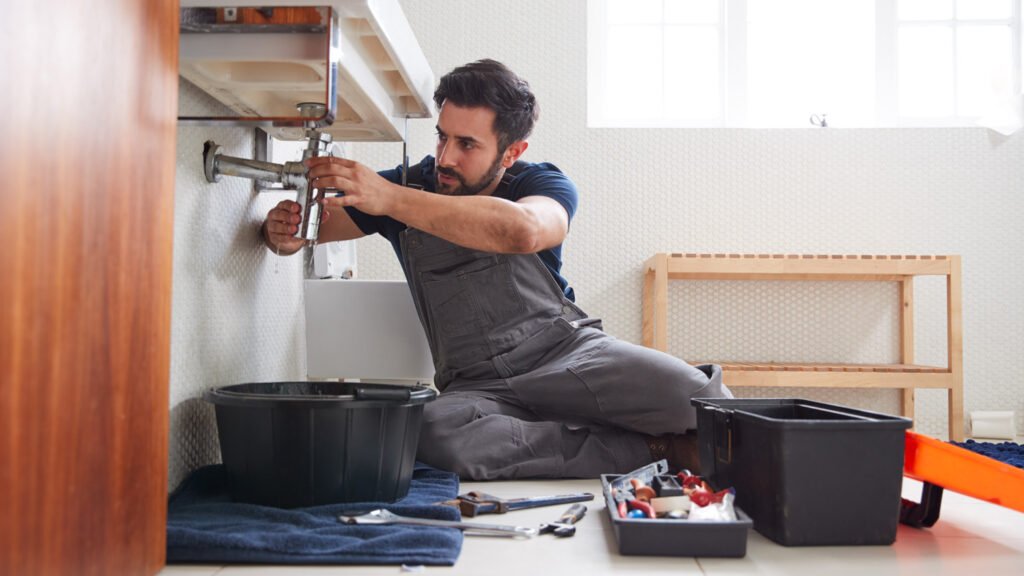
Plumbing costs vary significantly based on several key factors — and understanding them helps you budget accurately and avoid surprises.
No two jobs cost exactly the same, because each involves a unique combination of location, materials, labor, and complexity. Here are the six main cost drivers to know before you hire a plumber.
Job Complexity
Simple repairs like patching a leak or replacing a faucet washer are usually affordable ($100–$400). Complex tasks like repiping an entire house or installing a new plumbing system require significantly more time and expertise, often running $4,000–$15,000+.
Materials (PEX vs Copper)
Material choice has a major impact on total cost. PEX piping costs $0.40–$0.50 per linear foot and is flexible and easy to install. Copper piping costs $2–$4 per linear foot but offers greater durability and longevity. For most modern renovations, PEX is preferred unless local codes require copper.
Location
Location is one of the biggest cost variables. Plumbers in New York City or San Francisco may charge $150–$200+/hour, while the same job in a rural Midwest area might cost $60–$90/hour. Local permit fees, cost of living, and regional demand all influence final pricing.
Labor Experience
Experienced and licensed plumbers tend to charge higher rates, but they often deliver better quality work and long-term reliability. Hiring a professional can save money on future repairs.
Accessibility
If pipes or fixtures are difficult to access—such as behind walls or underground—the job requires more time and effort. This increases labor costs and overall pricing.
DIY vs Professional Plumbing Cost
Choosing between DIY plumbing and hiring a professional depends on the type of problem, your skill level, and the potential risks involved. While DIY can save money on small fixes, complex or dangerous issues should always be handled by an expert.
When DIY is Safe
DIY plumbing is safe and cost-effective for minor fixes: unclogging drains, tightening loose fittings, replacing a faucet washer, or fixing a running toilet flapper.
These tasks require basic tools (plunger, adjustable wrench, plumber’s tape) available for under $30. Always shut off the water supply valve before starting any repair.
When to Call a Plumber
Always call a licensed professional for: gas line leaks or repairs, burst pipes, sewage backups, water heater installations, permit-required work, or any issue involving the main water or sewer line.
These situations carry serious safety risks and legal liability. Unlicensed work can void your homeowner’s insurance and violate local building codes.
When Should You Call a Plumber?
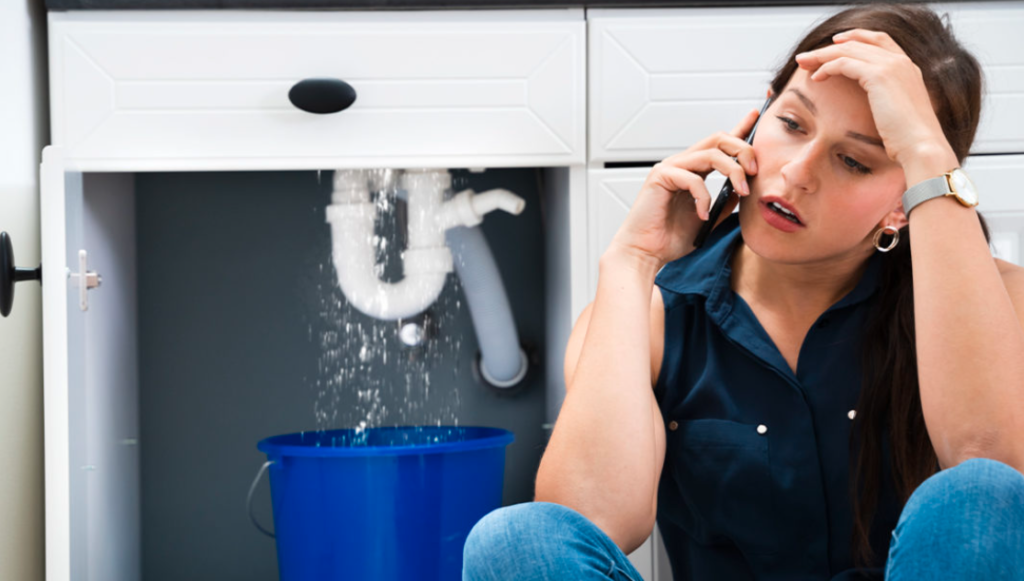
Knowing when to call a plumber can save you from costly repairs and serious damage. If you notice ongoing issues that don’t resolve with basic fixes, it’s best to seek professional help before the problem worsens.
Low Water Pressure
A sudden drop in water pressure often signals hidden leaks, pipe corrosion, blockages, or a failing pressure regulator. If pressure drops below 40 PSI throughout your home, don’t delay — call a plumber. Ignoring low pressure can accelerate pipe wear and increase long-term repair costs.
Persistent Leaks
Recurring leaks that return after simple repairs often indicate cracked pipes, failing joint seals, or excessive water pressure. Left unaddressed, persistent leaks cause structural water damage, toxic mold growth, and utility bills that can increase 10–30%.
A professional leak inspection typically costs $75–$200 and can save thousands in downstream repairs.
Strange Noises
Unusual pipe sounds are often early warning signals: banging (water hammer) indicates pressure surges or unsecured pipes; gurgling suggests drain blockages or venting issues; whistling points to worn washers or high-pressure problems.
A plumber can diagnose and fix these issues before they escalate into costly emergencies.
Tips for Hiring the Right Plumber
Choosing the right plumber ensures quality work, fair pricing, and long-term reliability. Here are some essential tips to help you make the best decision:
Check License
Always verify your plumber’s license before hiring. In most U.S. states, plumbers must hold a state-issued journeyman or master plumber license. You can verify licenses online through your state contractor licensing board. Unlicensed work may not pass inspections and can void your homeowner’s insurance.
Read Reviews
Check reviews on Google, Yelp, and the Better Business Bureau (BBB). Look for plumbers with 4.5+ star ratings and at least 20 reviews. Pay close attention to how they respond to negative feedback — professionalism in conflict resolution is a strong indicator of reliability.
Ask for Estimates
Always get at least 3 written estimates before committing. A detailed quote should include labor costs, material costs, estimated hours, and any permit fees. Be wary of quotes that are 40%+ below average — they often indicate unlicensed work or hidden charges added later.
Warranty Check
Choose a plumber who provides a written warranty on both labor and parts — typically 1 year for labor and 1–5 years for parts depending on the manufacturer. Get the warranty terms in writing before work begins, and confirm it covers both repair failures and part defects.
Plumbing Cost Calculator (Estimate Your Cost)
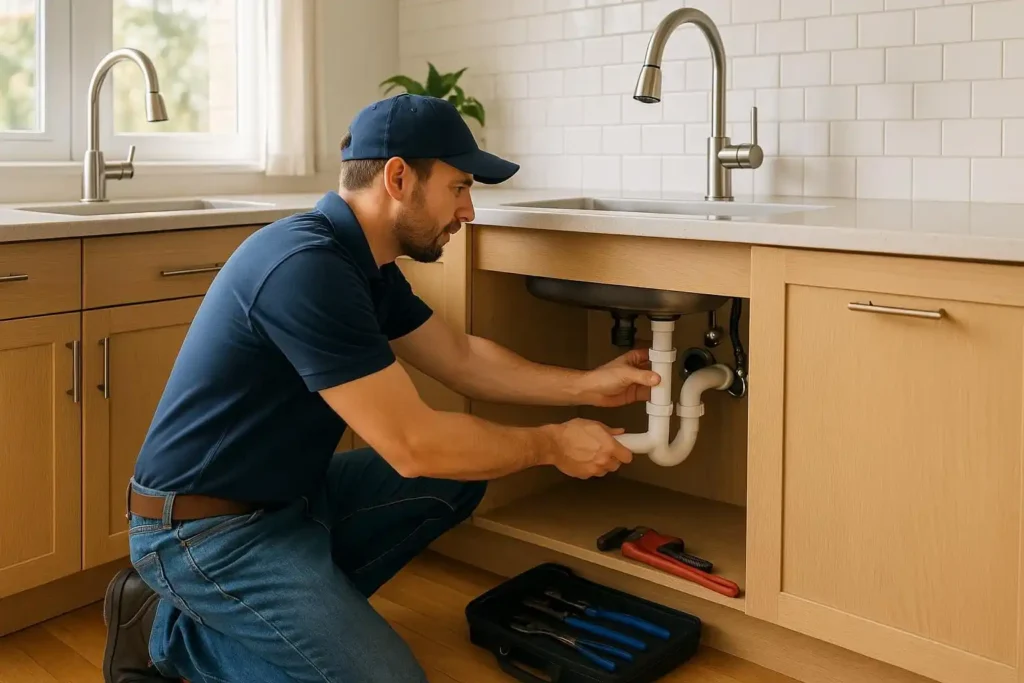
Use this simple cost estimator framework to calculate a realistic plumbing budget before hiring. While an interactive tool requires custom development, the formula below gives you a solid ballpark: (Hourly Rate × Estimated Hours) + Materials + Service Call Fee + Permit Fees = Total Estimated Cost.
How to Estimate Your Plumbing Cost
Example: A kitchen faucet replacement in Chicago — $120/hr × 1.5 hrs = $180 labor + $80 faucet + $75 service call = $335 estimated total. For a tankless water heater installation in a rural area — $85/hr × 6 hrs = $510 labor + $900 unit + $150 permit = $1,560 estimated total.
Factors to Input
- Type of service: Repair, installation, or emergency work
- Job complexity: Simple, medium, or major project
- Labor rate: Hourly rate based on your location
- Materials: Type and quality (e.g., PEX or copper)
- Time required: Estimated hours to complete the job
- Accessibility: Ease of reaching pipes or fixtures
Using these inputs, you can create a close estimate and make more informed decisions before starting your plumbing work.
Conclusion
Plumbing costs in 2026 range from under $200 for simple repairs to $15,000+ for major installations — and knowing what to expect makes all the difference.
From hourly rates and job-specific pricing to material choices and regional differences, this guide gives you the data to plan confidently and avoid overpaying. Hourly rates, installation costs, and emergency services all play a role in your final bill.
By comparing at least three written estimates, verifying licenses, and knowing when a job exceeds DIY limits, you’ll make smarter, safer, and more cost-effective decisions. Choosing the right licensed plumber protects your home, your budget, and your warranty — delivering quality work and genuine long-term peace of mind.
Frequently Asked Questions
How much does a plumber charge to diagnose a problem?
Most plumbers charge a service call or diagnostic fee of $50–$150, which may be credited toward the repair if you hire them. For complex diagnostics (like leak detection using thermal imaging), expect $200–$400.
Are plumbing costs tax deductible?
Plumbing repairs for a rental property are generally tax deductible as a business expense. For your primary home, standard repairs are not deductible, but plumbing work done as part of a home office or energy-efficient upgrade may qualify. Always consult a tax professional for your specific situation.
Can I Fix Plumbing Myself?
Yes — for minor issues like unclogging drains, replacing a faucet washer, fixing a running toilet flapper, or tightening a loose P-trap, DIY is safe and cost-effective. However, anything involving gas lines, sewage, water heaters, or permit-required work should always be handled by a licensed plumber to avoid safety risks, code violations, and insurance complications.
What Is the Cheapest Plumbing Repair?
The cheapest plumbing repairs include simple fixes like replacing a rubber washer, tightening loose connections, or clearing a clogged drain with a plunger. These typically cost less than $10–$20 in materials.
What Is Included in Plumbing Service?
Plumbing services generally include the installation, repair, and maintenance of pipes, fixtures, and appliances connected to water, gas, and sewage systems. This can range from small repairs to full system installations.
How Can I Reduce Plumbing Costs?
You can reduce plumbing costs by performing regular maintenance, fixing small issues early, and avoiding emergency situations. Preventive care helps minimize expensive repairs in the long run.
Related Articles
Average Door Thickness: A Complete Guide to Standard Sizes and Measuring Tips
18 Inch Deep Base Cabinets: A Smart Storage Solution for Every Kitchen
How to Clean and Store Kitchen Tools: The Complete Guide
Can You Paint Metal Roofing? The Complete Guide for Homeowners & Pros
Joist Tape for Decking: The Complete Guide to Protecting Your Deck’s Substructure




