


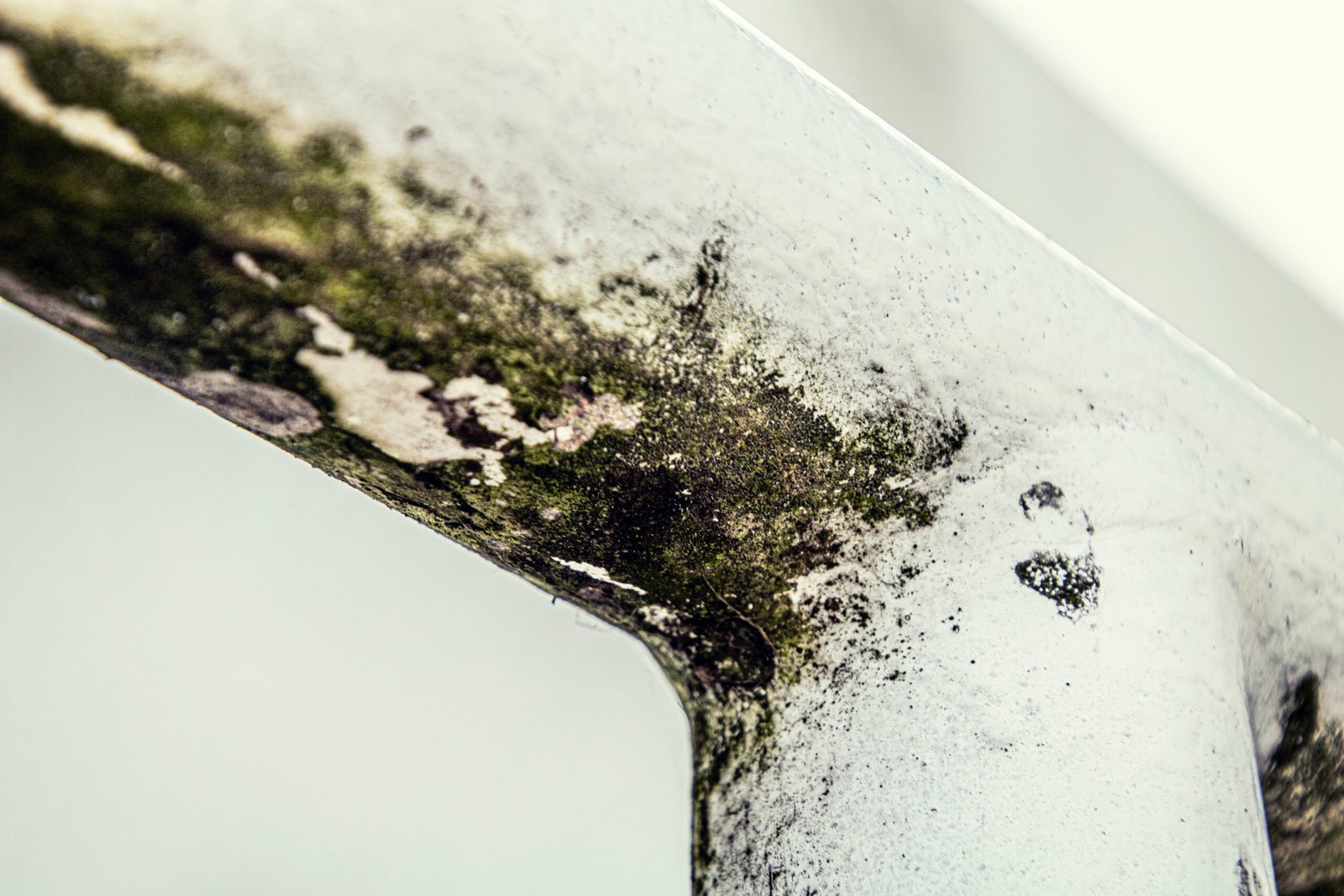

Bathroom mold is one of the most frustrating household problems — dark, ugly patches spreading across your tiles, grout, and ceiling, and worsening every day if left untreated. Beyond being an eyesore, bathroom mold releases airborne spores that can trigger allergies, respiratory irritation, and worsening asthma symptoms.
The good news: it can be removed effectively using household solutions — white vinegar, 3% hydrogen peroxide, or a 1:10 bleach-to-water dilution. Applied correctly and left to dwell for 30–60 minutes before scrubbing, these solutions kill mold spores at the root — not just on the surface.
But removal alone is not enough. In this complete guide, you will learn the root causes of bathroom mold, how to identify the type you are dealing with, a proven 5-step removal process, and — critically — how to stop it from ever coming back.
In this article, we will also discuss the types of mold and their causes, helping you take the right steps to keep your bathroom fresh, hygienic, and mold-free for the long term.
What Causes Mold in the Bathroom?
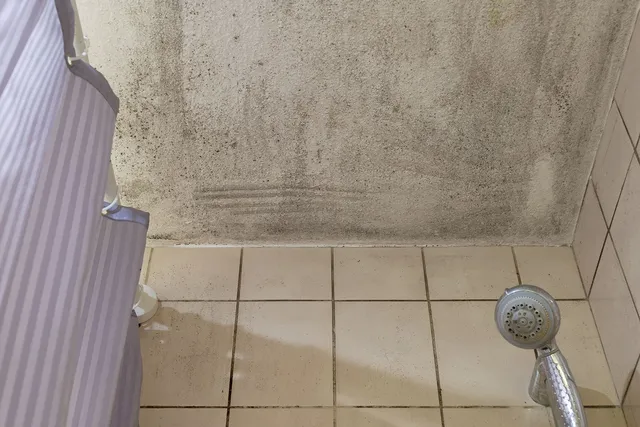
Bathroom mold thrives wherever three conditions meet: moisture, warmth, and poor airflow. Hot showers and baths release large amounts of steam, raising indoor humidity to levels where mold spores — always present in the air — begin to settle and colonize within 24 to 48 hours.
Without an exhaust fan or adequate window ventilation, this trapped moisture has nowhere to escape. Surfaces that stay damp for more than 24 hours after each shower are at high risk of mold development.
Tiles, grout lines, ceiling corners, caulking, and the area behind toilet tanks are the most common growth zones. If you also have any slow plumbing leaks or condensation buildup, mold growth accelerates dramatically — often becoming visible within days. Over time, these conditions allow mold spores to settle, multiply, and spread throughout the bathroom.
Common Types of Mold Found in Bathrooms
Identifying the type of mold in your bathroom helps you choose the most effective treatment. Below are the five most common types you may encounter.
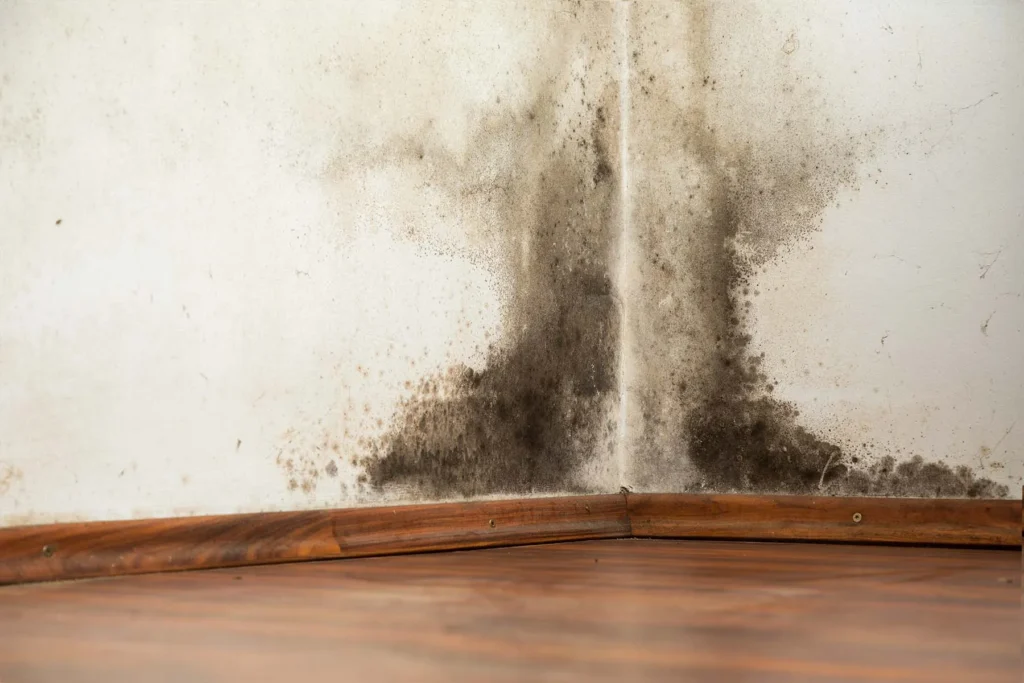
Slimy Black Mold (Stachybotrys chartarum)
Appears as dark greenish-black patches with a distinctly slimy texture. It only develops after prolonged water exposure — typically walls, ceilings, and under-sink cabinets.
This is the most serious type: if you find it covering more than 10 square feet, consult a certified mold remediation professional rather than attempting DIY removal. Black mold is often associated with potential health concerns, especially for people with allergies or respiratory issues.
Fuzzy Green or White Mold (Aspergillus)
Aspergillus appears as fuzzy green, yellow, or white colonies. It favors damp walls, insulation, and fabric surfaces like shower curtains. It spreads rapidly and can cause allergic reactions — replace heavily affected fabric items rather than trying to clean them. This mold spreads quickly and can trigger allergic reactions in sensitive individuals.
Powdery Green-Blue Mold (Penicillium)
This mold has a powdery texture and appears in shades of blue or green. It often develops on water-damaged materials such as wallpaper, carpets, or wooden surfaces. Penicillium spreads easily through the air and can contaminate other areas of the bathroom.
Pink Bacteria (Serratia marcescens)
Important: Serratia marcescens is bacteria — not mold — though it’s frequently mistaken for it. It forms pink or reddish slimy patches in shower corners, toilet bowls, and around sinks, feeding on soap and shampoo residue.
Regular weekly cleaning with a bleach solution eliminates it effectively. It thrives in moist areas like shower corners, toilet bowls, and sinks. It feeds on soap residue and can form slimy patches if not cleaned regularly.
Dark Green/Brown Mold (Alternaria)
Alternaria appears as dark green or brown spots, often with a velvety texture. It commonly grows in damp areas like showers, bathtubs, and under leaky pipes. This type of mold can spread quickly and may cause allergic reactions or irritation.
Is Bathroom Mold Dangerous?
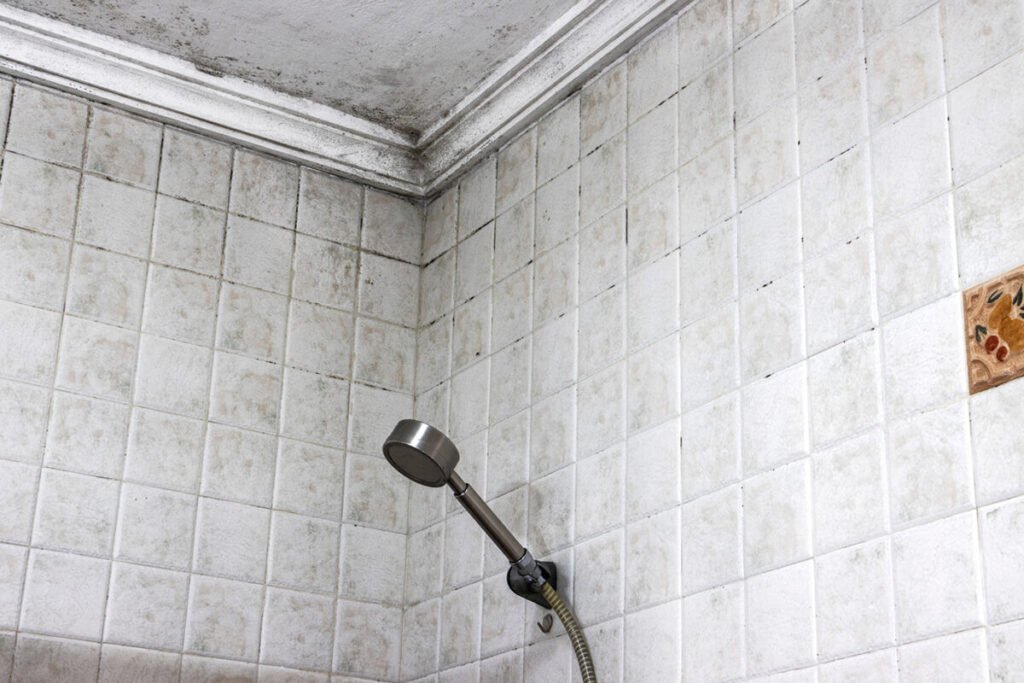
Yes — and the risk increases with prolonged exposure. Mold releases microscopic spores into the air with every shower you take. Common symptoms include sneezing, coughing, itchy eyes, throat irritation, and skin rashes.
For people with asthma, mold spore inhalation can trigger severe attacks. According to the EPA, individuals with compromised immune systems, chronic lung disease, or mold allergies face significantly higher health risks from indoor mold exposure and should not attempt to clean large mold infestations themselves.
Beyond health, mold causes serious structural damage. It degrades grout and caulking, causes paint to bubble and peel, stains tiles permanently if untreated, and can penetrate drywall — requiring expensive replacement.
A mold problem left for six months can easily cost hundreds of dollars in repairs. Prolonged exposure in a closed, poorly ventilated space increases the risk of both health issues and structural damage.
How to Get Rid of Mold in the Bathroom: Proven 5-Step Removal Process
Removing bathroom mold becomes much easier when you follow a clear and structured process. Below, we’ll walk through each step to help you clean mold effectively and prevent it from coming back.
Step 1 – Clear and Prepare the Area
Remove all toiletries, bath mats, shower curtains, and towels from the affected area. Place fabric items directly in the washing machine on a hot cycle.
Open windows and doors wide to maximize airflow — this is critical both for ventilation during cleaning and to begin reducing the humidity that caused mold in the first place. Open windows or doors to improve airflow and reduce moisture during cleaning.
Step 2 – Put On Proper Protective Equipment
Never clean mold without protection. Wear: rubber gloves (not cloth), an N95 respirator mask (surgical masks do not filter mold spores), and safety goggles.
If using bleach, ensure the exhaust fan is running or a window is fully open — bleach fumes in an enclosed bathroom can cause respiratory irritation.
Proper ventilation is essential, so keep windows open or turn on an exhaust fan to maintain fresh air circulation.
Step 3 – Choose and Apply the Right Cleaning Solution
Select the right solution based on the surface and severity (see comparison table below). For bleach, mix 1 cup (240ml) of bleach with 1 gallon (3.8L) of water — never use bleach at full strength on tiles.
Apply with a spray bottle or sponge, ensuring full coverage of the affected area. Allow to dwell for 30–60 minutes without wiping.
Step 4 – Scrub Thoroughly, Including Grout Lines
Use a stiff-bristled brush for tile surfaces and an old toothbrush specifically for grout lines and corners. Apply firm circular pressure. For silicone sealant with embedded mold, scrubbing alone is not enough — the sealant must be cut out and replaced entirely once the surface is clean and dry. Continue scrubbing until the visible mold is removed.
Step 5 – Rinse Completely and Dry Within 1 Hour
Rinse the surface thoroughly with clean water to remove all chemical residue. Then dry immediately and completely — use a microfiber cloth, squeegee, or run the exhaust fan for at least 30 minutes.
Any moisture left behind will allow mold to return within days. Keeping the area dry is key to preventing mold from growing back.
Comparison Table of Natural vs Chemical Mold Removal
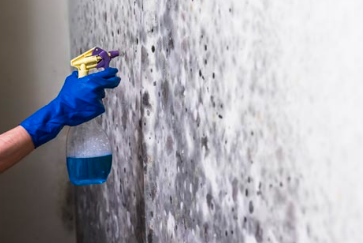
Different mold removal methods vary in effectiveness, safety, and usage. The table below compares common natural and chemical options to help you choose the right solution for your needs.
| Method | Effectiveness | Safety | Best For |
| Bleach | High | Medium | Tough mold |
| Vinegar | Medium | High | Light mold |
| Baking Soda | Low | Very High | Maintenance |
| Peroxide | High | Medium | Deep cleaning |
What Kills Mold Most Effectively? (Instant vs. Deep Action)
For immediate visible results on non-porous surfaces (tiles, glass, chrome), undiluted white vinegar or a 1:10 bleach solution are the fastest-acting options available at home.
Commercial products such as RMR-86 are designed for stain removal and can show results in under a minute, but require careful handling and strong ventilation. These products work by breaking down mold spores on contact, making them ideal for fast and visible results.
Bleach is especially powerful for tough mold on non-porous surfaces, while hydrogen peroxide penetrates deeper to kill hidden spores. Commercial products like RMR-86 are designed for quick action and convenience, often requiring little to no scrubbing.
For porous surfaces — grout, caulking, or drywall — no solution ‘kills mold instantly’ because spores penetrate deep into the material. These surfaces require extended dwell time (up to 60 minutes), multiple treatment rounds, or professional remediation for severe cases.
Can Mold Come Back After Cleaning? How to Break the Cycle
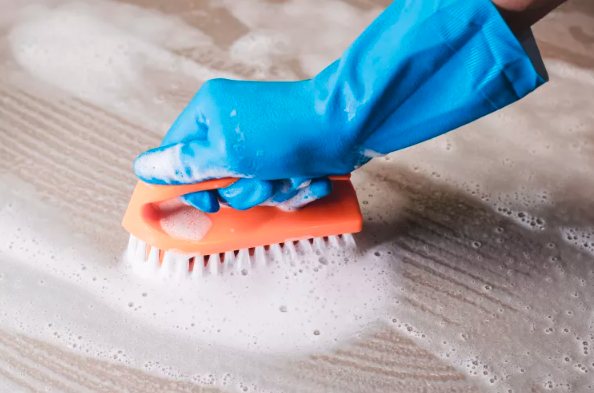
Yes — and it will return quickly if you only clean the surface without addressing what caused it. Mold spores are always present in the air; they only need moisture and a surface to colonize again.
While cleaning removes visible mold, it doesn’t eliminate the conditions that allow it to grow in the first place. If humidity remains high or surfaces stay damp, mold spores can quickly return and spread again.
According to the CDC, mold can begin regrowing on a cleaned, damp surface within 24–48 hours under ideal conditions. The most common reasons mold returns: inadequate bathroom ventilation, unfixed plumbing leaks, failure to dry surfaces after showering, and grout or caulk that has absorbed mold spores too deeply to be removed by surface cleaning.
How to Prevent Mold in the Bathroom From Coming Back?
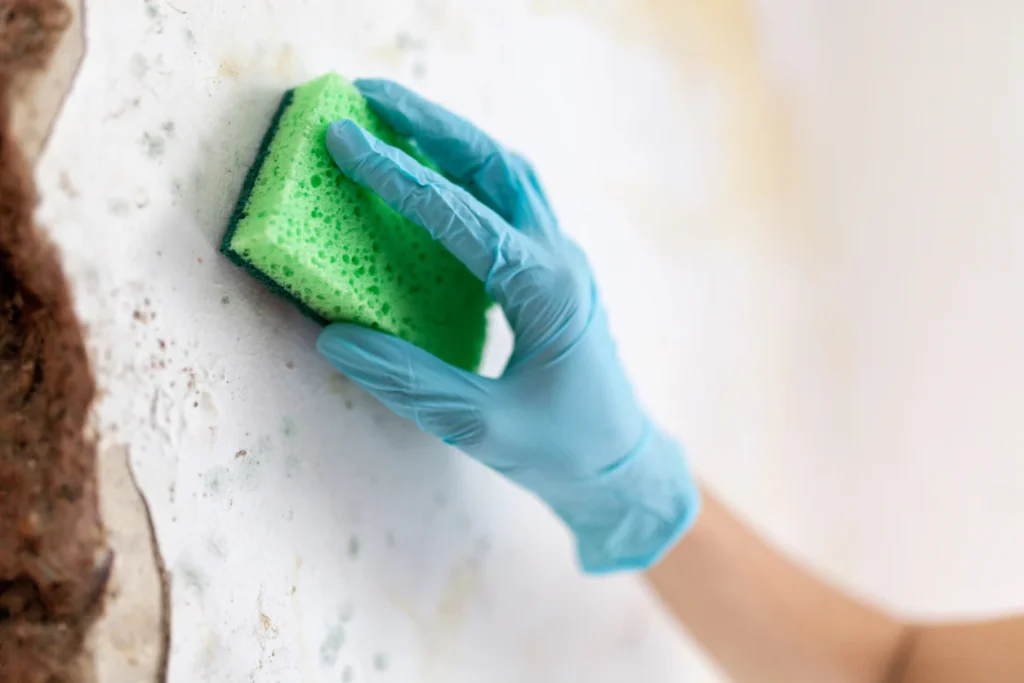
Cleaning mold is a temporary fix if you don’t address the root cause. Implement these prevention habits consistently:
- Run your exhaust fan for at least 20–30 minutes after every shower — not just during.
- Squeegee tile walls and the shower floor dry after each use.
- Leave the bathroom door open after showering to allow air circulation.
- Apply a mold-resistant grout sealer every 6–12 months.
- Fix any plumbing leaks immediately — even slow drips create ideal mold conditions.
- Wash shower curtains and bath mats weekly at 60°C (140°F) or higher.
If mold returns within weeks of cleaning despite these steps, the issue is likely structural — check for hidden pipe leaks or inadequate exhaust fan capacity (your fan should move at least 1 CFM per square foot of bathroom area).
When Should You Call a Professional Mold Remediation Service?
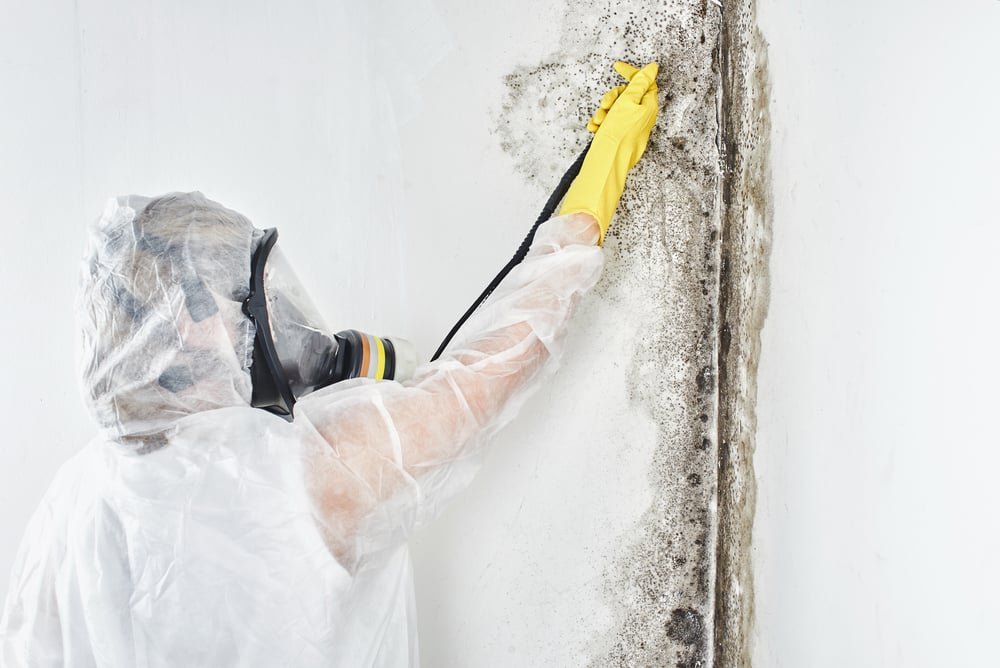
DIY mold removal is appropriate for surface mold covering less than 10 square feet. You should contact a certified mold remediation professional if:
- Mold covers a large area (10+ sq ft) or has spread to multiple walls.
- You suspect mold is growing inside walls or under flooring.
- Mold keeps returning despite proper cleaning and prevention.
- Anyone in the household has severe asthma, allergies, or a compromised immune system.
Conclusion:
Bathroom mold is a manageable problem when you combine the right cleaning method with consistent prevention. The 5-step removal process in this guide — using properly diluted bleach, hydrogen peroxide, or vinegar with adequate dwell time — eliminates visible mold effectively.
But the real victory is prevention: daily surface drying, proper exhaust ventilation, and monthly maintenance cleaning will stop mold from ever establishing itself again. If mold returns repeatedly despite your best efforts, that is the signal to investigate structural moisture issues or call a certified remediation professional.
Frequently Asked Questions
Is bleach better than vinegar for mold removal?
Bleach is stronger and works faster on tough mold, while vinegar is safer and better for light mold and regular cleaning.
How often should I clean my bathroom to prevent mold?
You should clean your bathroom at least once a week and wipe down wet surfaces daily to prevent mold buildup.
Can I paint over mold in the bathroom?
No, painting over mold only hides it temporarily. The mold will continue to grow underneath the paint.
Should I use hot or cold water to clean mold?
Warm water is better because it helps loosen dirt and improves the effectiveness of cleaning solutions.
Is it safe to stay in a house with bathroom mold?
For small surface mold patches, short-term exposure is generally low risk for healthy adults. However, prolonged exposure — especially in bathrooms used multiple times daily — can cause cumulative respiratory irritation. Remove mold promptly and ensure ventilation.
Can I use a dehumidifier to prevent bathroom mold?
A dehumidifier that maintains bathroom humidity below 50% is one of the most effective passive prevention tools, especially in bathrooms without adequate window ventilation.
Related Articles
Joist Tape for Decking: The Complete Guide to Protecting Your Deck’s Substructure
How Much Does a Plumber Cost? 2026 Complete Pricing Guide
486 Gelney Kitchen Exhaust Hood System: How It Works and Why It Matters
How to Measure Room for Furniture: Step-by-Step Guide for Perfect Fit