

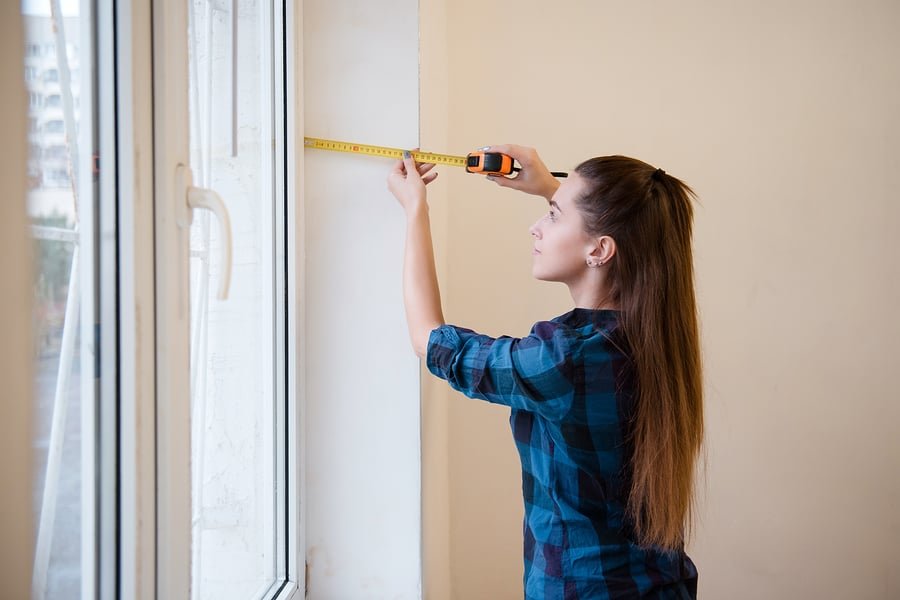

Buying furniture without measuring your room first is one of the most common — and costly — home décor mistakes. A sofa that can’t fit through the front door, a wardrobe that grazes the ceiling, or a dining table that leaves no room to pull out chairs: all of these are avoidable.
In this guide, you’ll find a clear, step-by-step process to measure your room accurately so every piece you buy fits the first time.
Why Measuring a Room for Furniture Is Important?
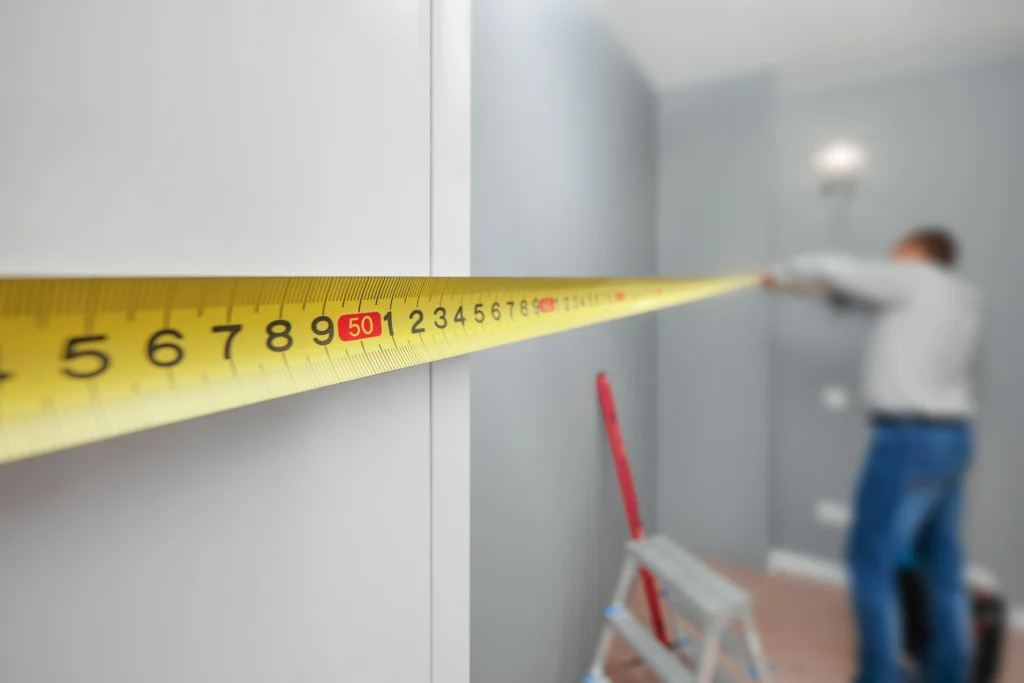
Getting measurements right before you buy solves three problems at once: it confirms furniture will physically clear every doorway and hallway on the delivery path, ensures the scale of each piece suits the room, and protects the traffic flow that makes a space feel live able rather than cramped.
Without accurate measurements, you risk buying items that are too large to enter the room or too small to suit the space, which can disrupt the overall look.
Proper measuring also helps maintain enough walking space, preventing the room from feeling crowded or uncomfortable. It allows you to plan a balanced layout where furniture placement looks visually appealing and works practically for everyday use.
Tools You Need to Measure a Room
Having the right tools makes measuring your room easier, faster, and more accurate. It helps you avoid guesswork and ensures your furniture fits perfectly in the available space. Here are few tools you’ll need to measure your room properly:
Tape Measure (Essential)
A 25-foot (7.5 m) retractable steel tape measure is the essential starting point. Use it for wall lengths, furniture dimensions, and tight spaces like doorframes. For rooms larger than 15 feet, consider a 35-foot tape to avoid awkward repositioning.
Notebook & Pencil
Use a notebook and pencil to sketch your room layout and write down all measurements clearly for reference.
Smartphone (Photos)
Taking photos of your room helps you remember details like door positions, windows, and layout when shopping for furniture.
Painter’s Tape (For Layout)
Painter’s tape can be used on the floor to outline furniture dimensions, giving you a visual idea of how items will fit.
Optional: Laser Measure
A laser measure (such as a Bosch GLM 20 or similar) can measure up to 65 feet with ±1/16 inch accuracy — ideal for large living rooms, open-plan spaces, or when you’re measuring alone. For tight corners and diagonal clearance checks, a tape measure is still more reliable.
Step-by-Step Guide to Measure Room for Furniture
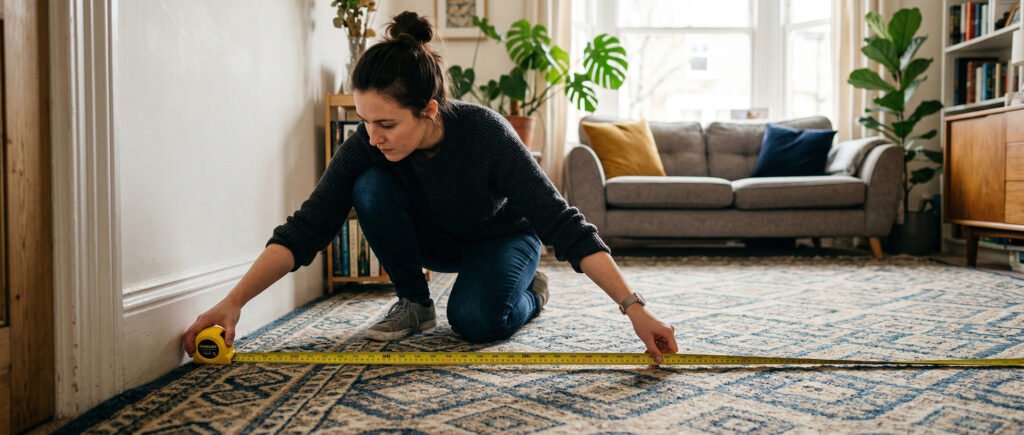
Measuring your room step by step helps you avoid mistakes and ensures every piece of furniture fits perfectly. By following a clear process, you can plan your space more efficiently, improve functionality, and create a well-balanced layout.
Measure the Delivery Path First
Before measuring the room itself, map the entire delivery path: front door, hallway, any staircase, elevator, and the room’s doorway. Measure width, height, and — crucially — the diagonal clearance of each doorway, since tall furniture like wardrobes must be tilted to pass through.
A standard interior door is 80″ (203 cm) tall and 32″–36″ (81–91 cm) wide; confirm yours isn’t narrower. Note the width, height, and any tight turns that could create difficulty during delivery. This step prevents the common issue of furniture not fitting through the entrance.
Measure Room Length and Width
Measure wall to wall at floor level, recording the full length and width. Then measure again at mid-height — walls in older homes often bow slightly, creating a difference of 1–2 inches. Always use the smaller of the two readings when planning furniture placement, so you’re working with the tightest actual constraint. These dimensions form the foundation for planning your furniture layout.
Measure Ceiling Height
Measure floor-to-ceiling at the exact spot where the tall furniture will stand — not just in the centre of the room. Ceiling heights vary near walls (especially in rooms with cornices, sloped roofs, or recessed lighting).
A standard ceiling is 8 feet (244 cm); anything under 7.5 feet (229 cm) will make a full-height wardrobe feel oppressive. This ensures your furniture won’t feel cramped or too large for the room. It also helps when considering lighting fixtures or wall décor.
Measure Doors, Windows, and Obstacles
Record the width, height, and distance-from-corner of every door, window, radiator, socket, and light switch. Mark whether windows open inward — furniture placed in their swing path will block ventilation. Note the height of windowsills too: a sofa placed below a low sill must be shorter than the sill to preserve natural light. This helps maintain natural light, ventilation, and accessibility.
Measure Furniture Dimensions
Check the exact dimensions of the furniture you plan to buy, including width, depth, and height. Compare these with your room measurements to ensure a proper fit. Always leave a little extra space for comfort and movement.
Plan Furniture Layout
Sketch a basic layout of your room and place furniture according to your measurements. This helps you visualize how everything will look and function together. A planned layout reduces trial and error during setup.
Leave Proper Space Between Furniture
Ensure there is enough space between furniture pieces for easy movement and comfort. Walkways should remain clear to avoid a cramped feeling. Proper spacing improves both functionality and overall room aesthetics.
Standard Spacing Guidelines for Furniture Placement
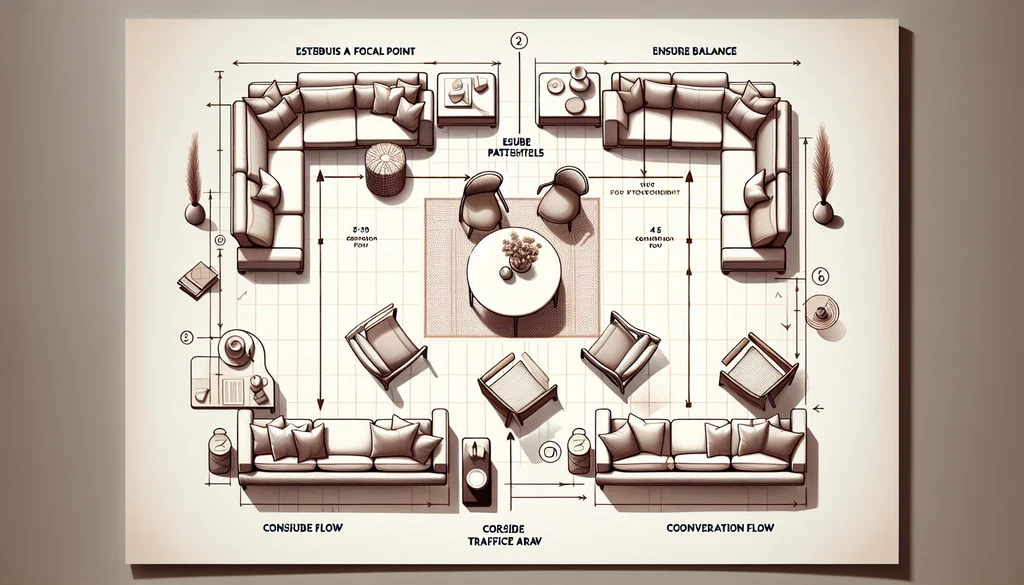
Maintaining the right spacing between furniture is essential for both comfort and functionality. Use these clearances as your baseline when planning any room layout: Main walkways — 36″ (91 cm) minimum, 42″ (107 cm) preferred. Sofa-to-coffee table — 14″–18″ (36–46 cm).
Around a dining table with chairs pulled out — 36″ (91 cm) minimum. Either side of a bed — 24″ (61 cm) minimum for comfortable movement; 18″ (46 cm) is the bare minimum on the non-primary side. This space ensures smooth flow, especially in frequently used areas like living rooms and hallways.
For seating areas, keep 14–18 inches between sofas or chairs and a coffee table. This distance is ideal because it allows easy reach for placing items while still providing enough legroom for comfort. If furniture is placed too close, the space can feel cramped, while too much distance can make it inconvenient to use.
Following these spacing guidelines helps create a balanced layout where your room feels open, practical, and visually appealing. It also improves everyday usability by ensuring that movement, seating, and interaction within the space remain comfortable and efficient.
How to Measure Different Room Types
Different rooms have different purposes, so measuring them correctly requires a slightly different approach. Understanding how each space is used helps you take the right measurements and choose furniture that fits both functionally and visually.
Living Room
Measure the full length and width, then identify your focal wall (usually the TV wall or fireplace). Calculate the ideal TV viewing distance: multiply your planned screen size (in inches) by 1.5–2.5 to get the recommended sofa distance in inches.
For a 55″ TV, that’s 82″–137″ (approx. 7–11 feet). Measure that distance from the wall and mark it with painter’s tape before buying a sofa. Focus on seating arrangement space and ensure there’s enough room for walkways and a central table. Also consider the viewing distance between the sofa and TV for better comfort.
Bedroom
Measure the room and sketch the wall with the most clearance for the bed — ideally against a solid wall with no windows or doorways directly above. Standard bed sizes: Twin 38″×75″, Full 54″×75″, Queen 60″×80″, King 76″×80″.
Leave at least 24″ on both sides of the bed, and 36″ at the foot for wardrobe access. Leave enough space around the bed for walking, side tables, and wardrobes. Don’t forget to measure closet areas and door clearance to avoid blocking access.
Dining Room
The golden rule for dining rooms: the table footprint plus 36″ (91 cm) on all sides equals the minimum room size needed. For example, a 36″×72″ table needs a room at least 9×12 feet.
Always measure with chairs pulled out (typically an extra 18–20″) — this is the most commonly underestimated dimension in dining room planning. Ensure there is enough clearance around the table for comfortable movement. Also consider proximity to walls or other furniture to maintain a spacious feel.
Common Mistakes to Avoid When Measuring
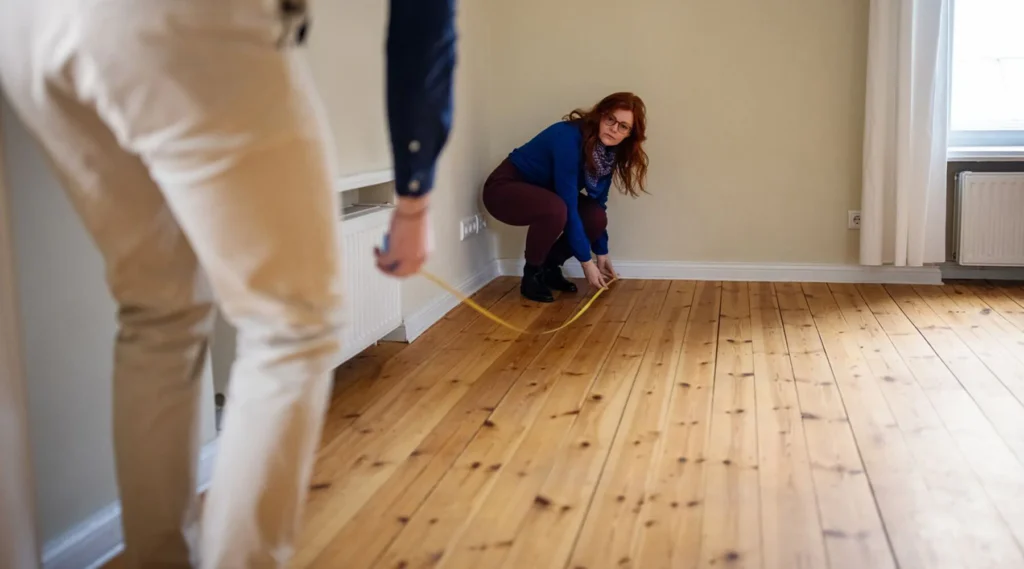
Avoiding common measuring mistakes can save you from costly furniture errors and frustrating adjustments later. Even small oversights can lead to poor fit, blocked spaces, or delivery issues, so it’s important to be precise and thorough.
Ignoring Delivery Path
Many people focus only on room size and forget to measure entryways, hallways, or stairs. This can result in furniture that fits the room but can’t be brought inside. Always check the full delivery path before purchasing.
Not Measuring Height
Height is often overlooked, especially for tall furniture like wardrobes or shelves. Without checking ceiling height, items may feel cramped or may not fit at all. Always measure vertical space along with floor dimensions.
Forgetting Spacing
Placing furniture too close together can make a room feel crowded and uncomfortable. Proper spacing is necessary for movement and usability. Always plan gaps between furniture for a balanced layout.
Guessing Instead of Measuring
Estimating measurements instead of using proper tools often leads to inaccurate results. Even small miscalculations can cause big problems with furniture placement. Always rely on actual measurements rather than guesswork.
Not Checking Doorways
Door widths and heights are crucial when bringing furniture into a room. Skipping this step can lead to delivery failures or damaged items. Measure all doorways to ensure smooth entry.
Pro Tips for Accurate Room Measurement
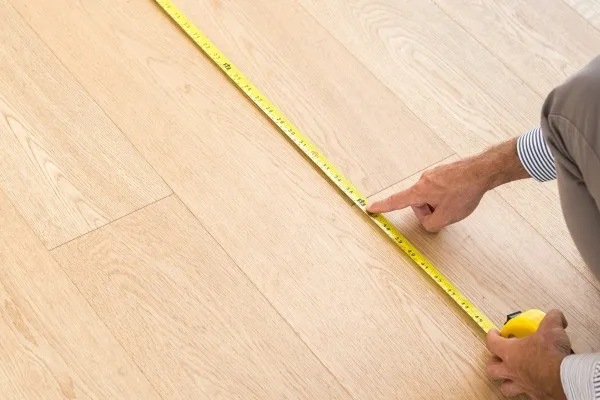
Accurate measurements are the key to a well-planned and functional space. By following a few simple but effective tips, you can avoid errors and make smarter furniture decisions.
Measure Twice
After your first measurement pass, repeat the entire process from a different starting point on each wall. Discrepancies of more than ¼ inch in the same measurement usually mean your tape shifted; re-measure until both readings agree.
Use Smallest Value
When measuring spaces like doorways or narrow areas, always consider the smallest width or height. This ensures your furniture will pass through easily without issues. It’s better to plan for the tightest spot.
Add Extra Clearance
Leave a little extra space around furniture for comfort and flexibility. This helps with movement and prevents the room from feeling cramped. Extra clearance also makes rearranging easier in the future.
Take Photos for Reference
Capture photos of your room, including doors, windows, and layout details. These visuals help you remember the space when shopping or planning. It also reduces the chances of missing important elements.
Keep Measurements Saved on Phone
Take a photo of your hand-sketched floor plan and screenshot it alongside a notes file showing: room dimensions, ceiling height, doorway dimensions, key obstacle positions, and your spacing calculations. Share it with anyone helping you shop. Having them handy saves time and prevents guesswork.
Quick Room Measurement Checklist
Before finalizing your furniture purchase, it’s important to quickly review all your measurements to ensure nothing has been missed. A simple checklist helps you stay organized and confident that everything will fit perfectly in your space.
- Room length & width ✔ – Measure wall-to-wall dimensions for accurate layout planning
- Ceiling height ✔ – Ensure tall furniture fits comfortably without crowding
- Doors & windows ✔ – Note positions and sizes to avoid blocking access or light
- Hallways & delivery path ✔ – Check all entry points for smooth furniture delivery
- Furniture dimensions ✔ – Compare item sizes with your room measurements
- Spacing ✔ – Leave enough room for movement and a balanced layout
Conclusion
Accurate room measurement is the single step that separates a furniture purchase you’ll enjoy for years from one you’ll regret within the first week of delivery. By following the process in this guide — starting with the delivery path, recording precise dimensions at multiple heights, and planning clearances before you buy — you give every piece of furniture the best chance of working in your space. By following the right steps—from measuring the delivery path to leaving proper spacing—you can avoid common mistakes and ensure everything fits perfectly.
Taking the time to plan before buying furniture helps you make smarter decisions and prevents costly returns or adjustments. Accurate measurements not only improve functionality but also create a balanced, comfortable, and visually appealing space that truly works for your needs.
Frequently Asked Questions
Should I measure walls or floor space?
Measure floor space when planning for furniture, rugs, or layout placement, as it shows how much usable area you have. For tasks like painting, wallpapering, or installing cabinets, measure wall surfaces by calculating height × width. This ensures accuracy based on the specific purpose.
How do I measure doorways for furniture delivery?
Measure the height and width of every doorway, along with diagonal clearance if needed.Also include hallways, staircases, and tight corners to ensure furniture can pass through easily. This step helps avoid delivery issues or damage.
How do I measure ceiling height for tall furniture?
Measure from the floor to the ceiling at the exact spot where the furniture will be placed. This ensures tall items like wardrobes or shelves fit comfortably. It also helps you avoid a cramped or uneven look.
Is a laser measure better than a tape measure?
Laser measures are better for speed, long-distance accuracy, and solo use, especially in large rooms. However, a tape measure is still reliable and useful for smaller spaces or detailed measurements. Using both can give the best results.
How do I calculate square footage of a room?
To calculate square footage, measure the room’s length and width, then multiply them (length × width). This gives you the total area in square feet. It’s especially useful for planning layouts, flooring, or estimating space usage.
Related articles
How to Clean Shower Tiles: Step-by-Step Guide for a Spotless Bathroom
24 Inch Kitchen Sink Drop In Complete Guide: Types, Benefits, Installation
Joist Tape for Decking: The Complete Guide to Protecting Your Deck’s Substructure
How to Clean and Store Kitchen Tools: The Complete Guide
Roof Repairs Worcester: Your Complete Local Guide to a Safe and Lasting Roof