


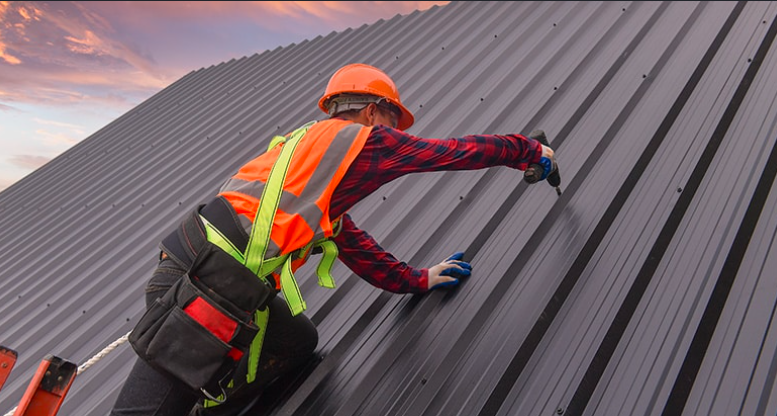

Yes — you can paint metal roofing. Metal roofing is one of the most durable and long-lasting roofing options available, but over time, even the toughest metal roofs can fade, rust, or lose their protective coating.
The good news is that painting a metal roof is not only possible but also a cost-effective way to restore its appearance and extend its lifespan by years.
In this guide, we’ll cover metal roof types and how they affect paint choice, how to properly prepare a metal roof for painting, and everything else you need to know to get the job done right.
4 Real Benefits of Painting a Metal Roof
Painting a metal roof is more than just a cosmetic upgrade — here are four real benefits that make it a smart, practical investment.
- Extending the Roof’s Lifespan Paint acts as a protective barrier against moisture, rust, and corrosion, sealing the surface and preventing slow deterioration that leads to costly repairs or early replacement.
- Reduces Energy Bills Reflective cool-roof paints bounce sunlight away from your home, keeping interiors cooler in summer and noticeably lowering your energy costs.
- Prevents Rust and Corrosion Bare or aging metal is vulnerable to rust, especially in rainy or humid climates — paint paired with the right primer creates a sealed layer that keeps moisture out before it becomes a structural problem.
- Saves Money Compared to Replacement A full metal roof replacement can cost thousands of dollars, but painting your existing roof is a fraction of that cost and can add another 10 to 15 years of life when done correctly.
When NOT to Paint a Metal Roof — And What to Do Instead
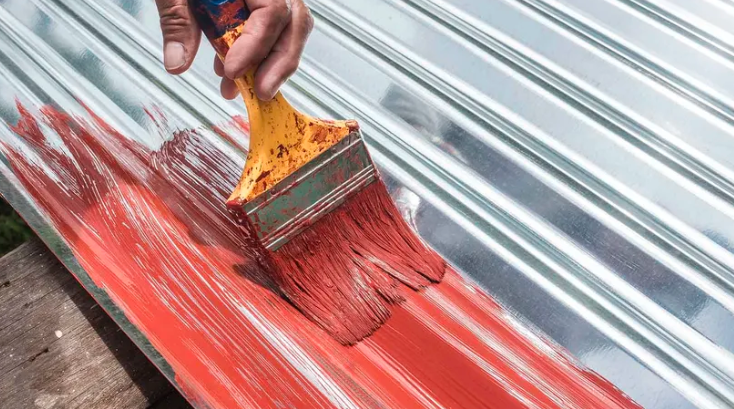
Sometimes painting is not the right solution — here are the situations where paint will do more harm than good, and what you should do instead.
When the Roof Has Severe Rust or Corrosion
If rust has eaten through the metal panels and caused holes or structural weakness, paint will not fix the underlying damage — it will simply cover it temporarily. What to do instead: Replace the affected panels or sections before considering any paint job.
When There Are Active Leaks
Painting over a roof that is actively leaking will trap moisture underneath the paint layer, causing it to bubble, peel, and fail within months. What to do instead: Identify and fully repair all leaks and seal any gaps or joints before applying any paint or primer.
When the Existing Paint Is Heavily Peeling
If the current paint is flaking off in large sections, applying a new coat on top will not bond properly and will peel just as quickly. What to do instead: Strip the old paint completely, sand the surface down, and start fresh with a proper primer.
When the Roof Is Near the End of Its Life
If your metal roof is already warped, severely dented, or structurally compromised, painting it is simply delaying the inevitable. What to do instead: Invest in a full roof replacement — it will be far more cost-effective in the long run than repeatedly painting a failing roof.
When Temperatures Are Too Extreme
Paint applied in freezing cold or intense heat will not cure properly, leading to cracking, poor adhesion, and early failure. What to do instead: Wait for mild, dry weather — ideally between 50°F and 90°F (10°C to 32°C) — with low humidity before starting your paint project.
Metal Roof Types and How They Affect Paint Choice
Not all metal roofs are the same — your roof’s material directly determines which primer and paint will bond properly and last.
- Galvanized Steel: The most common metal roofing type, coated with zinc to resist rust. Use a rust-inhibiting primer made for galvanized metal, followed by an acrylic or alkyd topcoat.
- Galvalume Steel: A zinc and aluminum blend that is more corrosion-resistant but harder to paint. Use a water-based acrylic primer — avoid oil-based paints as they react poorly with the aluminum content.
- Aluminum Roofing: Lightweight and rust-resistant but expands and contracts significantly with heat. A self-etching primer is essential, followed by a flexible 100% acrylic paint that moves without cracking.
- Copper Roofing: A premium material that develops a natural green patina — painting is rarely recommended. If necessary, use an etching primer for non-ferrous metals, but preserving the natural finish is almost always the better choice.
- Zinc Roofing: Highly durable and self-healing — most homeowners leave the natural patina untouched. If painting is needed, use a zinc-compatible primer and a flexible acrylic topcoat.
- Steel Standing Seam: Features raised interlocking seams that require flexible paint. Use a high-adhesion acrylic primer followed by an elastomeric topcoat that won’t crack at the seams.
Best Paint for Metal Roofs
Choosing the right paint is just as important as prep work — here are the best options based on performance, durability, and metal compatibility.
Acrylic Latex Paint
The most popular choice for metal roofs — water-based, flexible, and highly resistant to UV rays, fading, and cracking. It expands and contracts with the metal through temperature changes without peeling, making it ideal for most metal roof types.
Elastomeric Paint
A thick, rubber-like coating that stretches and seals — excellent for older roofs with minor cracks or surface imperfections. It provides a waterproof barrier and is one of the longest-lasting options available for metal roofing.
Oil-Based Alkyd Paint
A traditional option that bonds well to bare or lightly rusted metal surfaces. It dries to a hard, durable finish but is less flexible than acrylic — best used on stable surfaces that do not expand and contract heavily.
Reflective or Cool-Roof Paint
Specially formulated with reflective pigments to bounce sunlight away from the roof. Ideal for hot climates, it can significantly reduce indoor temperatures and lower energy bills — often rated by the Cool Roof Rating Council (CRRC).
Rust-Inhibiting Paint
Designed specifically to stop rust in its tracks — contains rust-blocking compounds that bond directly to metal. Best used as a primer coat or on roofs showing early signs of rust and corrosion before applying a topcoat.
How to Prepare a Metal Roof for Painting?
Preparation is the most important part of any metal roof paint job — skip it and even the best paint will fail within months. Follow these 5 steps for a surface that holds paint properly and lasts for years.
- Inspect the Roof Thoroughly: Before anything else, walk the entire roof and look for rust spots, loose screws, damaged panels, cracks, or active leaks. Fix all structural issues first — paint should never be applied over a roof that has unresolved damage or moisture problems.
- Clean the Surface Completely: Remove all dirt, debris, mold, mildew, and chalky residue using a pressure washer or a stiff brush with a metal roof cleaning solution. A clean surface is absolutely essential — any dirt or grease left behind will prevent the paint from bonding properly.
- Remove Rust and Old Peeling Paint: Use a wire brush, sandpaper, or a grinder to scrub away any rust spots and flaking old paint. For heavy rust, a chemical rust remover can be applied to neutralize the corrosion before sanding. Never paint over rust — it will spread underneath and destroy the new coat.
- Apply a Quality Primer: Once the surface is clean and dry, apply a primer suited to your specific metal type — rust-inhibiting primer for steel, self-etching primer for aluminum, and so on. Primer is what actually locks the paint to the metal, so never skip this step.
- Let It Dry Completely Before Painting: Allow the primer to cure fully according to the manufacturer’s instructions — rushing this step is one of the most common mistakes. Paint applied over wet or partially cured primer will bubble, peel, and fail early. Wait for a dry, mild weather day before applying your topcoat.
How to Paint a Metal Roof: Sprayer vs. Roller vs. Brush
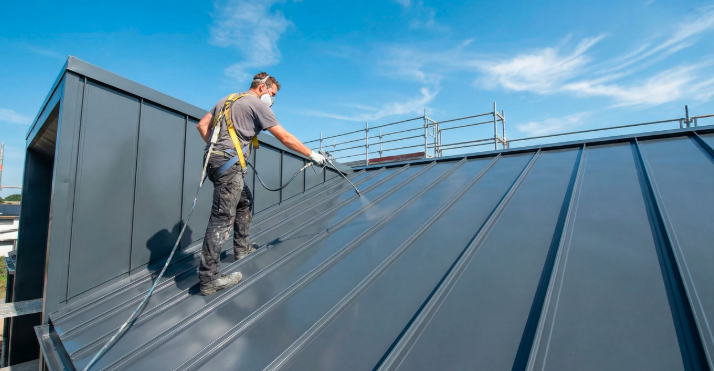
Each application method has its strengths — the right choice depends on your roof size, budget, and how much detail work is involved.
Paint Sprayer
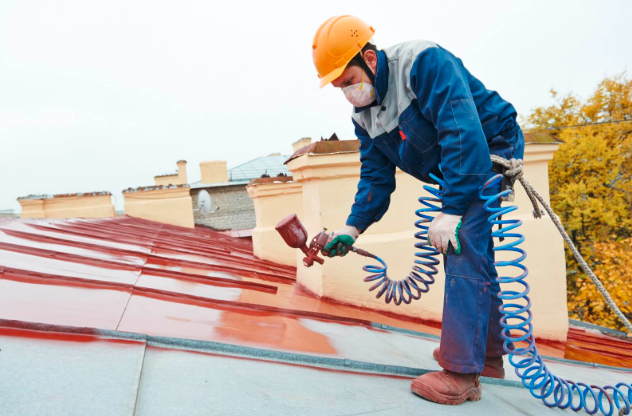
The fastest and most efficient method for large metal roofs, a sprayer delivers a smooth, even coat across flat panels in a fraction of the time. However, it requires proper masking of surrounding areas to avoid overspray and takes some skill to use evenly without streaks or thin spots. Best for: Large roofs, standing seam panels, and professional-level results.
Paint Roller
A roller is the most practical choice for most DIY homeowners — it applies paint quickly, gives good coverage, and is easy to control on flat roof panels. Use a thick-nap roller for textured or ribbed metal surfaces to ensure paint gets into every groove. Best for: Mid-sized roofs, flat or corrugated panels, and first-time painters.
Paint Brush
A brush is too slow for painting an entire roof but is absolutely essential for detail work — cutting in around edges, seams, screws, vents, and flashing. Always use a brush for these areas regardless of which main method you choose. Best for: Touch-ups, edges, seams, and hard-to-reach areas.
4 Pro Tips for a Paint Job That Lasts 10–15 Years
Follow these four tips and your metal roof paint job will outlast anything a rushed or uninformed approach could deliver.
- Never Skip the Primer Primer is the foundation that locks paint to metal — skip it and even the most expensive topcoat will start peeling within the first season.
- Apply Two Thin Coats Instead of One Thick Coat Two thin coats bond better, cure more evenly, and flex with the metal — one thick coat traps air, dries unevenly, and cracks early.
- Always Paint in the Right Conditions Paint only when temperatures are between 50°F and 90°F with low humidity — extreme heat, cold, or moisture will prevent proper curing no matter what product you use.
- Recoat Every 10 Years Before It Fails Don’t wait for visible peeling — apply a fresh maintenance coat every 10 years while the existing coat is still intact for the best adhesion and longest protection.
Metal Roof Maintenance Schedule After Painting
Painting your metal roof is just the beginning — regular maintenance is what keeps it protected and looking great for the long haul.
Every 3 Months
Clear debris, leaves, and dirt from the roof surface and gutters. Trapped moisture under debris is one of the fastest ways to break down paint and encourage rust.
Every 6 Months
Do a visual inspection of the entire roof — check for any early signs of fading, chalking, rust spots, or paint lifting around seams, screws, and edges. Catching small issues early prevents costly repairs later.
Every Year
Give the roof a thorough wash with a mild cleaning solution and a soft brush or low-pressure washer. Also check and re-tighten any loose screws and reseal any flashing or joints that show signs of wear.
Every 3–5 Years
Apply a fresh coat of sealant or touch-up paint to high-wear areas like seams, edges, and screw heads where the coating tends to thin out first. This targeted maintenance extends the life of the full paint job significantly.
Paint vs. Replace: How to Make the Right Call?
Not sure whether to paint your metal roof or replace it entirely? Here is a simple breakdown to help you make the right decision based on your roof’s actual condition.
Choose Paint If:
- Your roof is structurally sound with no holes or major damage
- Rust is surface-level and has not eaten through the metal
- The existing paint is fading or chalking but not heavily peeling
- Your roof has 10 or more years of life remaining
- You want to save money and extend your roof’s lifespan cost-effectively
Choose Replacement If:
- Rust has eaten through panels and caused structural weakness
- There are active leaks that repairs cannot fully resolve
- The roof is warped, severely dented, or past its service life
- Paint has failed multiple times and keeps peeling regardless of prep
- Repair and painting costs are approaching the price of replacement
Frequently Asked Questions
How long does it take to paint a metal roof?
For an average-sized home, a full metal roof paint job typically takes 2 to 4 days — one day for cleaning and prep, one day for priming, and one to two days for applying the topcoat. Larger roofs or roofs with heavy rust and old paint removal can take longer.
Can I paint a metal roof myself or do I need a professional?
A DIY paint job is absolutely possible for a homeowner who is comfortable working at heights and willing to follow the prep steps carefully. However, for large roofs, steep pitches, or roofs with significant rust and damage, hiring a professional is the safer and more reliable option.
How much does it cost to paint a metal roof professionally?
Professional metal roof painting typically costs between $1,500 and $3,000 for an average home depending on roof size, condition, location, and the products used. DIY painting can bring that cost down to $300 to $700 in materials alone.
Does painting a metal roof affect its warranty?
In some cases yes — certain metal roof manufacturers specify approved coatings in their warranty terms. Always check your existing roof warranty before painting and use manufacturer-approved products where required to avoid voiding coverage.
Can you paint a metal roof in winter?
Painting in winter is generally not recommended. Cold temperatures below 50°F prevent paint from curing properly, leading to poor adhesion and early failure. Always wait for mild, dry conditions before starting any metal roof paint project.
How many coats of paint does a metal roof need?
A metal roof typically needs one coat of primer and two coats of topcoat for full protection and a long-lasting finish. Applying only one topcoat leaves the surface vulnerable to UV damage, moisture, and early wear.
Will painting a metal roof make it cooler?
Yes — choosing a light-colored or reflective cool-roof paint can significantly reduce heat absorption and lower attic and indoor temperatures by up to 20 to 30 percent in hot climates, directly reducing air conditioning costs during summer months.
Conclusion
Painting a metal roof is one of the smartest and most cost-effective ways to protect your home, extend your roof’s lifespan, and improve energy efficiency without the expense of a full replacement.
The key to a long-lasting result comes down to choosing the right paint for your metal type, following a proper preparation process, and keeping up with regular maintenance.
Do it right and your metal roof will stay protected, look great, and save you money for the next 10 to 15 years.
Related Articles
How Do You Wash Walls Before Painting? (Step-by-Step Guide)
How to Clean and Store Kitchen Tools: The Complete Guide
How Much Does a Plumber Cost? 2026 Complete Pricing Guide
How to Clean and Store Kitchen Tools: The Complete Guide
18 Inch Deep Base Cabinets: A Smart Storage Solution for Every Kitchen