


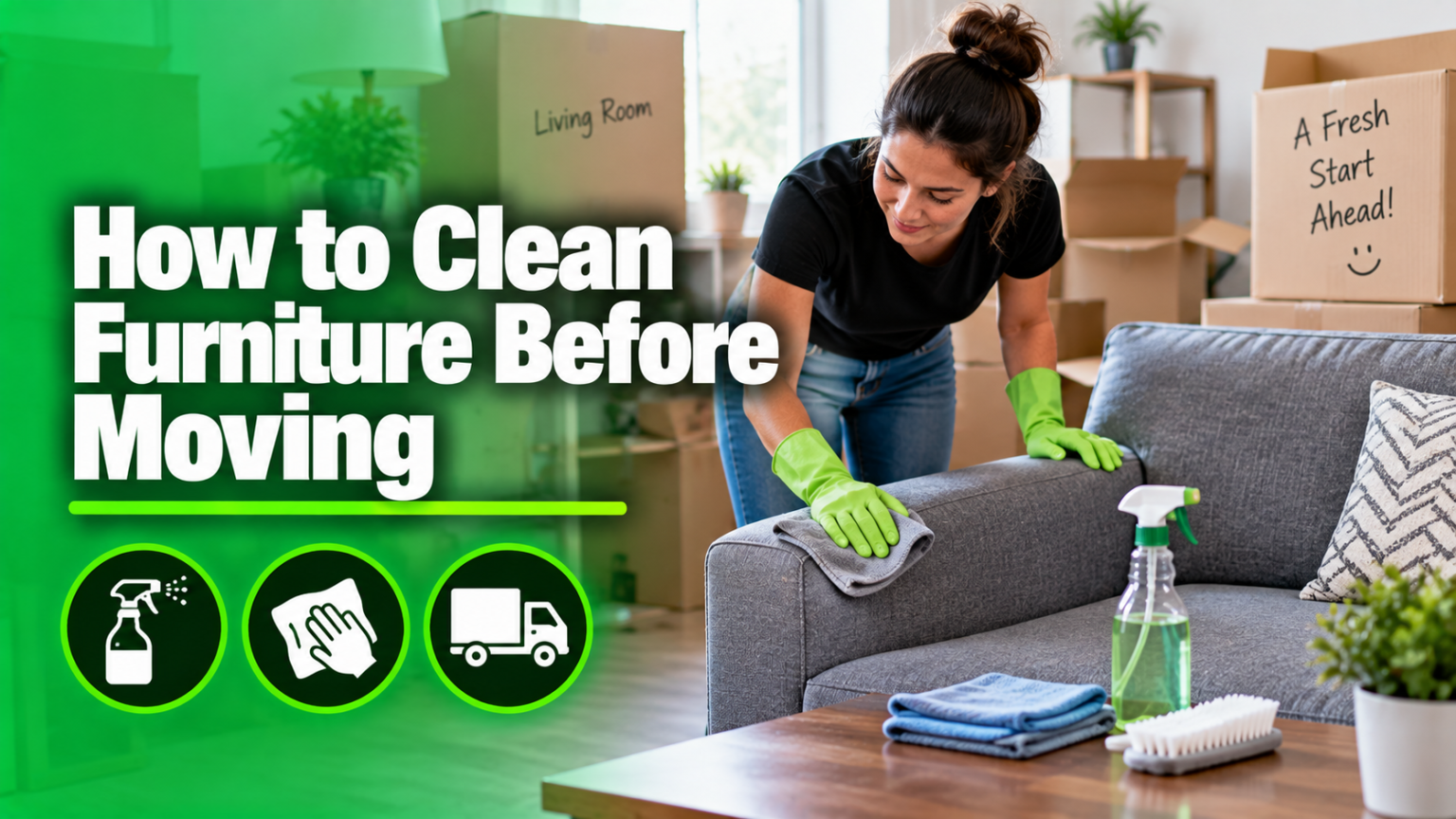

Moving to a new home is exciting, but it also comes with a long list of tasks that need attention before the big day arrives. One task that often gets pushed to the bottom of the list is furniture cleaning. Many people focus on packing boxes and forget that their sofas, tables, and cabinets also need proper care before they travel to a new address.
Learning how to clean furniture before moving is one of the smartest things you can do to make your move smoother. Clean furniture is easier to pack, safer to transport, and much nicer to unpack in your new home. It also helps you avoid carrying dust, stains, or hidden pests into a fresh space. In this guide, we will walk through every step of the process in a simple, easy-to-follow way, so you can get your furniture moving-ready without stress.
Why You Should Clean Furniture Before Moving
Before jumping into the actual cleaning steps, it helps to understand why this task matters so much. Skipping it might seem like a time-saver, but it can actually create more problems later.
Prevents Dirt, Dust, and Allergens from Traveling
Furniture collects dust, pet hair, and allergens over time, especially in corners and under cushions. If you move this dirt along with your furniture, you are simply transferring the problem to your new home. A good cleaning session removes built-up dust and keeps your indoor air quality better right from day one.
Avoids Mold, Mildew, and Bad Odors
Furniture that has absorbed moisture, spills, or odors can develop mold or mildew if it sits inside a moving truck for hours or days. This is especially true for upholstered pieces and wooden furniture kept in humid rooms. Cleaning and drying furniture properly before the move reduces this risk significantly.
Keeps Pests Away from Your New Home
Old furniture, especially items that have been in storage or in a house for years, can sometimes hide small pests like dust mites, bed bugs, or even tiny insects in cracks and joints. Thoroughly cleaning your furniture before moving helps make sure you are not accidentally bringing unwanted guests into your new space.
Makes Unpacking Faster and Easier
When your furniture is already clean, unpacking becomes much simpler. You will not need to worry about wiping down every item again once it is inside your new home. This means you can focus your energy on arranging your space instead of doing double cleaning work.
Things You’ll Need Before You Start
Getting your supplies ready in advance makes the entire cleaning process go much faster. Here is a simple checklist of items that are commonly used.
Cleaning Supplies Checklist
| Item | Purpose |
|---|---|
| Microfiber cloths | Wiping surfaces without scratching |
| Mild soap or wood cleaner | Cleaning wood and general surfaces |
| Upholstery cleaner | Treating fabric sofas and chairs |
| Leather conditioner | Cleaning and protecting leather items |
| Vacuum cleaner with attachments | Removing dust from cushions and crevices |
| Soft-bristle brush | Loosening dirt in tight corners |
| Disinfectant spray | Sanitizing handles and high-touch areas |
| Rubber gloves | Protecting hands during cleaning |
Tools Required
Besides cleaning products, you will also need some basic tools such as a screwdriver for removing loose hardware, moving blankets for protection, plastic wrap or stretch wrap, bubble wrap for fragile pieces, and sturdy boxes for small items like drawer contents. Having everything within reach before you begin saves a lot of back-and-forth time.
General Cleaning Steps for All Furniture
No matter what type of furniture you own, there are some general steps that apply across the board. These steps form the foundation of learning how to clean furniture before moving properly.
Step 1: Dusting and Vacuuming
Start by removing loose dust and debris from every piece of furniture. Use a vacuum with a brush attachment to get into seams, corners, and under cushions. For hard surfaces, a dry microfiber cloth works well to lift dust before any wet cleaning begins.
Step 2: Wiping Down Surfaces
Once the dust is removed, use a slightly damp cloth with a mild cleaning solution to wipe down all surfaces. This step helps remove grease, fingerprints, and grime that has built up over time. Always wring out the cloth well so you are not soaking the furniture with excess water.
Step 3: Disinfecting High-Touch Areas
Areas like drawer handles, cabinet knobs, table edges, and chair arms are touched frequently and can carry a lot of germs. A quick wipe with a disinfectant spray or wipe on these spots adds an extra layer of cleanliness before the move.
Step 4: Drying Completely
This step is often overlooked but is extremely important. Any moisture left on furniture can lead to mold growth once the piece is wrapped and placed inside a moving truck for hours. Let every item air dry fully, or use a dry towel to speed up the process before wrapping it for transport.
How to Clean Different Types of Furniture
Different materials need slightly different care. Below is a breakdown of how to approach each type when figuring out how to clean furniture before moving.
Wooden Furniture
Wood furniture should be cleaned with a gentle wood cleaner or a mix of mild soap and water. Avoid soaking the wood, as excess moisture can cause warping or discoloration. After wiping, dry the surface immediately with a soft cloth, and consider applying a small amount of furniture polish to keep the wood protected during transport.
Upholstered Furniture (Sofas, Chairs)
Fabric furniture needs vacuuming first to remove crumbs, hair, and dust. After that, use a fabric-safe upholstery cleaner and follow the instructions on the label. Test any product on a small hidden area first to make sure it does not discolor the fabric. Let the fabric dry fully before covering it for the move.
Metal and Glass Furniture
Metal frames and glass tabletops can usually be cleaned with a simple glass cleaner or a mix of vinegar and water. Wipe in circular motions to avoid streaks, and dry with a lint-free cloth. Pay attention to metal joints and screws, as dust often collects there.
Leather Furniture
Leather pieces should be wiped with a slightly damp cloth first, followed by a leather-specific cleaner and conditioner. This not only cleans the surface but also helps prevent cracking during the move. Avoid harsh chemicals, as they can dry out the leather over time.
Plastic Furniture
Plastic furniture is usually the easiest to clean. A simple soap and water solution works well, and most stains can be scrubbed off gently with a soft brush. Rinse with a clean, damp cloth and let it dry completely before packing.
Cleaning Drawers, Cabinets, and Storage Units
Storage furniture needs a bit of extra attention since dirt often hides inside compartments that are easy to forget.
Emptying and Wiping Inside Compartments
Remove everything from drawers and cabinets, then vacuum or wipe out the inside of each compartment. Crumbs, dust, and small debris tend to collect in these hidden spaces, so a thorough wipe-down here makes a noticeable difference.
Cleaning Handles and Hardware
Handles and knobs are touched constantly and can build up grime quickly. Wipe them down with a disinfectant, and if any hardware feels loose, tighten it with a screwdriver before the move to prevent it from falling off during transport.
Special Tips for Fragile or Antique Furniture
Older or delicate furniture pieces require a softer approach to avoid damage.
Gentle Cleaning Methods
For antique or fragile furniture, always use the softest cloths available and avoid scrubbing hard. Light, gentle wiping motions are usually enough to remove dust and light dirt without risking damage to delicate finishes.
Avoiding Harsh Chemicals
Strong chemical cleaners can strip finishes or damage old wood, fabric, or metal detailing. Stick to mild, natural cleaning solutions such as diluted soap or specialized antique furniture cleaners recommended by professionals.
How to Protect Furniture After Cleaning
Once your furniture is clean and dry, the next step is protecting it for the actual move.
Using Moving Blankets
Moving blankets are great for wrapping large furniture pieces like sofas, tables, and cabinets. They provide cushioning against scratches and bumps during loading and transport.
Plastic Wrap and Bubble Wrap Tips
Plastic wrap works well for keeping drawers shut and protecting upholstered items from dirt and moisture. Bubble wrap is ideal for fragile parts like glass tabletops, mirrors, or decorative furniture edges.
Labeling for Easy Identification
Once everything is wrapped, label each piece with its destination room. This small step saves a lot of confusion and time when unloading furniture at your new home.
Common Mistakes to Avoid While Cleaning Furniture
Even with the best intentions, a few common mistakes can undo all your hard work.
- Using too much water on wooden furniture, which can lead to warping or water stains
- Skipping the drying step, which increases the risk of mold and mildew
- Ignoring hidden corners, undersides, and the backs of furniture where dust builds up
- Using the wrong cleaning product for delicate materials like leather or antique wood
- Forgetting to check for loose screws or hardware before wrapping items
Final Checklist Before Moving Day
Before the moving truck arrives, run through this quick checklist to make sure nothing is missed.
Quick Furniture Cleaning Checklist
- Dust and vacuum every piece of furniture
- Wipe down all surfaces with the right cleaner for the material
- Disinfect handles, knobs, and high-touch areas
- Empty and clean inside drawers and cabinets
- Dry everything completely before wrapping
- Wrap items with moving blankets, plastic wrap, or bubble wrap
- Label wrapped furniture for easy identification
Final Inspection Tips
Walk through your home one more time and check each room for any furniture piece that may have been missed. A final glance ensures nothing gets left behind dirty or unprotected.
Conclusion
Knowing how to clean furniture before moving is a simple habit that makes a big difference in how smooth your moving day turns out. From dusting and wiping down surfaces to protecting items with blankets and wrap, each step plays a role in keeping your furniture safe, fresh, and ready for its new home.
Taking a little extra time now means less stress later, and it helps you start your new chapter in a cleaner, healthier space. Follow the checklist above, and your move will feel far more organized and manageable.
Frequently Asked Questions (FAQs)
How do I clean furniture without damaging it? Use mild cleaning solutions suited to the specific material, test any new product on a small hidden area first, and always dry the furniture completely after cleaning to avoid warping or water stains.
Can I clean furniture the same day as moving? Yes, but it is better to clean at least a day before so everything has enough time to dry completely. Packing damp furniture increases the risk of mold and bad odors during transport.
What should I use to clean wooden furniture? A mild soap and water solution or a dedicated wood cleaner works best. Avoid soaking the wood, and dry it right away with a soft cloth to protect the finish.
How do I clean upholstery without a steam cleaner? Vacuum the fabric thoroughly first, then use a fabric-safe upholstery cleaner following the product instructions. Always test on a hidden area first and let the fabric dry fully before covering or moving it.
Related Articles
What Should Your Basement Humidity Be? Ideal Range & Tips
Average Door Thickness: A Complete Guide to Standard Sizes and Measuring Tips




