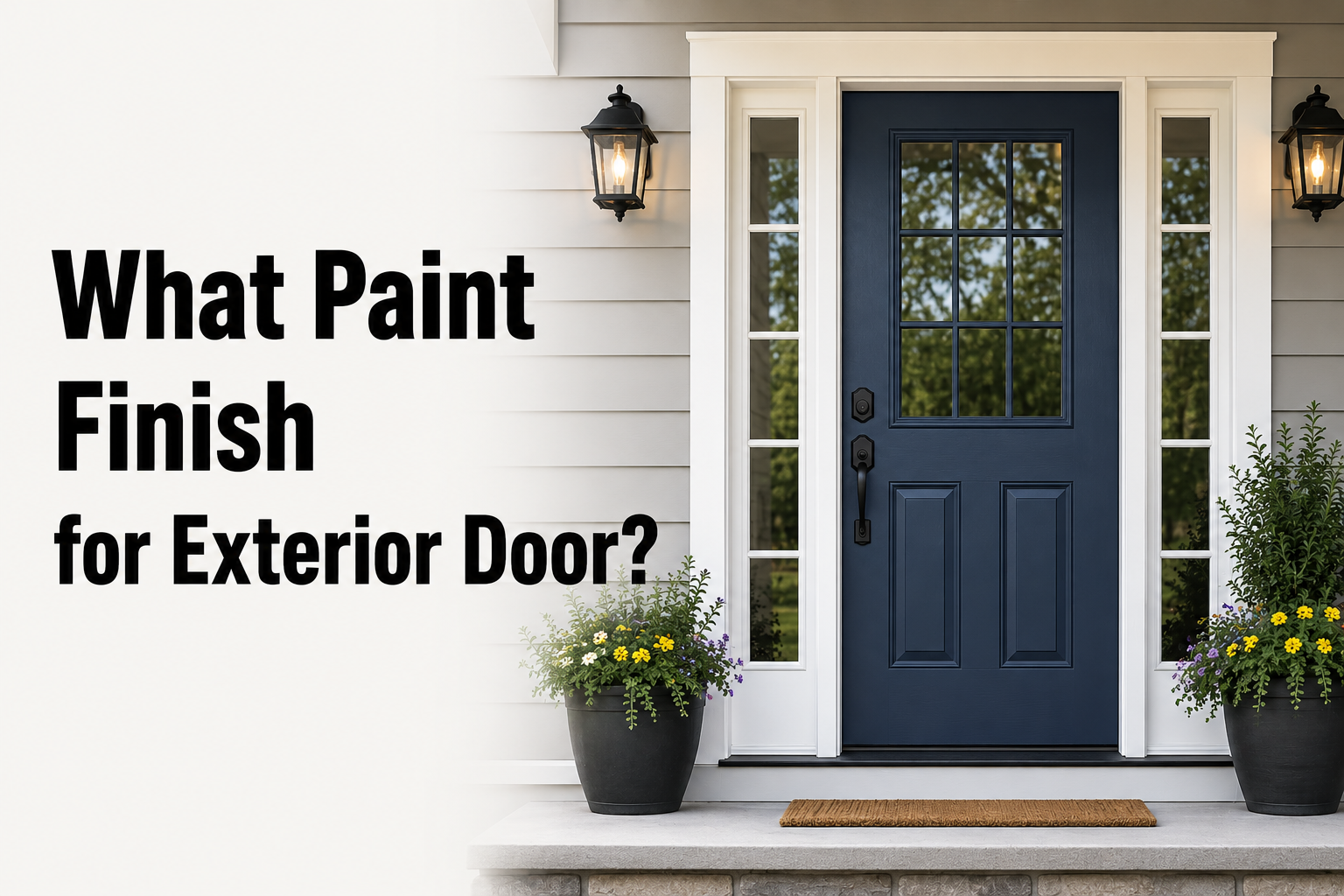

If you are asking what paint finish for exterior door is the safest bet, the short answer is semi-gloss or satin, because these two sheens balance durability, easy cleaning, and a polished look better than any other option. Flat finishes wear out fast under weather exposure, while high-gloss finishes highlight every dent and imperfection on the surface.
The right choice also depends on your door material, local climate, and how much maintenance you are willing to do. A well-chosen finish protects the door from sun, rain, and daily handling for many years. This guide walks through every factor so you can make a confident, long-lasting decision.
Choosing a paint finish is not just about looks; it is about function. An exterior door faces sun, rain, humidity, and constant touching from hands, keys, and bags, so the sheen you pick directly affects how long the paint job survives. Below, we break down each finish type, match them to different door materials and climates, and walk through the actual painting process so you get a result that looks good and lasts.
Understanding Paint Sheens: The Basics
Sheen simply refers to how much light a paint surface reflects once it dries. Lower sheens absorb light and look soft, while higher sheens reflect light and look shiny and hard-wearing. For an exterior door, the sheen level plays a much bigger role than most people expect.
What Sheen Actually Means
Paint sheen is measured by gloss level percentages, where flat sits near zero reflection and high-gloss sits near the top. A higher percentage means a harder, more reflective surface that resists dirt and moisture better. Manufacturers list this gloss unit on the paint can, so checking it before buying helps you compare brands accurately.
Why Exterior Doors Need Special Treatment
Unlike interior walls, exterior doors are hit directly by rain, UV rays, and temperature swings all year round. A finish that works fine inside a living room can crack, fade, or peel quickly when used outside. This is exactly why the question of what paint finish for exterior door deserves more attention than a typical interior paint decision.
The Main Paint Finish Options Explained
There are five common sheen levels to choose from, and each behaves differently once exposed to outdoor conditions. Knowing their strengths and weaknesses makes the final decision much easier.
Flat or Matte Finish
Flat finish looks smooth and non-reflective, which some homeowners like for a modern, understated look. However, it absorbs moisture and dirt easily, making it hard to clean and prone to fading. For an exterior door, this finish typically wears out faster than other options.
Eggshell Finish
Eggshell has a slight sheen, a bit more than flat but still fairly low. It offers marginally better durability than matte but still struggles with heavy weather exposure. This finish suits doors that are well protected under a porch roof rather than fully exposed ones.
Satin Finish
Satin strikes a nice middle ground with a soft glow and decent resistance to moisture and dirt. It hides minor surface imperfections better than glossier finishes while still being easy to wipe clean. Many homeowners pick satin when they want durability without a shiny, reflective look.
Semi-Gloss Finish
Semi-gloss is the most commonly recommended answer to what paint finish for exterior door questions because it combines strong durability with simple maintenance. It resists moisture, handles temperature changes well, and cleans up with just a damp cloth. The slightly reflective look also gives the door a fresh, crisp appearance.
High-Gloss Finish
High-gloss delivers the shiniest, most dramatic look and the toughest protective layer against weather. The trade-off is that it shows every scratch, dent, or brush stroke very clearly, so the surface prep must be flawless. This finish works best for homeowners who don’t mind extra upkeep for a bold statement look.
Best Finish by Door Material
Door material changes how paint adheres and how long a finish lasts, so the sheen recommendation shifts slightly depending on what your door is made of.
Wood Doors
Wood expands and contracts with humidity, so a semi-gloss or satin finish with a flexible exterior enamel works best. These sheens allow slight movement without cracking while still sealing out moisture effectively. Always prime bare wood first to prevent uneven absorption of paint.
Fiberglass Doors
Fiberglass has a smooth, non-porous surface, so semi-gloss finishes adhere well and look particularly sharp. This material already resists warping, so the paint’s job is mainly protection and appearance. Satin is also a safe alternative if a softer look is preferred.
Steel or Metal Doors
Metal doors benefit from semi-gloss or high-gloss finishes paired with rust-resistant primer underneath. These sheens create a hard shell that resists corrosion and scratching from daily use. Avoid flat finishes here since metal doors need maximum surface protection.
Composite Doors
Composite doors behave similarly to fiberglass and accept semi-gloss or satin finishes well. These materials are engineered for durability, so the paint mainly needs to match that resilience. Manufacturer paint guidelines should always be checked first, since some composites have specific coating requirements.
Best Finish by Climate and Exposure
Climate plays a major role in how long a paint finish survives, so local weather patterns should influence the final sheen choice.
High-Sun or UV-Heavy Areas
In sunny regions, UV rays fade paint color and break down the finish over time. Semi-gloss and satin finishes with UV-resistant additives hold color better than flat sheens in these conditions. Darker door colors may need reapplication sooner regardless of sheen, since dark pigments absorb more heat.
Humid or Rainy Climates
Constant moisture calls for a finish that sheds water rather than absorbing it, making semi-gloss the safer pick. Satin can also work if the door is under some cover, like a porch overhang. Flat and eggshell finishes struggle the most in these damp environments.
Coastal or Salty Air Environments
Salt air accelerates corrosion and paint breakdown, so a tougher semi-gloss or high-gloss finish is recommended. Rust-resistant primer becomes especially important for metal doors in coastal zones. Regular cleaning also helps remove salt residue before it damages the finish.
Covered Porches vs Fully Exposed Doors
A door protected by a porch roof faces less direct rain and sun, so satin or even eggshell can perform reasonably well. Fully exposed doors, on the other hand, need the added protection of semi-gloss or high-gloss. Matching the finish to actual exposure level avoids overspending on unnecessary durability.
Factors to Consider Before Choosing
Beyond material and climate, a few practical details help fine-tune the final decision on what paint finish for exterior door suits your specific situation.
Foot traffic and handling frequency matter because doors touched often by hands and keys need a wipeable, tougher sheen like semi-gloss. Door color also affects appearance, since darker shades tend to show sheen and imperfections more clearly than lighter ones.
The existing paint condition matters too, as a full repaint allows more sheen flexibility than a quick touch-up job. Budget and long-term maintenance tolerance should guide the decision, since glossier finishes cost slightly more but save money on future touch-ups. Finally, aesthetic goals count just as much as function, whether the style is modern, traditional, or farmhouse-inspired.
Semi-Gloss vs Satin: Head-to-Head Comparison
Both finishes are the top contenders for exterior doors, so a direct comparison helps clarify which one fits better.
| Factor | Semi-Gloss | Satin |
| Durability | Very high, resists weather well | Good, slightly less tough |
| Cleaning | Easy, wipes clean quickly | Easy, but less stain-resistant |
| Appearance | Slight shine, crisp look | Soft glow, subtle look |
| Cost | Slightly higher | Slightly lower |
| Best For | High-traffic, fully exposed doors | Covered doors, softer aesthetic |
For most homeowners, semi-gloss wins due to its stronger resistance to moisture and easier cleaning, while satin remains a solid choice for those wanting a gentler visual effect.
Best Paint Types to Pair With Your Finish
Picking the right paint sheen only works well when paired with the correct paint formula. This section covers formula types and priming needs.
Oil-Based vs Water-Based Enamels
Oil-based enamels create a hard, durable shell ideal for high-exposure doors but take longer to dry and require solvent cleanup. Water-based acrylic enamels dry faster, resist yellowing, and are easier to clean with just soap and water.
Most professionals now lean toward high-quality acrylic enamels for a good balance of durability and convenience.
Recommended Product Categories
Look for products labeled specifically as “exterior door and trim enamel,” since these are formulated for flexibility and weather resistance.
Avoid generic wall paints, even in semi-gloss, because they lack the same protective additives. Reading the product label for UV protection and mildew resistance adds an extra layer of confidence.
Primer Considerations
A bonding primer suited to the door material, whether wood, metal, or fiberglass, ensures the topcoat adheres evenly. Skipping primer often leads to patchy color and premature peeling regardless of how good the finish coat is. On bare or previously unpainted doors, primer is not optional.
Step-by-Step: How to Paint an Exterior Door
Once the finish and paint type are chosen, proper technique makes the biggest difference in the final result.
- Remove the door from its hinges if possible and lay it flat for even coverage.
- Clean the surface thoroughly and sand lightly to remove old flaking paint or gloss.
- Apply painter’s tape to any glass panels or hardware you want to protect.
- Apply a coat of matching primer and let it dry fully before moving on.
- Apply the first coat of paint using a high-quality brush or a fine-finish sprayer.
- Let the first coat cure according to the label, then lightly sand for smoothness.
- Apply a second coat for even color and long-term protection.
- Allow full curing time, often 24 to 48 hours, before rehanging the door.
Common Mistakes to Avoid
Even with the right finish selected, small errors during the process can shorten the paint job’s lifespan significantly.
Skipping primer is one of the most frequent mistakes, since it leads to uneven color and faster peeling. Painting in extreme heat, cold, or high humidity also prevents proper curing and causes a rough or bubbled surface.
Choosing a sheen purely based on current trends rather than actual exposure levels often leads to disappointment within a year. Ignoring the door’s sun and rain exposure when selecting sheen is another common oversight that shortens paint life.
Maintenance Tips to Extend Finish Life
Simple upkeep habits stretch the lifespan of any exterior door finish, regardless of which sheen was chosen.
Cleaning the door every few months with mild soap and water removes dirt before it wears down the coating. Touching up small chips or scratches as soon as they appear prevents moisture from reaching bare material underneath. Watching for signs like fading, cracking, or peeling helps you plan a repaint before real damage sets in.
Frequently Asked Questions
Can I use interior paint on an exterior door?
Interior paint lacks UV and moisture protection, so it breaks down quickly outdoors and should be avoided.
How long does exterior door paint last?
A well-applied semi-gloss or satin finish typically lasts five to eight years depending on climate and exposure.
Does color affect which sheen I should pick?
Darker colors show more heat and wear, so a durable sheen like semi-gloss helps offset that faster fading.
Can I mix finishes, such as a satin door with semi-gloss trim?
Yes, this combination is common and creates a balanced look between the door and surrounding trim.
Conclusion
When it comes to what paint finish for exterior door works best, semi-gloss remains the top all-around choice, with satin as a strong alternative for a softer appearance. The right pick still depends on your door’s material, local climate, and how much exposure it gets daily.
Compared to generic painting guides that only list finish types, this guide ties the choice directly to material, climate, and real maintenance habits for a more practical decision. Matching these factors correctly ensures your exterior door stays protected and good-looking for years to come.
Related Articles
How Long Does It Take for Bathroom Caulk to Dry? Complete Guide
How to Cut Steel Roofing: Complete Guide 2026