


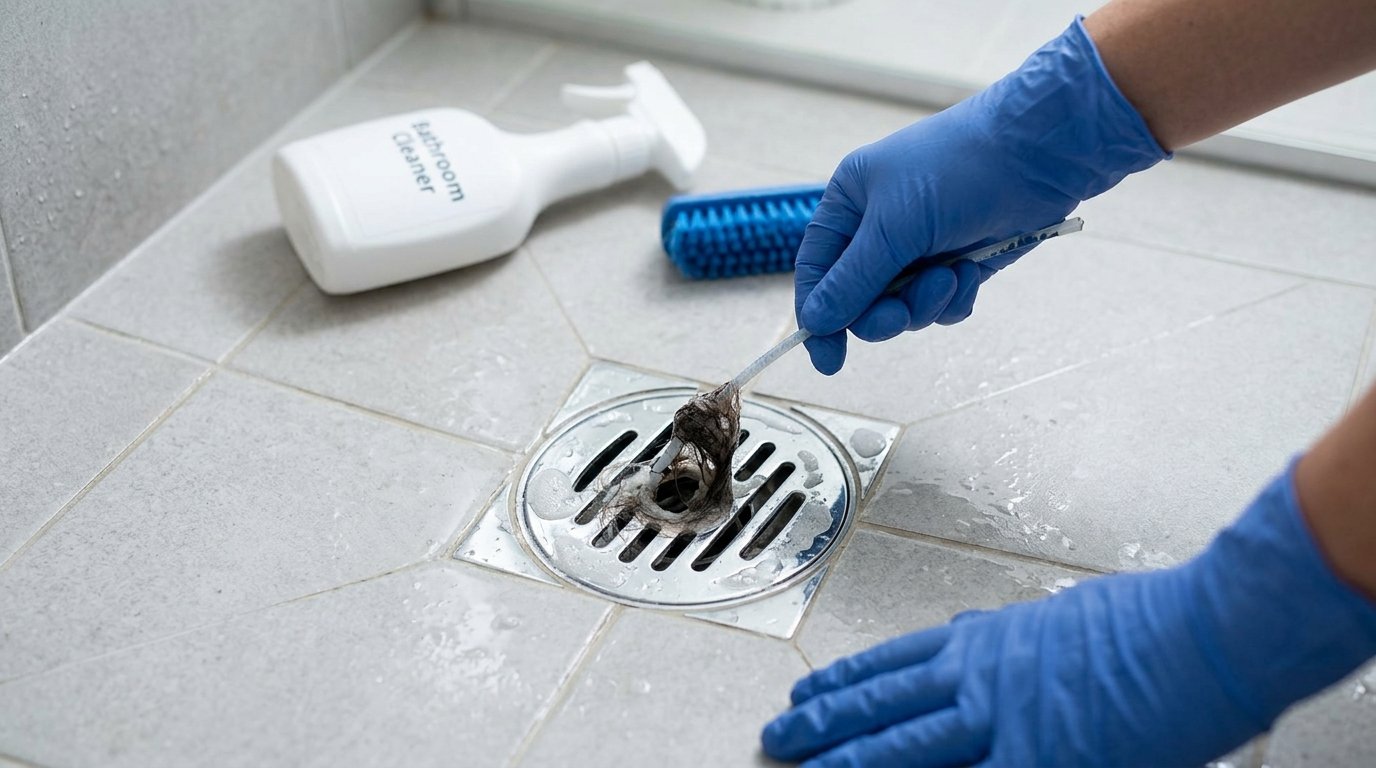

A slow or smelly bathroom drain is a common household issue caused by hair, soap scum, and debris buildup over time. Knowing how to clean bathroom drain systems properly can save you from costly plumber visits and keep water flowing smoothly. This guide covers simple tools, natural remedies, and preventive habits to keep your bathroom drain in good condition.
Why Bathroom Drains Get Clogged
Bathroom drains face constant exposure to hair, soap residue, and skin cells, which gradually build up inside the pipe. Understanding the cause of clogs helps you choose the right cleaning method. This section explains the most common reasons drains slow down.
Hair and Soap Scum Buildup
Hair is one of the biggest culprits behind bathroom drain clogs, especially in shower and tub drains used daily. Combined with soap scum, hair strands create a sticky mass that traps more debris over time, gradually narrowing the pipe. This buildup often starts small but worsens quickly if left unaddressed. Regular cleaning prevents this combination from turning into a full blockage.
Mineral Deposits From Hard Water
In areas with hard water, mineral deposits can accumulate inside the drain pipe, narrowing the passage over months or years. These deposits often combine with soap residue, creating a tougher buildup that’s harder to remove than hair alone. Homes with visible water spots on fixtures often experience this issue more frequently. Recognizing this cause helps in choosing an appropriate cleaning solution.
Tools Needed to Clean a Bathroom Drain
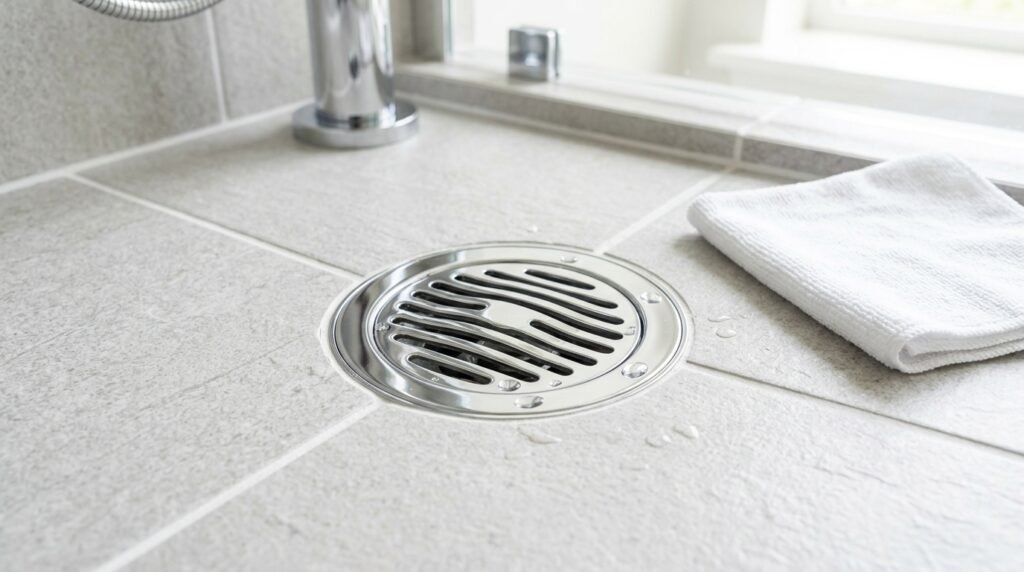
Having the right tools on hand makes the cleaning process much easier and more effective. Most of these items are affordable and easy to find at any hardware store. This section lists the essential tools for the job.
Basic Tools for Manual Cleaning
A pair of rubber gloves, a flashlight, and a small drain removal tool or bent wire hanger are the basics needed for manual cleaning. These tools allow you to physically pull out hair and debris without needing harsh chemicals. A flathead screwdriver is also useful for removing the drain cover safely. Having these items ready before starting saves time during the cleaning process.
Natural Cleaning Ingredients
Baking soda, white vinegar, and hot water are commonly used natural ingredients that help break down buildup without damaging pipes. These ingredients are safe for most plumbing systems and are a good alternative to harsh commercial drain cleaners. Keeping these on hand allows for regular maintenance without needing to buy specialized products. This natural approach also tends to be gentler on both pipes and the environment.
Step-by-Step Guide to Clean Bathroom Drain
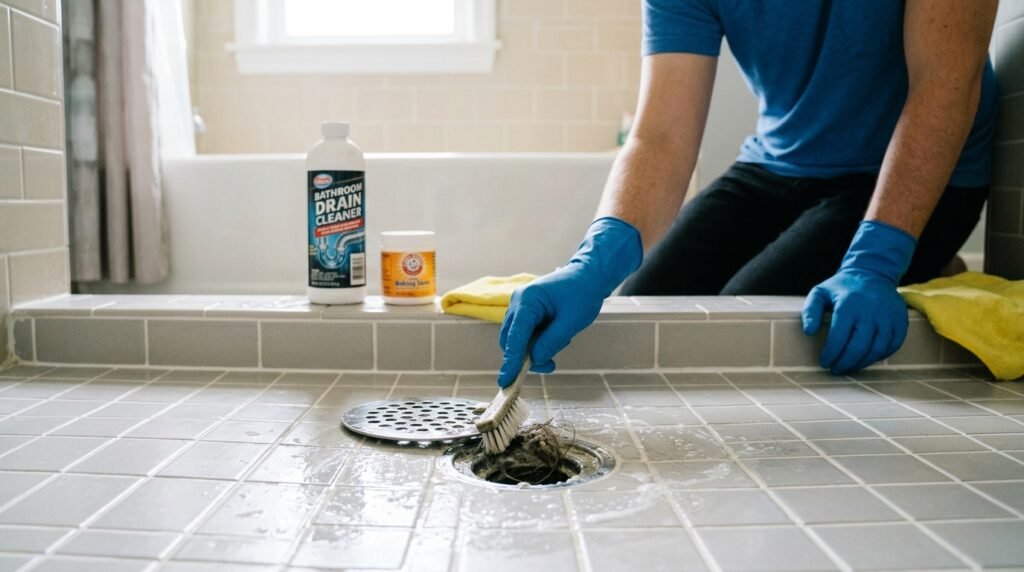
Cleaning a bathroom drain involves a few clear steps that can be done without professional help in most cases. Following the right order ensures the clog is fully addressed rather than partially cleared. This section walks through the complete process.
Removing the Drain Cover
Start by using a screwdriver to carefully remove the drain cover or stopper, setting screws aside so they aren’t lost. Once removed, take a moment to inspect the visible buildup around the opening before proceeding further. This step gives clear access to the drain for the following cleaning stages. Cleaning the cover itself with a brush also helps remove any trapped grime.
Pulling Out Hair and Debris
Using a drain removal tool or a bent wire hanger, gently reach into the drain and pull out any visible hair or debris. This step often removes a surprising amount of buildup and can immediately improve water flow. It’s important to work slowly to avoid pushing debris further down the pipe. Disposing of the removed material in a trash bag rather than rinsing it away prevents re-clogging.
Using Baking Soda and Vinegar Solution
After removing visible debris, pour about half a cup of baking soda into the drain, followed by an equal amount of white vinegar. The mixture will fizz, which helps break down remaining residue clinging to the pipe walls. Letting it sit for about fifteen to twenty minutes allows the reaction to work through tougher buildup. Rinsing with hot water afterward flushes away the loosened debris completely.
Flushing With Hot Water
Once the baking soda and vinegar treatment is complete, flushing the drain with hot water helps clear any remaining loosened particles. Boiling water should be avoided with PVC pipes, as it can potentially soften the material, so hot tap water is a safer choice. This final flush confirms whether the clog has been fully cleared or if further treatment is needed. A noticeable improvement in water drainage speed is a good sign the process worked.
Comparison of Drain Cleaning Methods
Different situations call for different cleaning approaches depending on the severity of the clog. The table below compares common methods to help you choose the right one.
| Method | Best For | Effectiveness |
| Manual removal tool | Hair and surface debris | High for visible clogs |
| Baking soda and vinegar | Mild buildup and odor | Moderate to high |
| Boiling or hot water flush | Loosening minor residue | Moderate |
| Commercial drain cleaner | Severe, stubborn clogs | High but harsh on pipes |
| Plumbing snake | Deep or persistent clogs | High for deep blockages |
When to Call a Professional Plumber
While most bathroom drain clogs can be handled at home, some situations require professional help. Recognizing these signs prevents further damage to your plumbing system. This section explains when it’s time to call an expert.
Recurring Clogs Despite Regular Cleaning
If a drain clogs repeatedly even after regular cleaning and maintenance, it may indicate a deeper blockage further down the pipe. This could be caused by tree roots, pipe damage, or a buildup too far for household tools to reach. A professional plumber has specialized equipment, like motorized snakes, to address these deeper issues. Ignoring recurring clogs can lead to more serious plumbing problems over time.
Unusual Smells or Slow Drainage Throughout the Home
If multiple drains in the house are slow or emitting foul odors simultaneously, this may point to a larger issue in the main sewer line rather than a single drain. This type of problem is beyond typical home remedies and requires professional diagnosis. Attempting to fix a main line issue without proper tools can sometimes make the situation worse. Calling a plumber promptly in this case helps avoid extensive damage.
Preventing Future Drain Clogs
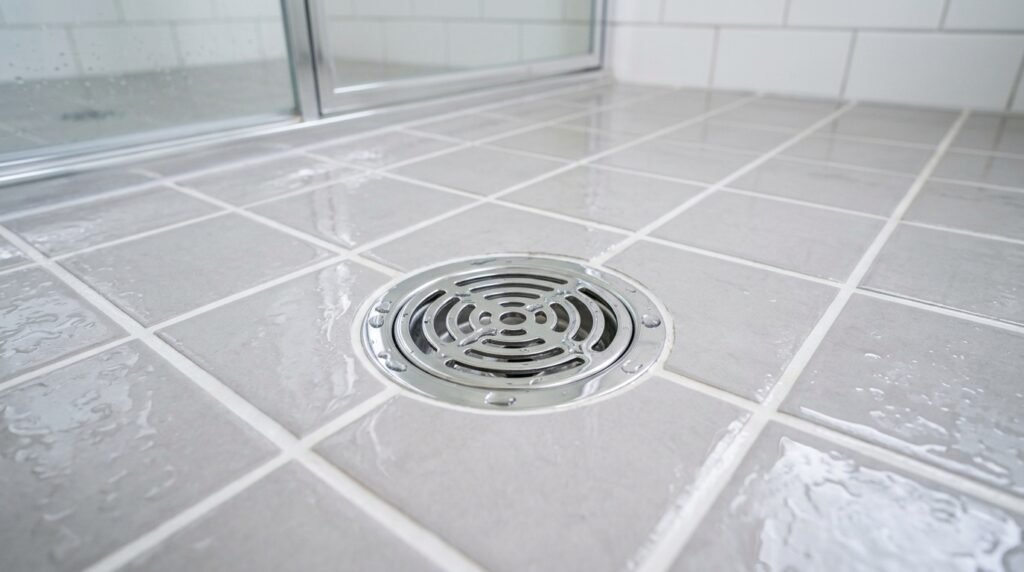
Once your bathroom drain is clean, a few simple habits can help keep it that way for longer. Prevention is often easier and cheaper than repeated cleaning. This section covers practical prevention tips.
Using a Drain Cover or Hair Catcher
Installing a mesh drain cover or hair catcher traps hair and larger debris before it enters the pipe, making cleanup much easier. These inexpensive tools can be cleaned quickly by hand and prevent the need for frequent deep cleaning. Many varieties are available to fit different drain sizes and styles. This small addition significantly reduces the frequency of clogs.
Scheduling Regular Maintenance Cleanings
Setting a monthly reminder to clean bathroom drains with baking soda and vinegar keeps buildup from accumulating significantly. This proactive approach is far easier than dealing with a fully clogged drain later on. Regular maintenance also helps you notice early warning signs before they become bigger problems. Consistency is the key to keeping drains clear long-term.
Conclusion
Knowing how to clean bathroom drain systems properly helps maintain smooth water flow and prevents unpleasant odors in the home. Simple tools combined with natural ingredients like baking soda and vinegar handle most everyday clogs without harsh chemicals. Recognizing when a clog requires professional attention protects your plumbing from further damage. With regular maintenance and a few preventive habits, bathroom drains can stay clear and functional for a long time.
FAQs
How often should I clean my bathroom drain?
Cleaning once a month with natural ingredients is generally enough to prevent significant buildup.
Is it safe to use chemical drain cleaners regularly?
No, frequent use of harsh chemical cleaners can damage pipes over time, so natural methods are recommended for routine care.
Can I use a plunger to clear a bathroom drain?
Yes, a small plunger can help dislodge minor clogs, especially when combined with hot water flushing afterward.
What should I do if the clog doesn’t clear after cleaning?
If the clog persists after trying these methods, it’s best to contact a professional plumber to inspect the pipe further.
Related Articles
How to Measure Room for Furniture: Step-by-Step Guide for Perfect Fit
24 Inch Kitchen Sink Drop In Complete Guide: Types, Benefits, Installation
Rub-on Transfers for Furniture: Transform Your Decor with Ease




