


Furniture decoration has taken a creative turn with the rising popularity of rub-on transfers. These decorative elements allow homeowners and DIY enthusiasts to add intricate designs, patterns, and motifs to furniture pieces without the need for painting skills or expensive materials. Rub on transfers for furniture have become a favorite among those looking to refresh old dressers, cabinets, tables, and chairs with minimal effort and maximum visual impact.
Unlike traditional decals or stickers, rub-on transfers are applied by rubbing a design onto a surface until it transfers from a backing sheet to the furniture. This method creates a smooth, almost painted-on appearance that blends naturally with the wood or finish underneath. The result is a professional-looking design that can completely change the character of a piece of furniture.
What Are Rub-on Transfers and How Do They Work
Rub-on transfers consist of a design printed on a special backing sheet, which is transferred onto a surface through pressure and friction. Once applied, the design becomes a part of the furniture’s surface, giving it a seamless and durable finish.
The Transfer Process Explained
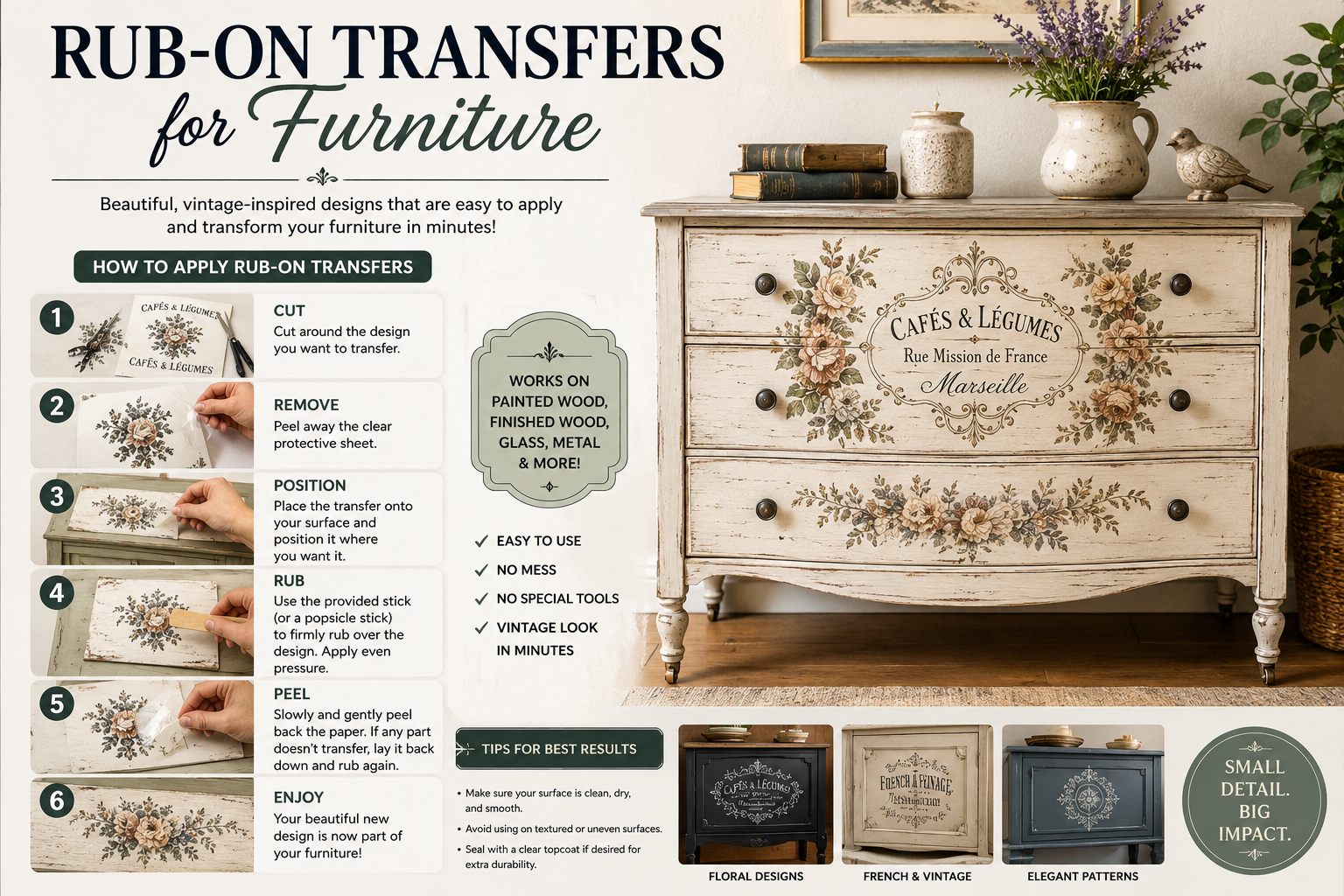
The process begins by positioning the transfer sheet on the desired area of the furniture. Using a burnishing tool, craft stick, or even a credit card, pressure is applied evenly across the design until it adheres to the surface.
Once the backing sheet is peeled away, the design remains permanently bonded to the furniture, creating a clean and polished look.
Materials Used in Rub-on Transfers
Most rub-on transfers are made from a combination of ink and adhesive layers printed on a transparent or semi-transparent film.
This construction allows the design to blend with the furniture’s existing color and texture, rather than sitting on top like a sticker. The materials are designed to withstand daily wear, making them suitable for furniture that is used frequently.
Benefits of Using Rub on Transfers for Furniture
Rub on transfers offer a unique combination of convenience, affordability, and style, making them an appealing choice for furniture makeovers. Below, we explore the key advantages that make these transfers stand out.
Easy Application for Beginners
One of the biggest advantages of rub-on transfers is how simple they are to use, even for individuals with no prior crafting experience. There is no need for specialized tools, paints, or sealants, as the transfer process itself creates a finished look. This makes it an ideal option for quick weekend projects or last-minute furniture updates.
Cost-Effective Furniture Makeover
Compared to hiring professionals for custom furniture painting or purchasing new decorative pieces, rub-on transfers provide a budget-friendly alternative.
A single sheet can cover a significant area, allowing homeowners to update multiple pieces of furniture without spending a large amount of money.
Wide Range of Design Options
From floral patterns and vintage motifs to modern geometric designs, rub on transfers come in countless styles to suit different tastes and home decor themes.
This variety allows users to personalize their furniture according to their preferences, whether they want a subtle accent or a bold statement piece.
Types of Furniture Suitable for Rub-on Transfers
Rub on transfers can be applied to a wide range of furniture types, each offering a different opportunity for creative expression. Understanding which pieces work best can help you plan your project effectively.
Dressers and Cabinets
Dressers and cabinets often serve as focal points in bedrooms and living spaces, making them perfect candidates for rub-on transfers. Adding a decorative pattern to drawer fronts or cabinet doors can instantly elevate the overall look of the furniture without requiring a complete overhaul.
Tables and Desks
Tabletops and desk surfaces provide a flat, smooth area that is ideal for showcasing intricate designs.
Whether it’s a side table, dining table, or writing desk, rub-on transfers can add a decorative border or centerpiece design that enhances the furniture’s visual appeal.
Chairs and Headboards
Chairs and headboards offer unique surfaces where rub-on transfers can be used to create accents or patterns that draw attention to specific areas.
These pieces often benefit from smaller, detailed designs that complement their shape and structure.
How to Apply Rub-on Transfers Correctly
Proper application is essential to achieving a clean and long-lasting result. Following the right steps ensures that the design adheres smoothly and remains intact over time.
Preparing the Surface
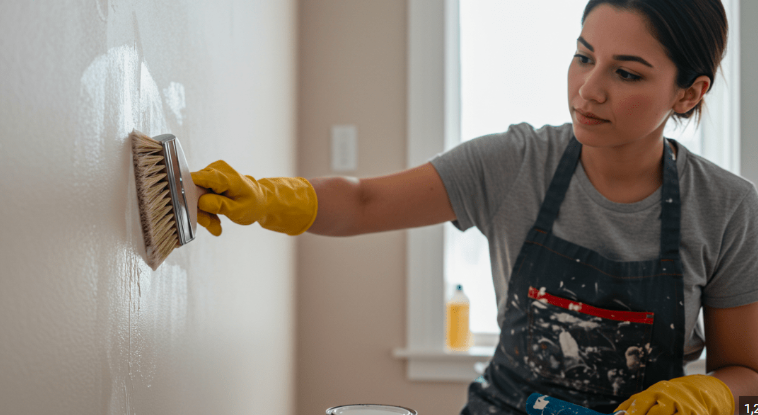
Before applying any transfer, the furniture surface should be clean, dry, and free from dust or grease.
A smooth surface allows the transfer to adhere properly and prevents air bubbles or uneven application. Sanding rough areas lightly can also improve the overall result.
Positioning and Applying the Design
Once the surface is ready, the transfer sheet should be carefully positioned to ensure the design aligns correctly with the furniture’s shape and proportions.
Using painter’s tape to hold the sheet in place can help maintain accuracy during the rubbing process.
Sealing for Added Protection
After the transfer has been applied and the backing sheet removed, adding a protective sealant can help preserve the design and protect it from scratches or moisture.
This step is especially important for furniture that experiences frequent use, such as tabletops and drawer fronts.
Comparing Rub on Transfers with Other Furniture Decoration Methods
To better understand the value of rub on transfers, it helps to compare them with other popular furniture decoration techniques.
| Feature | Rub on Transfers | Stencils and Paint | Decals and Stickers |
| Application Difficulty | Easy, minimal tools required | Requires painting skills and drying time | Easy but may peel over time |
| Design Detail | Great detail with intricate patterns | Limited by stencil design | Moderate detail depending on quality |
| Durability | Long-lasting with proper sealing | Durable if properly sealed | Can fade or peel with frequent use |
| Cost | Affordable for the design variety offered | Can be costly due to paint and tools | Generally low cost |
| Removability | Permanent once applied | Permanent unless repainted | Often removable or repositionable |
| Best For | Detailed patterns on furniture surfaces | Bold, custom designs | Quick, temporary decoration |
Creative Ideas for Using Rub on Transfers
Rub on transfers open up endless possibilities for furniture customization, allowing homeowners to experiment with different styles and themes throughout their living spaces.
Vintage and Antique Looks
For furniture pieces with a classic or antique feel, rub-on transfers featuring floral or ornamental designs can enhance their vintage charm.
These designs work particularly well on wooden dressers, armoires, and side tables, adding character without overpowering the natural texture of the wood.
Modern and Minimalist Designs
For contemporary interiors, simple geometric patterns or monochrome designs can add a subtle touch of sophistication.
These transfers work well on sleek, flat surfaces such as cabinet doors or table edges, complementing minimalist decor styles.
Personalized and Custom Themes
Many rub-on transfers are available in customizable formats, allowing users to create personalized designs for nurseries, home offices, or themed rooms.
This flexibility makes them suitable for both functional furniture and decorative accent pieces.
Frequently Asked Questions
Are rub-on transfers permanent once applied?
Yes, once the design is transferred onto the surface, it becomes a permanent part of the furniture unless removed through sanding or refinishing.
Can rub-on transfers be used on painted furniture?
Yes, they work well on both painted and natural wood surfaces, as long as the surface is clean and smooth.
Do rub-on transfers require sealing?
Sealing is recommended for furniture that experiences regular use, as it helps protect the design from wear and moisture.
Are rub-on transfers suitable for beginners?
Yes, their simple application process makes them an excellent choice for those new to furniture customization.
Conclusion
Rub-on transfers for furniture offer a simple, affordable, and creative way to refresh and personalize home decor. With a wide range of designs and easy application methods, they provide an effective solution for transforming ordinary furniture into unique decorative pieces.
Related Articles
Shower Door Repair: Complete Guide to Fix Common Shower Door Problems
How to Clean and Store Kitchen Tools: The Complete Guide
Roof Repairs Worcester: Your Complete Local Guide to a Safe and Lasting Roof
Garage Door Bottom Seal Replacement: Complete Guide for Homeowners
Mulled Windows vs Non-Mulled Windows: Which Is Right for Your Home