


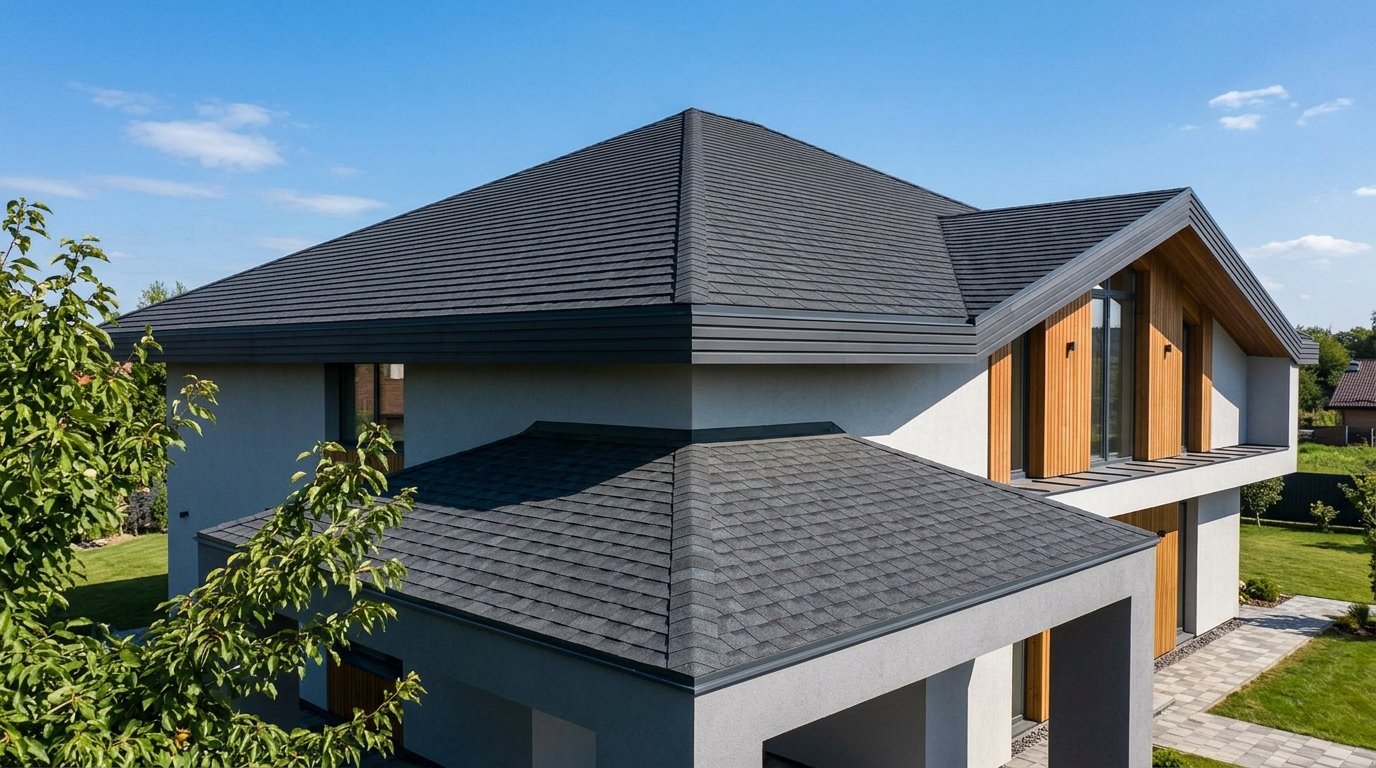

If you have ever gotten a roofing quote and felt lost in the numbers, you are not alone. Most contractors price jobs using a term called a “square,” and understanding it makes the entire estimate much easier to follow. This guide breaks down the meaning, the math, and the real cost behind a roofing square in simple, everyday language.
What Does a Square Mean in Roofing?
In roofing, a square is simply a unit of measurement equal to 100 square feet of roof surface. Contractors use this term instead of plain square footage when they talk about material needs, labor, and pricing.
The Basic Definition of a Roofing Square
A roofing square covers a 10-foot by 10-foot area, which works out to exactly 100 square feet of roof surface. It does not matter whether that area is flat, sloped, or oddly shaped, the math always comes back to the same 100-square-foot baseline. This single, fixed unit makes it possible to compare quotes from different roofers without confusion.
Why Roofers Use Squares Instead of Square Feet
Talking in squares keeps numbers smaller and easier to manage during estimating and ordering. Instead of saying a roof needs 2,400 square feet of shingles, a roofer can simply say the job needs 24 squares, which is faster to write on an invoice and easier to compare against material packaging.
Most shingle bundles, underlayment rolls, and other roofing supplies are also packaged with the square in mind, so the term lines up naturally with how materials are bought and sold.
Where the Term Came From
The square has been part of roofing trade language for generations, long before digital calculators or measuring apps existed. Workers needed a quick way to estimate material needs while standing on a ladder or walking a roof, and a flat 100-square-foot unit was simple enough to use without a tape measure for rough counts.
The term stuck around because it still works well today, even with all the modern tools available.
How Many Square Feet Are in a Roofing Square
One roofing square always equals 100 square feet, no matter the home size or roof style. This fixed ratio is the foundation for every material and cost calculation a roofer will make.
The 100 Square Feet Rule
This rule never changes across roofing materials, brands, or regions, which is part of what makes it so useful.
Whether a roof is covered in asphalt shingles, metal panels, or clay tiles, the 100-square-foot definition of a square stays exactly the same. Only the materials used to cover that square, and their price, will differ from one job to another.
Converting Square Feet to Squares
To convert square footage into squares, the total roof area is simply divided by 100. A roof measuring 1,800 square feet, for example, equals 18 squares, while a 3,200-square-foot roof equals 32 squares.
This conversion is the first step a roofer takes before figuring out how many bundles of shingles or rolls of underlayment to order.
Example Calculation
Imagine a single-story home with a roof footprint of 1,600 square feet measured at ground level. After accounting for the slope, the actual roof surface comes out closer to 2,000 square feet.
Dividing that number by 100 gives 20 squares, which becomes the figure used for every material and labor estimate going forward.
How to Calculate the Number of Squares on a Roof
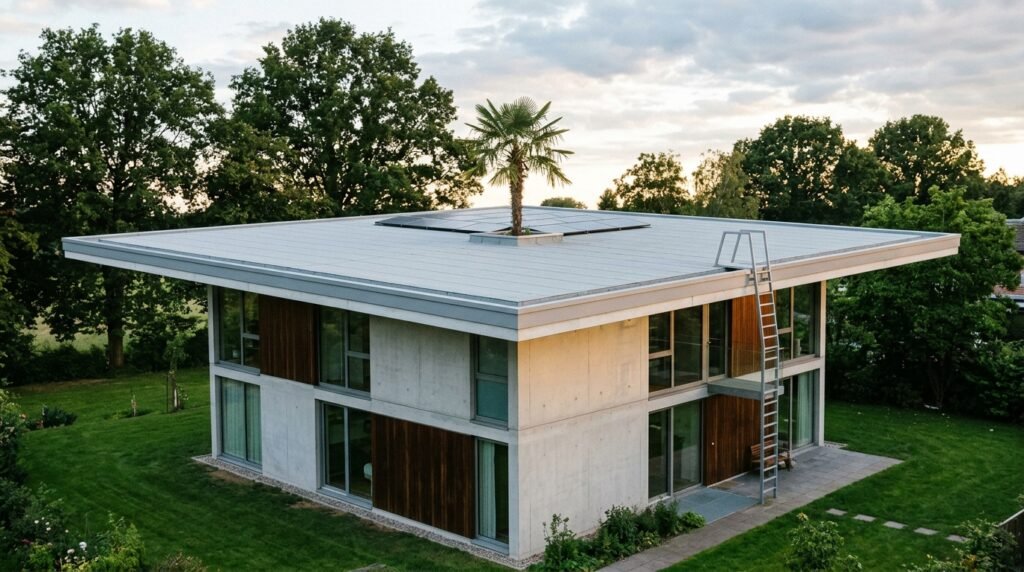
Calculating squares involves measuring the roof, adjusting for its slope, and adding a small buffer for waste. Skipping any of these steps usually leads to ordering too little or too much material.
Measuring Roof Area
The first step is measuring the length and width of every roof plane and multiplying them together to find the area of each section.
For roofs with multiple sections, such as an L-shaped or gable roof, each plane is measured separately and then added together for a total. Many roofers also use satellite measuring tools or drone software today, but the underlying math stays the same as a manual tape measurement.
Adjusting for Roof Pitch
A flat ground-level measurement of a house does not equal the actual roof surface area, because sloped roofs have more material covering them than their footprint suggests. A steeper pitch means more exposed surface, so roofers apply a pitch multiplier based on the roof’s slope to get an accurate number. A roof with a moderate slope might add 15 to 20 percent more surface area compared to its flat footprint, while a steep roof can add 30 percent or more.
Adding a Waste Factor
Even with careful measurements, roofers add extra material to account for cuts, overlaps, and odd angles around chimneys, vents, and valleys.
A standard waste factor usually falls between 10 and 15 percent, though more complex roofs with many cuts may need closer to 20 percent. This buffer prevents a crew from running short on materials halfway through a job.
Why Roofing Squares Matter for Material Estimation
Once the number of squares is known, ordering materials becomes far simpler and more accurate. Shingles, underlayment, nails, and flashing are all calculated using the same square-based system.
Shingles Needed Per Square
Most standard asphalt shingle bundles are designed so that three bundles cover one square, though this can vary slightly by manufacturer and shingle style.
Knowing the total squares lets a roofer quickly multiply out the bundle count needed for the entire job without guesswork. This also helps homeowners double-check that a quote matches the actual size of their roof.
Underlayment, Nails and Flashing Per Square
Underlayment rolls, roofing nails, and flashing materials are also sold and measured with the square in mind, since it keeps ordering consistent across every part of the job. The table below shows a general idea of common material needs per square for a standard asphalt shingle roof.
| Material | Typical Amount Needed Per Square |
| Asphalt shingles | 3 bundles |
| Underlayment | 1 roll (covers about 4 squares) |
| Roofing nails | 1.5 to 2 pounds |
| Ridge cap shingles | As needed along ridge length |
| Ice and water shield | Used mainly at eaves and valleys |
These figures are general guidelines, and actual needs can shift slightly based on roof complexity, climate, and the specific brand of materials chosen.
Cost Per Square in Roofing in 2026
Pricing in roofing is almost always discussed per square rather than per square foot of the whole house, since it reflects the actual roof surface being worked on. Costs vary widely depending on material choice, labor, and regional pricing.
Average Material Cost Per Square
Material costs per square differ significantly across roofing types. The table below shows a general 2026 price range for common roofing materials, based on current industry pricing data.
| Roofing Material | Approximate Material Cost Per Square |
| 3-tab asphalt shingles | $90 to $120 |
| Architectural asphalt shingles | $120 to $180 |
| Standing seam metal | $350 to $700 |
| Clay or concrete tile | $600 to $1,200 |
| Natural slate | $1,500 to $2,500 |
Labor Cost Per Square
Labor charges typically run between $150 and $300 per square for standard asphalt shingle installation, though steep or complex roofs can push that figure higher. Premium materials such as tile or slate often require specialized skill, which can raise labor costs to $400 per square or more in some regions.
Tear-off and disposal of old roofing material usually adds another $100 to $250 per square on top of new installation labor.
Total Cost Examples by Roof Size
A small roof of around 15 squares with standard asphalt shingles might total somewhere between $5,500 and $9,000 once materials, labor, and basic tear-off are included. A larger roof of 30 squares using architectural shingles could land closer to $13,000 to $20,000 depending on pitch and local labor rates.
Premium materials like metal or tile on the same 30-square roof can easily push total costs well beyond $25,000.
Common Mistakes When Calculating Roofing Squares
Even experienced homeowners can misjudge roofing squares if they skip a step or rely only on rough guesses. These mistakes usually lead to either overpaying for materials or running short mid-project.
Ignoring Roof Pitch
Many people assume their roof area matches their home’s floor plan, but this ignores the extra surface created by the slope. Skipping the pitch adjustment almost always results in underestimating both materials and cost. A roofer should always confirm whether pitch has been factored into a quote.
Forgetting Waste Allowance
Leaving out a waste factor might make a quote look cheaper on paper, but it usually causes material shortages once cutting and fitting begin.
This is especially common on roofs with many valleys, dormers, or chimneys, where cuts add up quickly. A missing waste allowance is one of the most frequent reasons a project runs over budget.
Confusing Roofing Squares With Home Square Footage
Homeowners sometimes assume their home’s listed square footage on a real estate listing equals the roof’s square footage, but these numbers rarely match. Roof surface area is almost always larger than a home’s footprint because of slope, overhangs, and multiple roof planes. Mixing up these two figures can lead to inaccurate budgeting before a contractor even visits the property.
Frequently Asked Questions
Is a roofing square the same as 100 square feet?
Yes, one roofing square always equals exactly 100 square feet of roof surface, regardless of the material or roof style being used.
How do I find out how many squares my roof has?
A roofer measures every roof plane, adjusts for pitch, adds a waste factor, then divides the final total by 100 to get the square count.
Why don’t roofers just use square feet like other contractors?
Squares keep numbers smaller and match how shingles, underlayment, and other materials are packaged and sold, making estimates faster and easier to compare.
Does roof pitch really change the number of squares?
Yes, steeper roofs have more actual surface area than their flat footprint suggests, so pitch always increases the final square count.
What is a good waste factor to use when calculating squares?
Most standard roofs use a 10 to 15 percent waste factor, while roofs with many valleys or chimneys often need closer to 20 percent.
Conclusion
A roofing square is simply a 100-square-foot unit that makes measuring, ordering, and pricing a roof far more manageable. Once the total squares are known, calculating material needs and comparing contractor quotes becomes much clearer. Understanding this single term can save homeowners from confusion and help them budget more accurately for their next roofing project.
Related Articles
How Do You Wash Walls Before Painting? (Step-by-Step Guide)
24 Inch Kitchen Sink Drop In Complete Guide: Types, Benefits, Installation
Can You Paint Metal Roofing? The Complete Guide for Homeowners & Pros
How to Get Rid of Stucco Ceilings?
Factors Affecting Door Installation Cost: What You Need to Know




