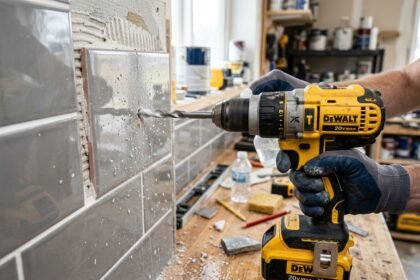


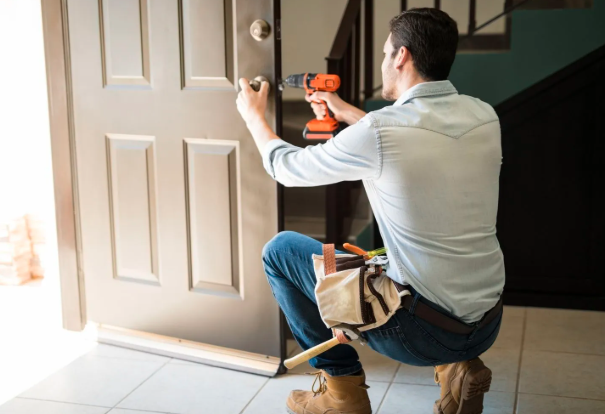

When planning a door installation, understanding the factors affecting door installation cost can help you budget wisely and avoid unexpected expenses. From the material you choose to the security features you prioritize, every detail plays a role in determining the final price.
In this guide, we’ll walk you through the key cost drivers — including Door Material: The Biggest Cost Driver and Hardware and Security Features — so you can make informed decisions for your home or business.
Door Type and Its Impact on Installation Cost
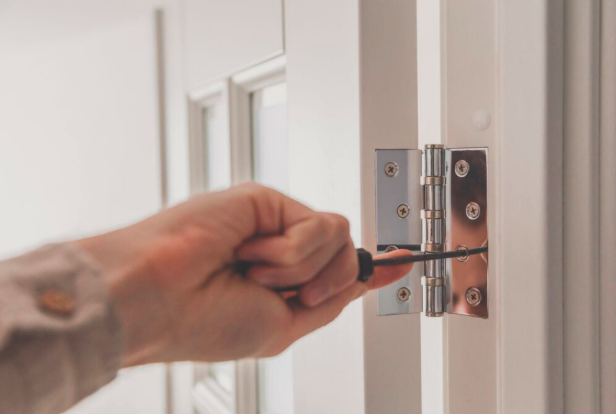
The type of door you choose is one of the most significant factors affecting door installation cost, as it directly dictates hardware complexity, weight, and necessary structural modifications. Here are the key door types and how each one impacts your overall installation expenses:
- Hollow-Core Interior Doors — Lightweight and budget-friendly, these doors require basic hardware and minimal labor, making them the most affordable option for interior spaces.
- Solid-Wood Doors — Heavier and more durable, solid-wood doors demand heavy-duty hinges and a reinforced frame, increasing both material and labor costs significantly.
- Steel and Fiberglass Doors — Commonly used for exteriors, these doors require precise fitting, weatherproofing, and stronger structural support, adding to the overall installation expense.
- Sliding Barn Doors — These stylish doors need custom overhead tracks, wall anchors, and careful alignment, which increases hardware complexity and installation time.
- French Doors — Installing double French doors requires precise framing, alignment of both panels, and often structural modifications, making them more costly than single-door installations.
- Bi-Fold Doors — These multi-panel doors demand specialized track systems and exact measurements, adding complexity and cost to the installation process.
- Pocket Doors — Since pocket doors slide into the wall, they require significant structural modifications to the wall cavity, making them one of the more labor-intensive and expensive options.
Door Material: The Biggest Cost Driver
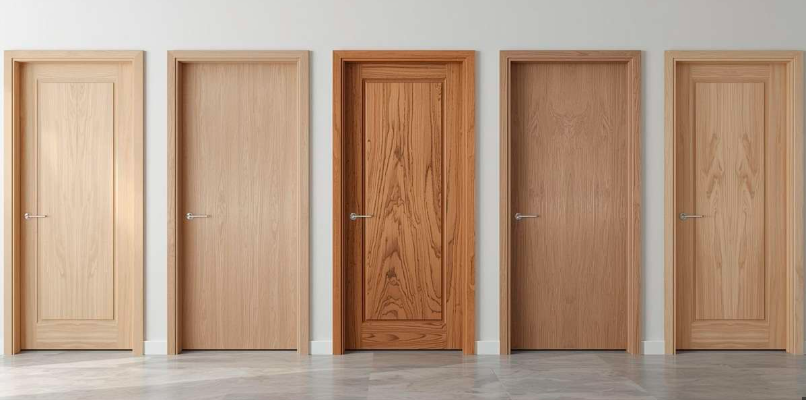
When it comes to factors affecting door installation cost, the material of the door stands out as the single biggest cost driver, influencing the price of the door itself, the hardware, labor, and long-term maintenance expenses. Here is a breakdown of the most common door materials and how each impacts your installation cost:
Solid Wood
A premium and timeless choice, solid wood doors are heavy and require heavy-duty hinges, reinforced frames, and skilled labor, significantly raising the overall installation cost while offering excellent aesthetics and durability.
Steel
A popular choice for exterior doors, steel offers superior security and energy efficiency but demands precise fitting, weatherproof sealing, and stronger structural support, all of which add to the total installation expense.
Fiberglass
Mid-to-high range in cost, fiberglass doors are durable, low-maintenance, and energy-efficient, but their installation requires careful handling and proper sealing, contributing to moderately higher labor costs.
Aluminum
Lightweight yet strong, aluminum doors are commonly used for commercial or modern residential settings and require specialized framing and hardware, making installation more complex and costly than basic wood options.
Glass Doors
Whether full-glass or partial-glass panels, these doors are among the most expensive to install due to their fragility, weight, specialized framing requirements, and the need for precise handling during installation.
Door Size and Custom Dimensions
Door size is a key factor affecting door installation cost, as standard sizes keep expenses low while custom dimensions significantly increase material and labor costs. Here is how size impacts your installation:
- Standard Size Doors — Readily available and easy to install, standard doors require no structural modifications, making them the most budget-friendly choice.
- Non-Standard Size Doors — Custom-sized doors come with higher material costs, longer lead times, and specialized hardware, all of which increase the overall installation expense.
- Oversized Doors — Larger doors demand reinforced frames and additional structural support, significantly raising both material and labor costs.
- Custom Shape Doors — Arched or uniquely shaped doors require bespoke manufacturing and highly skilled labor, making them one of the most expensive installation options.
- Width and Height Adjustments — Modifying an existing door opening involves structural wall work, which can considerably raise labor costs especially if the wall is load-bearing.
Labor Costs: What You’re Really Paying For
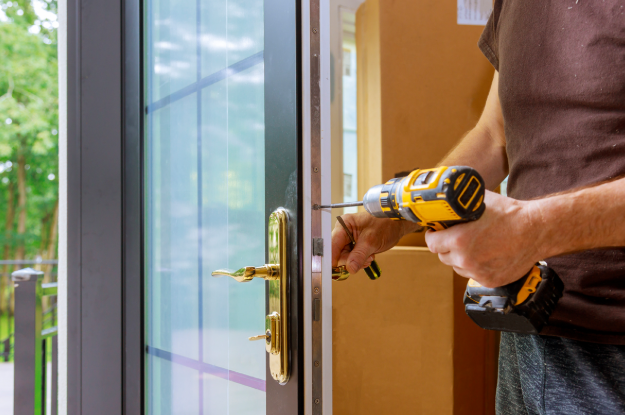
Labor is one of the most significant factors affecting door installation cost, as the complexity of the job, skill level required, and local market rates all determine how much you pay beyond the door itself. Here is what makes up your labor costs:
Basic Installation
A straightforward door swap with no structural changes is the most affordable labor option, involving hinge fitting, hardware mounting, and basic alignment.
Frame Replacement or Repair
If the existing frame is damaged or incompatible, replacing it adds significant labor time and cost to the project.
Structural Wall Modifications
Altering a door opening in a load-bearing wall requires skilled labor and potentially a structural engineer, making it the most expensive labor task.
Hardware and Lock Installation
Fitting smart locks or multi-point locking systems demands technical expertise, adding to overall labor costs.
Local Labor Rates
Costs vary significantly by region, with urban areas typically charging considerably more than rural markets.
Frame and Jamb Condition
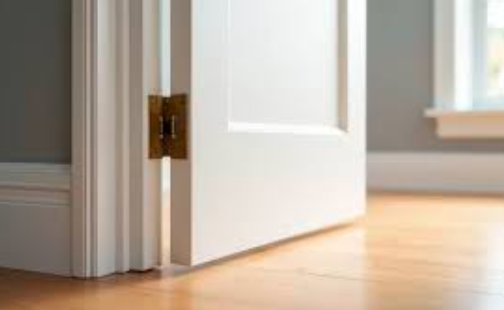
The condition of your door frame and jamb directly impacts installation cost, as damaged or outdated structures require additional repair or replacement work before a new door can be properly fitted. Here is how frame and jamb condition affects your expenses:
- Good Condition Frame — A structurally sound and compatible frame requires no extra work, keeping installation costs low and the process straightforward.
- Damaged or Rotted Frame — Water damage, rot, or physical damage to the frame requires partial or full replacement, adding both material and labor costs to the project.
- Misaligned or Warped Jamb — A warped jamb requires reshaping or replacing to ensure the new door fits and seals properly, increasing labor time and expense.
- Outdated Frame Size — An older frame that does not match standard modern door dimensions may need resizing or reinforcement, driving up overall installation costs.
- New Construction vs. Replacement — Installing a door in a newly built frame is simpler and cheaper, while replacing an existing door with frame issues adds complexity and cost.
Hardware and Security Features
Hardware and security features are essential additions that directly influence the overall factors affecting door installation cost, as upgrading beyond basic fittings adds to both material and labor expenses. Here is how different hardware and security choices impact your costs:
Standard Hardware
Basic hinges, handles, and locksets are the most affordable hardware options, widely available and simple to install, keeping labor time and material costs to a minimum.
Premium Door Handles and Knobs
Decorative or heavy-duty handles and knobs come at a higher price point and may require precise fitting, adding to both material and installation costs compared to standard options.
Smart Locks and Keypad Entry
Electronic smart locks require technical installation and sometimes wiring, making them one of the more expensive hardware upgrades in terms of both product cost and skilled labor.
Multi-Point Locking Systems
Common in premium and exterior doors, multi-point locks secure the door at several points simultaneously, requiring specialized installation skills and driving up both hardware and labor costs.
Security Cameras and Video Doorbells
Integrating cameras or smart doorbells into the door entry system adds electronic installation work, wiring, and connectivity setup, considerably increasing the overall project cost.
Additional Features That Add to the Cost
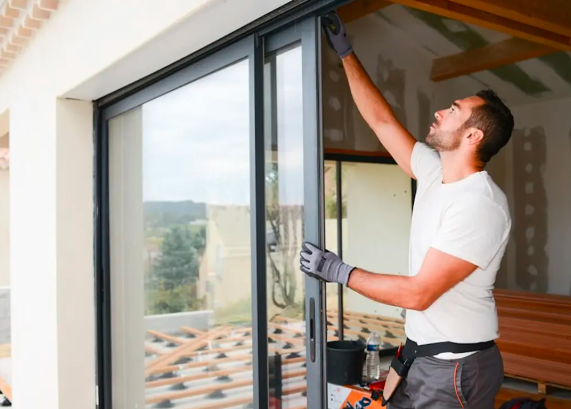
Beyond the door and basic installation, additional features can significantly increase the overall factors affecting door installation cost, as each upgrade adds to both material and labor expenses. Here is what can drive up your final bill:
- Smart Locks and Keypad Entry — Electronic and smart lock systems require technical installation and wiring, adding both product and labor costs compared to standard lock fitting.
- Weatherstripping and Sealing — Proper insulation and weatherproofing around the door frame improves energy efficiency but adds material and labor costs to the installation.
- Decorative Glass Panels — Adding glass inserts or sidelights enhances aesthetics but increases fragility, requires specialized framing, and raises the overall installation expense.
- Multi-Point Locking Systems — Advanced security locking mechanisms are more complex to install than standard locks, requiring skilled labor and premium hardware.
- Peepholes and Door Viewers — A small but precise addition that requires careful drilling and fitting, adding minor but notable costs to the overall project.
- Automatic Door Closers — Mechanical or hydraulic door closers require precise mounting and adjustment, adding to both hardware and labor costs.
- Paint or Finish Customization — Custom painting, staining, or finishing of the door adds material costs and skilled labor time, especially for premium or decorative finishes.
How to Save Money on Door Installation?
Understanding the factors affecting door installation cost can help you make smarter choices and cut unnecessary expenses without compromising on quality. Here are some practical ways to save money on your door installation:
Choosing Standard Sizes
Opting for standard door dimensions avoids custom manufacturing costs and eliminates the need for structural wall modifications. This simple choice can significantly reduce both material and labor expenses while still delivering a quality result.
Off-Season Scheduling
Booking your door installation during slower seasons such as late fall or winter means contractors are less in demand and more likely to offer competitive rates. Scheduling strategically can help you negotiate better deals and reduce overall labor costs.
Getting Multiple Quotes
Reaching out to at least three contractors allows you to compare labor rates and identify the most fair and competitive pricing available in your area. This step alone can save you a considerable amount on installation costs.
Buying Materials Separately
Purchasing your door and hardware independently from a supplier rather than through your contractor can often result in significant savings. Contractors typically mark up material costs, so sourcing them yourself gives you better control over your overall budget.
Frequently Asked Questions
How long does a typical door installation take?
A standard door installation takes anywhere from 1 to 3 hours, while complex installations involving structural modifications, custom frames, or specialty doors can take a full day or more depending on the scope of work.
Do I need a permit to install a new door?
In most cases, a simple door replacement does not require a permit, however if the installation involves structural wall modifications or changes to a load-bearing wall, a building permit may be required by your local authority.
Can I install a door myself to save money?
A basic interior door replacement can be a manageable DIY project for someone with moderate skills, but exterior doors, custom sizes, or installations requiring structural changes are best left to a professional to avoid costly mistakes.
How much does it cost to install a door on average?
The average door installation cost ranges from $150 to $1,500 or more depending on the door type, material, hardware, labor rates, and whether any structural modifications are required.
How often should a door frame be replaced?
A well-maintained door frame can last 20 to 30 years, but factors such as water damage, rot, pest infestation, or physical impact may require earlier replacement to ensure proper door function and security.
Does door installation cost differ for interior vs exterior doors?
Yes, exterior doors typically cost more to install than interior doors due to the need for weatherproofing, stronger hardware, enhanced security features, and more precise fitting to prevent energy loss.
What is the most durable door material for the money?
Fiberglass is widely considered the best value for durability, as it resists warping, denting, and rust, requires minimal maintenance, and offers excellent energy efficiency at a mid-range price point compared to wood or steel.
Conclusion
Understanding the factors affecting door installation cost empowers you to make informed decisions, plan your budget effectively, and avoid unexpected expenses throughout the process.
From door material and size to labor rates, frame condition, and security hardware, every element plays a role in determining your final installation cost.
By choosing the right materials, comparing contractor quotes, and planning smartly, you can achieve a high-quality door installation that fits your budget without compromising on safety or aesthetics.
Related artilces
18 Inch Deep Base Cabinets: A Smart Storage Solution for Every Kitchen
How to Clean Shower Tiles: Step-by-Step Guide for a Spotless Bathroom
How Do You Wash Walls Before Painting? (Step-by-Step Guide)