


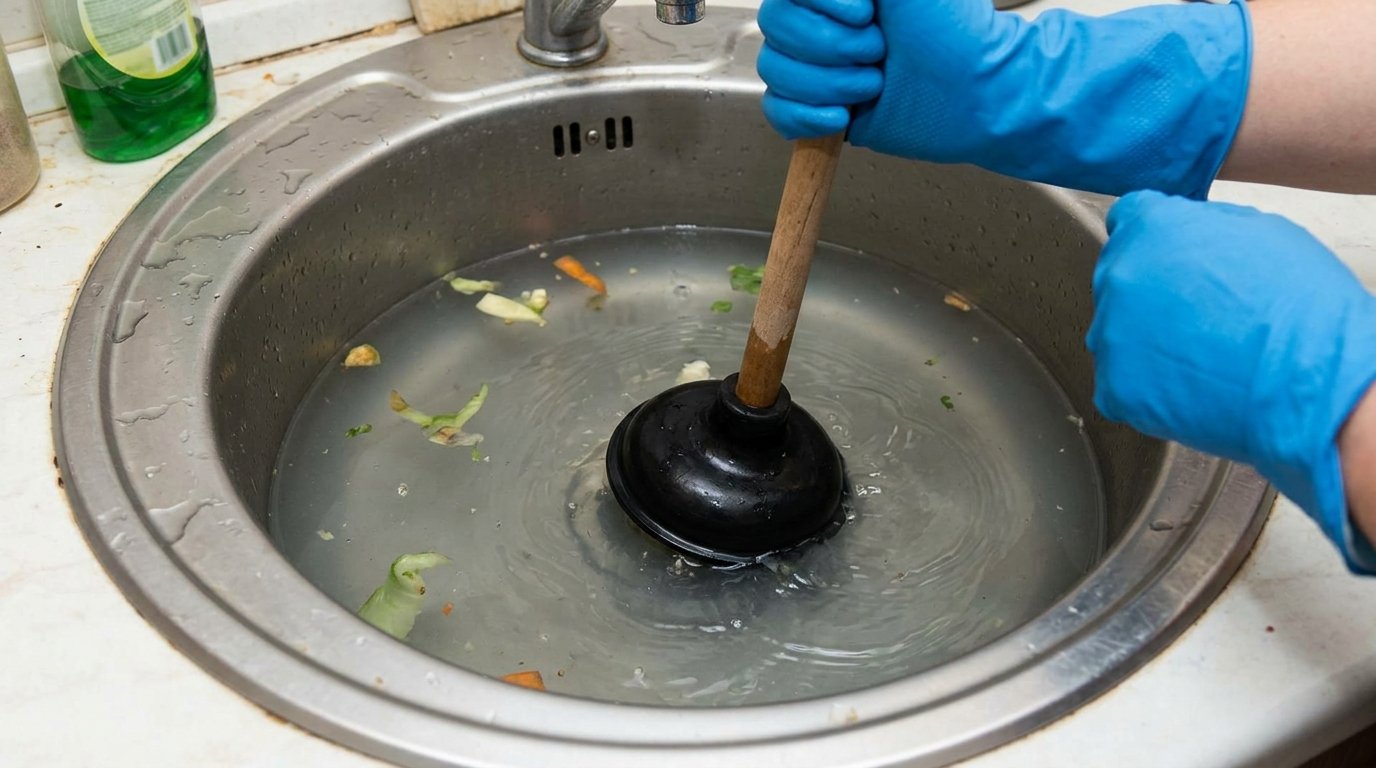

A clogged kitchen sink is one of the most common household problems that almost every homeowner faces at some point. Water pooling around dirty dishes, slow drainage, or a complete blockage can disrupt daily routines and create unpleasant smells in the kitchen. Learning how to unclog a kitchen sink with basic household items or simple tools can save both time and money, and it does not always require professional help.
Common Causes of a Clogged Kitchen Sink
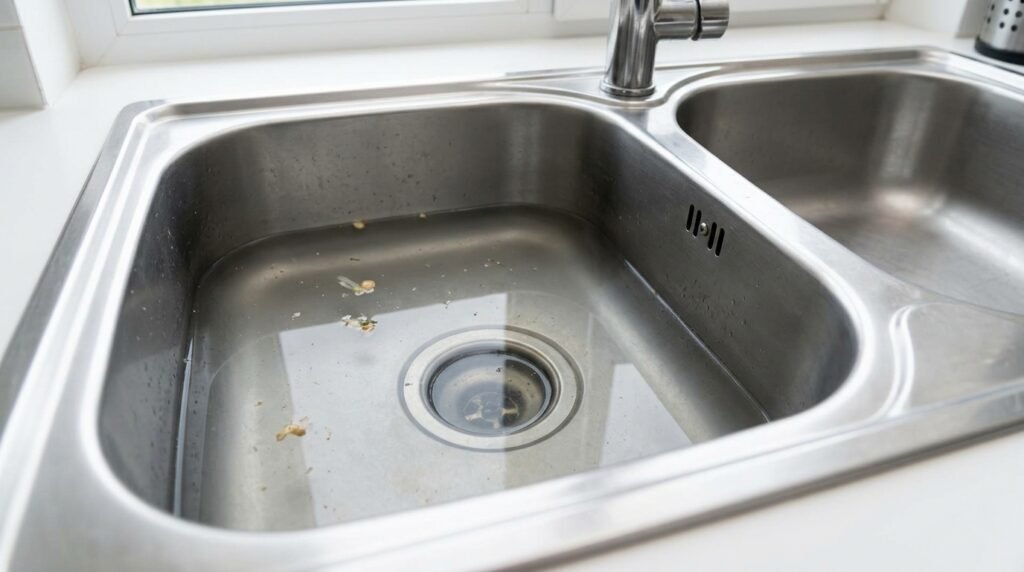
Before fixing the problem, it helps to understand why the sink got blocked in the first place. Most clogs build up slowly from everyday habits rather than happening suddenly.
Grease and Fat Buildup
Cooking oil, butter, and fat may look liquid when poured down the drain, but they solidify once they cool inside the pipes. Over weeks, this hardened layer traps other debris and narrows the pipe until water can barely pass through.
Food Particles and Scraps
Small bits of rice, pasta, coffee grounds, and vegetable peels often slip past the sink strainer unnoticed. These particles swell when they absorb water and stick together, eventually forming a thick mass that blocks the pipe entirely.
Soap Scum and Mineral Deposits
Old bar soap combined with hard water minerals can leave a sticky residue along the inner walls of pipes. This film gradually thickens and combines with other waste, reducing the diameter of the drainpipe over time.
Signs That Your Kitchen Sink Is Clogged
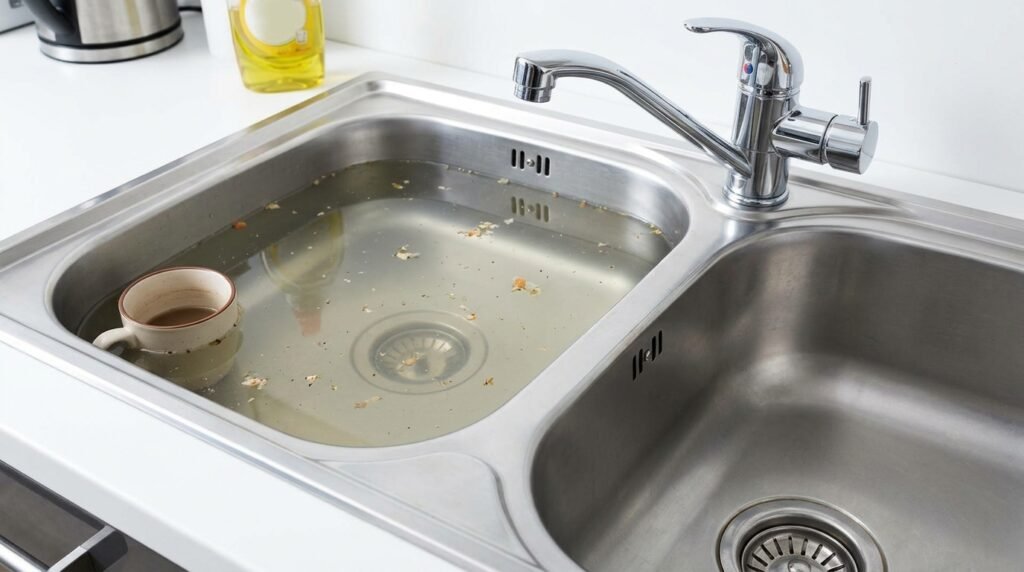
Recognizing early warning signs allows a person to act before the blockage becomes severe and harder to clear.
Slow Draining Water
If water takes noticeably longer to disappear after washing dishes, this is usually the first indication that something inside the pipe is restricting flow. It often starts gradually and gets worse each day if ignored.
Gurgling Sounds
Strange gurgling or bubbling noises coming from the drain happen when trapped air tries to escape past a partial blockage. This sound typically means the clog has already reduced a significant portion of the pipe’s width.
Unpleasant Odors
A bad smell rising from the drain is caused by trapped food particles and grease that begin to decompose inside the pipe. This odor tends to become stronger the longer the clog remains untreated.
Tools and Materials Needed to Unclog a Sink
Having the right tools ready before starting makes the unclogging process much smoother and prevents unnecessary mess.
Basic Household Items
A plunger, a bucket, rubber gloves, and an old towel are usually enough for handling minor to moderate clogs. These items are inexpensive and most households already have them stored somewhere at home.
Specialized Drain Tools
A drain snake or plumbing auger is useful for reaching deeper clogs that plungers cannot dislodge. These tools physically break apart or pull out the blockage instead of relying on pressure alone.
Step-by-Step Methods to Unclog a Kitchen Sink
Different clogs respond better to different techniques, so trying a few methods in order often produces the best results.
Boiling Water Method
Pouring boiling water slowly down the drain in stages can melt grease and loosen minor food-based blockages. This method works best on fresh clogs and should be repeated two or three times with short pauses between pours.
Baking Soda and Vinegar Method
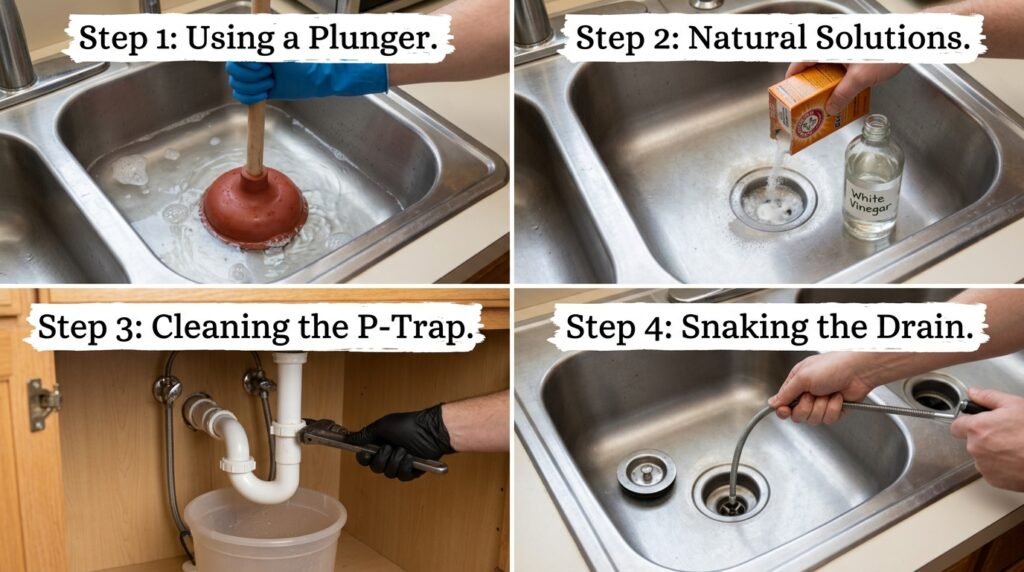
Mixing baking soda with vinegar creates a fizzing reaction that helps break down grease and organic buildup inside the pipe. After letting the mixture sit for about fifteen minutes, flushing it with hot water usually clears lighter clogs.
Plunger Method
Using a plunger creates suction and pressure that can physically dislodge a stubborn clog stuck inside the pipe. Covering the overflow opening and sealing the plunger tightly against the drain improves the effectiveness of each push.
Drain Snake Method
A drain snake is inserted into the pipe and rotated to catch or break apart the material causing the blockage. Slowly pulling it back out often removes hair, food debris, or built-up grease attached to the coil.
Checking the P-Trap
The P-trap is the curved pipe beneath the sink where solid debris frequently gets stuck and accumulates. Placing a bucket underneath, unscrewing the trap, and clearing out the trapped material by hand often solves persistent clogs quickly.
Comparison of Common Unclogging Methods
The table below compares popular methods based on effectiveness, cost, and effort required.
| Method | Effectiveness | Cost | Effort Level |
| Boiling Water | Good for fresh, minor clogs | Very Low | Low |
| Baking Soda and Vinegar | Moderate for grease buildup | Low | Low |
| Plunger | Good for most standard clogs | Low | Medium |
| Drain Snake | Excellent for deep or solid clogs | Medium | Medium |
| P-Trap Cleaning | Excellent for stuck debris | Low | Medium |
Preventing Future Kitchen Sink Clogs
Once the sink is clear, simple habits can prevent the same problem from returning too soon.
Using a Sink Strainer
A sink strainer catches food scraps and other solid particles before they enter the pipe system. Emptying it regularly into the trash instead of letting debris wash through keeps the drain much cleaner over time.
Avoiding Grease Disposal in the Drain
Pouring used cooking oil into a separate container instead of the sink prevents the buildup that causes most kitchen clogs. Letting grease cool and solidify before throwing it away is a simple habit that protects the pipes long term.
Regular Hot Water Flushing
Running hot water through the drain after washing dishes helps keep grease from sticking to the inner walls of the pipe. Doing this consistently reduces the speed at which new blockages form inside the plumbing system.
When to Call a Professional Plumber
Some clogs are simply beyond the reach of home remedies and require trained assistance to avoid further damage.
Recurring Clogs
If the same clog keeps returning despite repeated cleaning attempts, there may be a deeper structural issue within the pipe. A plumber can inspect the line with specialized equipment to identify problems that are not visible from the sink itself.
Multiple Drains Affected
When more than one drain in the house is slow or blocked at the same time, the issue is likely located in the main sewer line. This situation usually requires professional tools and expertise rather than sink-specific remedies.
How This Guide Compares to Other Resources
Many existing guides online repeat the same basic steps like using a plunger or baking soda without explaining why each method works or when to choose one over another. This guide focuses on connecting the cause of the clog to the most suitable fix, along with a clear comparison table so readers can decide quickly instead of guessing through trial and error.
Frequently Asked Questions
Can I use chemical drain cleaners instead of home remedies?
Chemical cleaners can work but may damage older pipes with repeated use, so natural methods are generally safer first steps.
How often should I clean my kitchen sink drain?
A light cleaning once every two to three weeks helps prevent grease and food buildup from turning into a full clog.
Is it normal for a new clog to form quickly after clearing one?
Frequent quick clogs usually point to a habit like grease disposal that needs to change rather than a one-time issue.
Conclusion
A clogged kitchen sink is usually manageable with simple household methods like boiling water, baking soda, plungers, or a drain snake. Understanding the cause behind the blockage makes it easier to choose the right fix and prevent it from happening again. When clogs persist despite these efforts, calling a professional plumber remains the safest way to protect the home’s plumbing system.
Related Articles
Glow in the Dark Epoxy Floor: The Ultimate Guide for Homeowners & Contractors
How to Get Rid of Gnats in Bathroom Fast
Cedar Fence Panels: Complete Buying and Installation Guide