


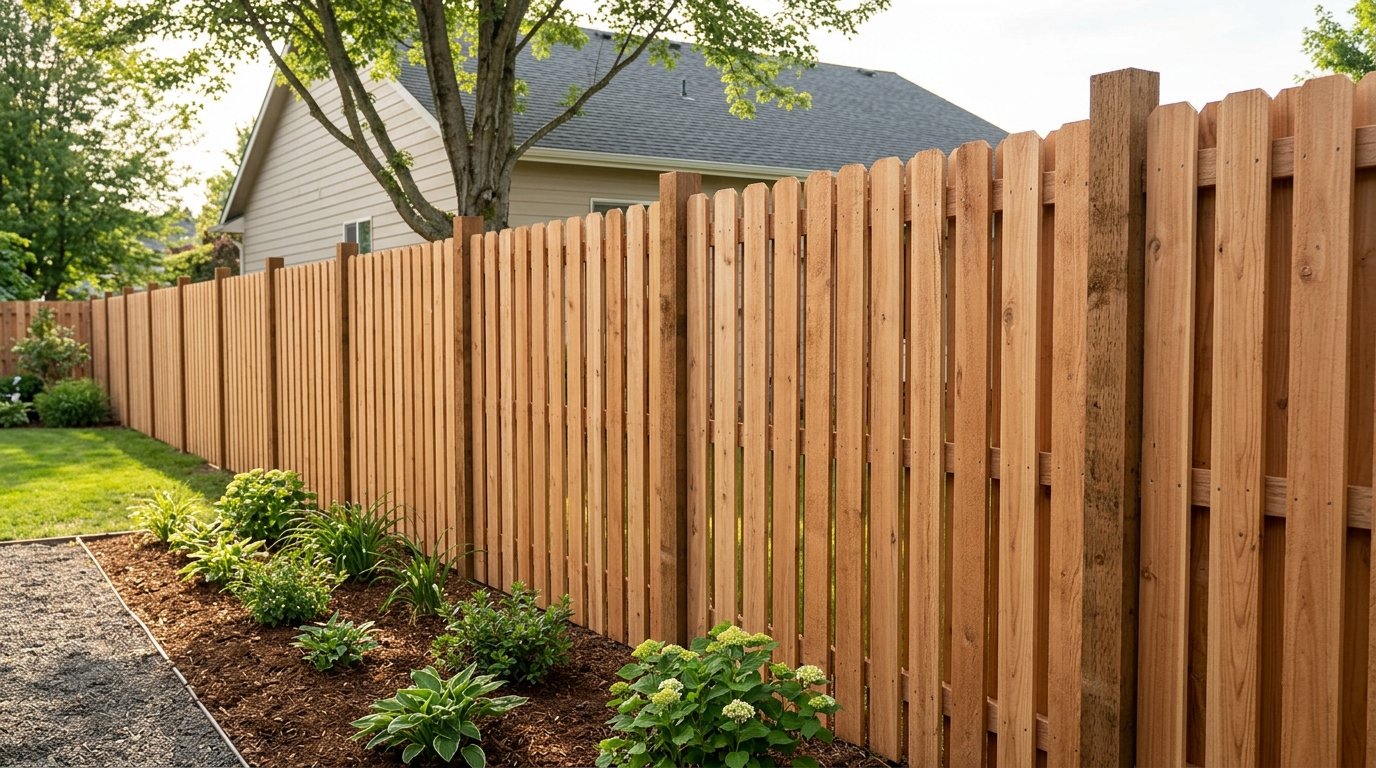

Cedar fence panels have become one of the most preferred fencing solutions for homeowners who want a balance of natural beauty, durability, and low maintenance.
Unlike many other wood types, cedar naturally resists rot, insects, and moisture damage, making it a long-term investment rather than a temporary fix. This guide walks through everything you need to know before choosing cedar fence panels for your property.
What Are Cedar Fence Panels
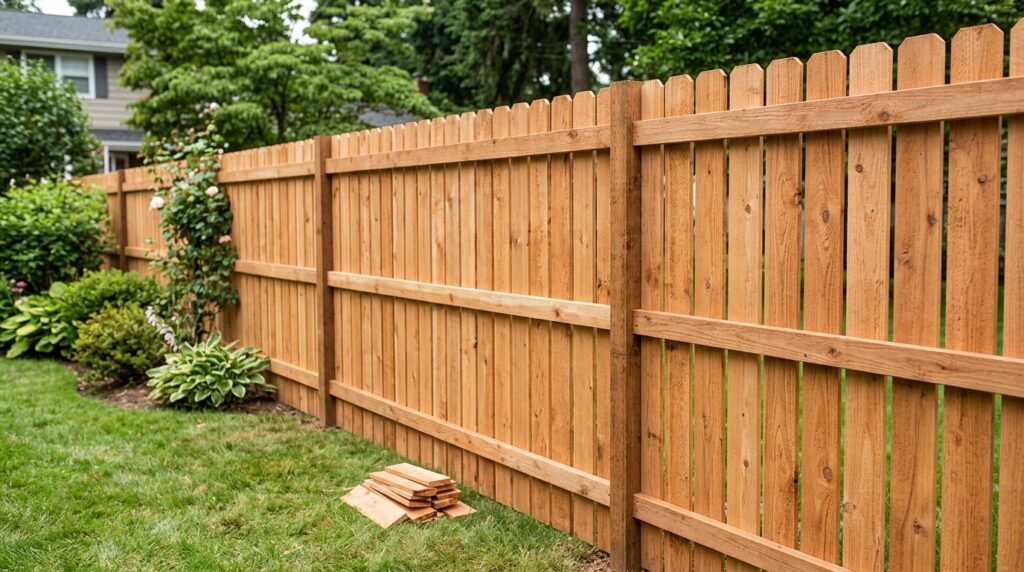
Cedar fence panels are pre-assembled wooden sections made from cedar wood, designed to be installed between posts to create a complete fence line. They come in various styles, heights, and finishes, allowing homeowners to match their fencing to the overall look of their home and landscape.
Basic Structure and Design
A typical cedar fence panel consists of vertical or horizontal boards attached to a frame, which is then mounted between fence posts. The frame provides structural stability, while the boards themselves create the visual style, whether that’s a solid privacy look or a more open, decorative pattern.
Common Sizes Available
Cedar fence panels are usually sold in standard widths of six or eight feet, with heights ranging from three feet for decorative garden fencing up to eight feet for full privacy screening. Choosing the right size depends on your property’s purpose, whether it’s for privacy, pet containment, or simple boundary marking.
Types of Cedar Fence Panels
There are several styles of cedar fence panels, each suited to different needs such as privacy, airflow, or decorative appeal. Below is a table summarizing the most common types available in the market.
| Panel Type | Best For | Privacy Level |
| Solid Privacy Panel | Backyards, pool areas | High |
| Board-on-Board Panel | Windy areas, shared views | High |
| Lattice Top Panel | Gardens, decorative borders | Medium |
| Shadowbox Panel | Neighborly shared fencing | Medium |
| Picket Style Panel | Front yards, low fencing | Low |
Solid Privacy Panels
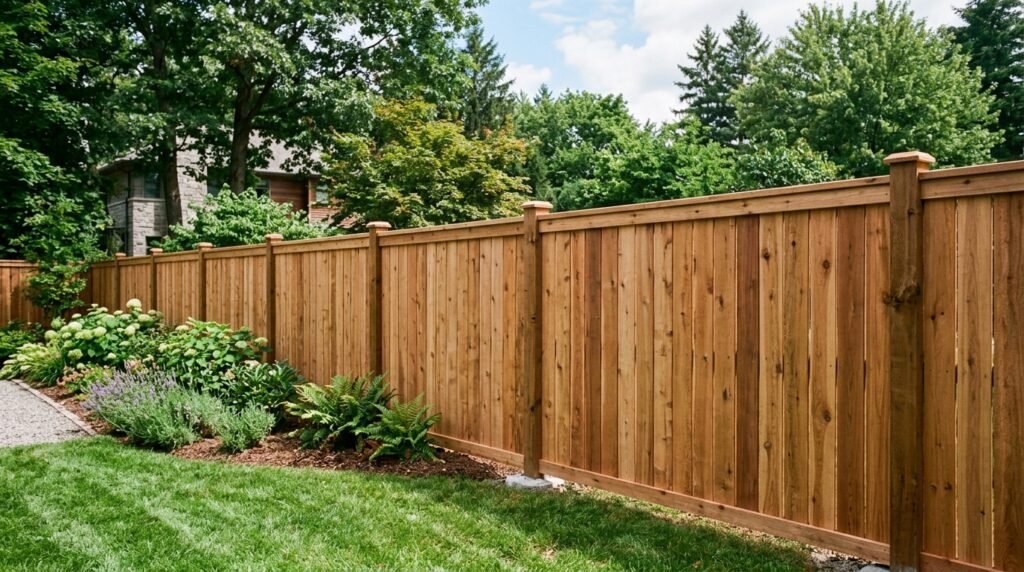
These panels use tightly fitted boards with no gaps, offering maximum privacy and blocking outside views completely. They are commonly used in backyards, around pools, or in areas where noise reduction is also a priority.
Lattice Top Panels
Lattice top panels combine a solid lower section with a decorative crisscross pattern on top, allowing light and air to pass through while still maintaining a defined boundary. This style is popular for gardens where a softer, more open appearance is desired.
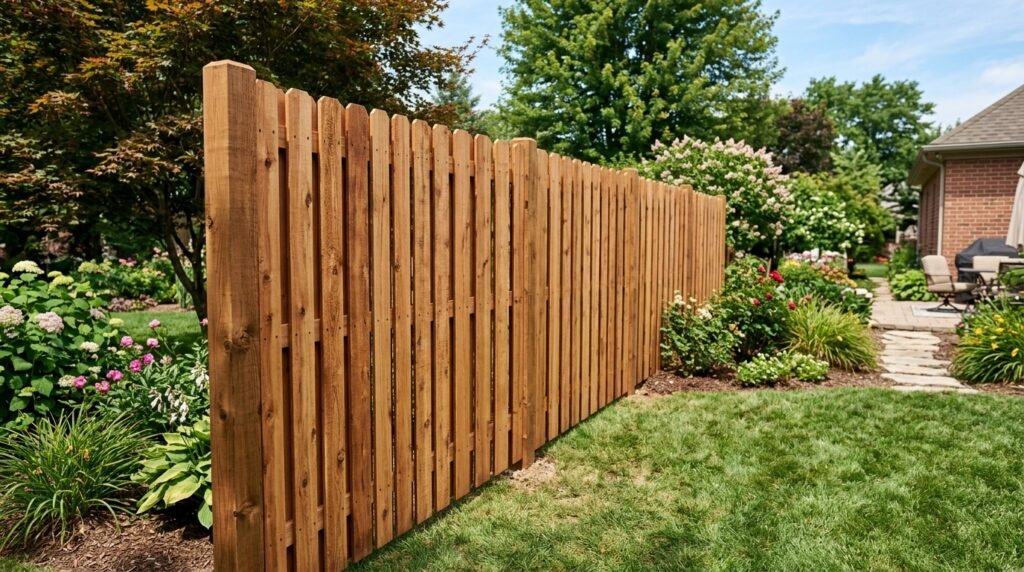
Shadowbox Panels
Shadowbox panels alternate boards on both sides of the frame, creating a fence that looks identical from either side. This design is ideal for properties where both neighbors want a finished appearance without one side seeing only the frame.
Benefits of Choosing Cedar Fence Panels
Cedar fence panels offer a combination of natural durability and visual appeal that few other fencing materials can match. The following sections break down the specific advantages that make cedar a top choice among homeowners.
Natural Resistance to Decay
Cedar contains natural oils and tannins that act as a built-in defense against rot, fungus, and moisture damage. This means cedar fence panels can last significantly longer than untreated wood options without needing chemical treatments right away.
Insect and Pest Resistance
The same natural oils that protect cedar from decay also make it unappealing to termites and other wood-boring insects. This reduces the risk of structural damage over time compared to softer woods like pine.
Aesthetic Appeal
Cedar has a warm, reddish-brown tone and a naturally attractive grain pattern that many homeowners prefer over painted or composite fencing. Over time, if left untreated, cedar weathers into an elegant silver-gray shade that many people find appealing rather than worn out.
Lightweight Yet Durable
Compared to hardwoods, cedar is relatively lightweight, making installation easier without sacrificing structural strength. This balance of weight and durability makes it a practical choice for both DIY installation and professional fence builders.
Cost Factors for Cedar Fence Panels
The price of cedar fence panels varies based on several factors including panel style, thickness, and regional availability. Understanding these cost drivers helps in budgeting accurately for a fencing project.
Panel Thickness and Grade
Higher-grade cedar with fewer knots and thicker boards costs more but offers better longevity and appearance. Lower-grade panels are more budget-friendly but may show more knots and slight imperfections in the wood.
Height and Style Impact
Taller panels and more complex designs, such as board-on-board or lattice tops, generally cost more due to the additional material and labor required. Simple picket-style panels tend to be the most affordable option for those on a tighter budget.
Installation Costs
Whether you install the panels yourself or hire a professional significantly affects the overall project cost. Professional installation adds labor charges but ensures proper post spacing, leveling, and long-term structural stability.
Installing Cedar Fence Panels
Proper installation is essential to ensure that cedar fence panels remain sturdy and functional for years to come. This section covers the key steps involved in a typical installation process.
Preparing the Fence Line
Before installation begins, the fence line should be measured and marked, checking local property boundaries and utility lines to avoid complications. Clearing debris, plants, and uneven ground along the path also helps create a smoother installation process.
Setting the Posts
Posts must be set at consistent intervals, typically matching the panel width, and secured with concrete for maximum stability. The depth of the post holes should account for local frost lines and soil conditions to prevent shifting over time.
Attaching the Panels
Once posts are secure and cured, cedar fence panels are attached using brackets or screws designed for outdoor use. Ensuring each panel is level before securing it prevents an uneven or sagging fence line later on.
Maintenance Tips for Longevity
While cedar is naturally durable, a small amount of regular maintenance can significantly extend the life of your fence panels. The following practices help keep cedar fencing looking good and structurally sound.
Sealing and Staining
Applying a sealant or stain every couple of years helps cedar retain its color and adds an extra layer of moisture protection. Without this step, cedar will naturally weather to a gray tone, which is not harmful but changes the original appearance.
Cleaning Routine
Periodic cleaning with a mild soap solution and a soft brush removes dirt, mildew, and algae buildup that can accumulate over time. Avoiding high-pressure washing is recommended, as it can damage the wood fibers and shorten the panel’s lifespan.
Checking for Damage
Regularly inspecting panels for cracks, loose boards, or insect activity allows for early repairs before small issues become major problems. Addressing minor damage promptly helps maintain the structural integrity of the entire fence line.
Cedar Fence Panels vs Other Fencing Materials
Comparing cedar to alternatives like vinyl, pine, or composite materials helps clarify why many homeowners still choose cedar despite newer options being available. Each material has trade-offs in cost, appearance, and maintenance needs.
Cedar vs Vinyl
Vinyl fencing requires almost no maintenance and doesn’t rot, but it lacks the natural warmth and authentic wood texture that cedar offers. Cedar also tends to blend more naturally with landscaping compared to the uniform, synthetic look of vinyl.
Cedar vs Pressure-Treated Pine
Pressure-treated pine is generally cheaper but relies on chemical treatments for rot resistance rather than natural oils. Cedar’s natural resistance often results in better long-term appearance and fewer chemical concerns for households with children or pets.
Frequently Asked Questions
How long do cedar fence panels typically last?
With proper maintenance, cedar fence panels can last between fifteen and twenty-five years, depending on climate and care.
Do cedar fence panels need to be sealed immediately after installation?
It’s best to let new cedar panels dry out for a few weeks before applying sealant or stain for better absorption.
Are cedar fence panels a good option for coastal areas?
Yes, cedar’s natural moisture resistance makes it suitable for humid or coastal environments, though sealing is recommended more frequently.
Can cedar fence panels be painted instead of stained?
Yes, cedar can be painted, though staining is more popular since it preserves the natural wood grain and texture.
Conclusion
Cedar fence panels offer a strong combination of natural durability, visual appeal, and reasonable maintenance requirements, making them a smart choice for most residential fencing needs. Whether prioritizing privacy, decoration, or long-term value, cedar remains a competitive option compared to vinyl, pine, or composite alternatives.
Related Articles
Garage Door Bottom Seal Replacement: Complete Guide for Homeowners
How to Clean and Store Kitchen Tools: The Complete Guide
How to Clean Vinyl Floors: The Complete Step-by-Step Guide
How Much Does a Retaining Wall Cost? Complete Guide 2026
Can Gutter Hangers Prevent Gutter Damage from Roof Avalanche?