

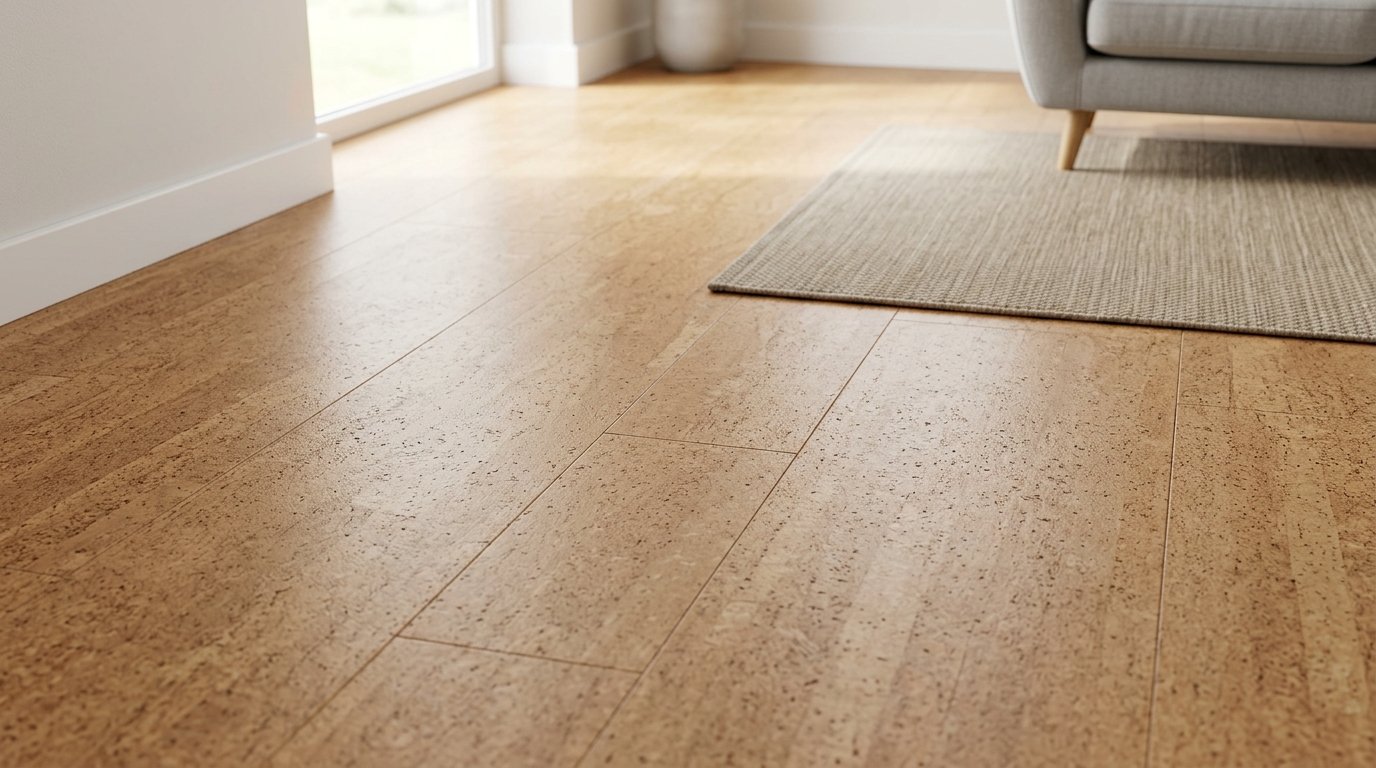

Cork flooring is soft, warm, and naturally resistant to allergens, but it still needs the right cleaning routine to stay in good shape. Knowing how to clean cork flooring properly helps you avoid damage from excess water, harsh chemicals, or abrasive tools that can wear down its protective sealant over time.
Why Cork Flooring Needs Special Care
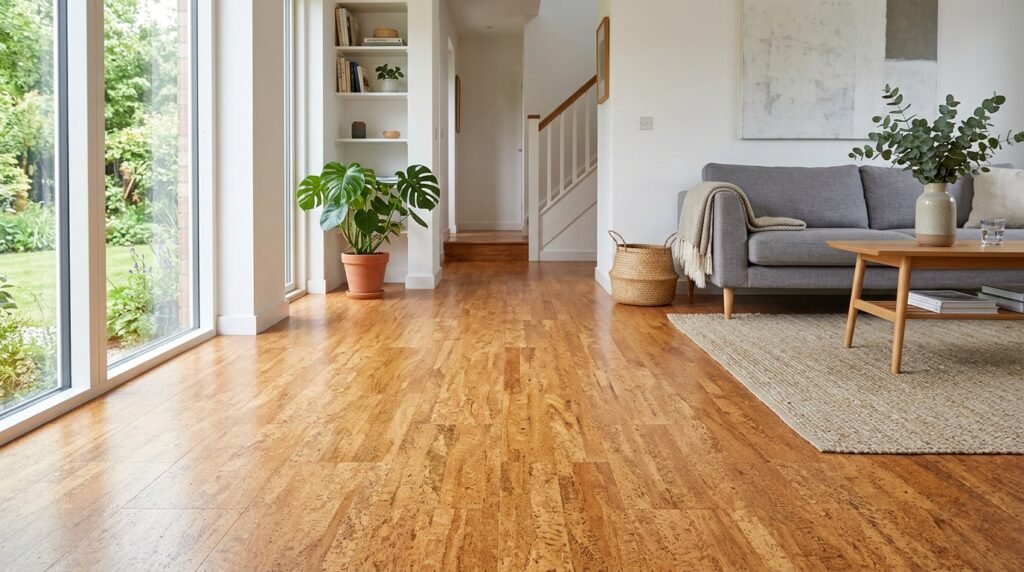
Cork is a porous, natural material that reacts differently to moisture and chemicals compared to tile or vinyl. Understanding this before you clean helps you choose the right products and methods for your floor.
Cork Absorbs Moisture Easily
Unlike ceramic or stone floors, cork has a cellular structure that can soak up water if it seeps past the protective coating. This is why standing water or soaking mops are one of the biggest risks to cork floors.
Wiping up spills quickly and using barely damp cloths instead of wet ones keeps the material from swelling or warping.
Harsh Chemicals Break Down the Sealant
Cork floors are usually finished with a wax or polyurethane sealant that acts as a barrier against dirt and moisture. Strong ammonia-based cleaners, bleach, or vinegar solutions can slowly strip this coating away, leaving the cork exposed and vulnerable.
Choosing pH-neutral cleaners designed for sealed wood or cork floors helps preserve that protective layer for years.
Scratches Show Easily on Cork
Because cork is softer than hardwood, it can scratch or dent under heavy furniture or sharp debris. Sweeping regularly and using felt pads under furniture legs reduces the risk of visible marks.
This softness is part of what makes cork comfortable to walk on, but it also means cleaning tools need to be gentle rather than abrasive.
Daily and Weekly Cleaning Methods
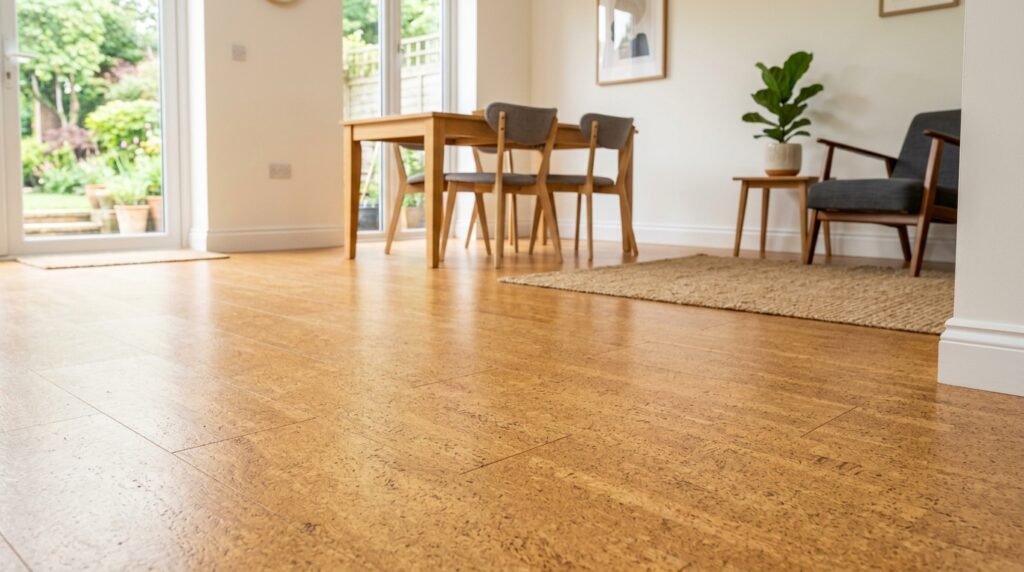
Regular light cleaning is the foundation of good cork floor care and prevents dirt from building up into something harder to remove. These routine habits take only a few minutes but make a noticeable difference over time.
Sweep or Dust Mop Daily
A soft-bristled broom or a microfiber dust mop is ideal for picking up loose dirt, sand, and pet hair before they scratch the surface underfoot. Doing this daily in high-traffic areas like kitchens and hallways keeps grit from grinding into the cork’s finish.
Vacuuming with a hardwood floor attachment also works well, as long as the beater bar is turned off.
Damp Mop Weekly
Once a week, a lightly damp mop with a mild, cork-safe cleaner helps lift dust and light grime that sweeping alone cannot catch.
The mop should be wrung out thoroughly so it leaves the floor only slightly moist, never wet or puddled. Working in small sections and drying the area with a clean towel afterward prevents any water from sitting on the surface too long.
Wipe Spills Immediately
Any liquid spill, from water to coffee to pet accidents, should be blotted up as soon as it happens rather than left to dry on its own.
A soft cloth or paper towel works best, followed by a quick wipe with a barely damp cloth if needed. Letting spills sit is one of the fastest ways to cause staining or moisture damage on cork.
Deep Cleaning and Stain Removal

Beyond routine maintenance, cork floors occasionally need a more thorough cleaning to handle stubborn dirt, scuffs, or stains that build up over weeks or months. This deeper approach should still respect cork’s sensitivity to moisture and chemicals.
Use a pH-Neutral Cleaner
For a deeper clean, mix a small amount of pH-neutral floor cleaner with warm water rather than using strong household cleaners. This type of solution lifts grime without leaving a residue or dulling the floor’s natural sheen.
Testing any new product in a hidden corner first is a smart precaution before applying it across the whole room.
Treat Stubborn Stains Gently
For marks like grease, ink, or scuff marks, a soft cloth dampened with a small amount of mild soap solution usually works better than scrubbing hard. Rubbing too aggressively can wear through the finish and expose the raw cork underneath.
Patience and light pressure, repeated a few times if necessary, are more effective than one harsh scrubbing session.
Reapply Wax or Sealant When Needed
Over time, especially in high-traffic homes, the protective coating on cork floors can wear thin and may need to be reapplied every few years. Re-waxing or resealing restores the barrier that keeps moisture and dirt from penetrating the cork itself.
Checking the manufacturer’s recommendations helps determine the right product and schedule for your specific flooring.
Table: Recommended Cleaning Frequency for Cork Flooring
| Task | Frequency | Tools Needed |
| Sweeping or dusting | Daily | Soft broom or microfiber dust mop |
| Damp mopping | Weekly | Damp mop, pH-neutral cleaner |
| Spill cleanup | As needed | Soft cloth, paper towel |
| Deep cleaning | Monthly | Mild cleaner, soft cloth |
| Resealing or waxing | Every 2-3 years | Cork-safe sealant or wax |
What to Avoid When Cleaning Cork Floors
Certain habits and products can quietly damage cork flooring even when the intention is to clean it well. Being aware of these common mistakes helps protect your investment.
Skip Steam Mops and Excess Water
Steam mops push moisture and heat directly into the cork’s surface, which can cause warping, bubbling, or separation of the seams.
Even regular mops should never be soaking wet, since standing water is cork’s biggest enemy. Always err on the side of using less liquid than you think you need.
Avoid Wax-Based Products on Polyurethane Finishes
If your cork floor has a polyurethane finish rather than a wax finish, using wax-based cleaners can create a cloudy or sticky buildup on the surface.
Checking which type of finish your floor has before choosing a product prevents this mismatch. Manufacturer guides or the original flooring installer are good sources to confirm this detail.
Don’t Use Abrasive Scrub Pads
Scouring pads, steel wool, or stiff-bristled brushes can scratch through the finish and into the cork material itself. Soft cloths, microfiber mops, and gentle sponges are safer choices for every stage of cleaning. If a stain needs extra effort, more time and a gentler tool work better than more force.
Conclusion
Cleaning cork flooring comes down to a few consistent habits: regular sweeping, light damp mopping, quick spill cleanup, and gentle products that respect the material’s natural sensitivity to water and harsh chemicals. Following this routine keeps cork floors looking warm and inviting while protecting the sealant that gives them their durability. With the right approach, cork flooring can stay in great condition for many years without needing major repairs or replacement.
FAQs
Can I use vinegar to clean cork flooring?
Vinegar is acidic and can gradually wear down the protective sealant on cork floors, so it is best avoided in favor of pH-neutral cleaners made for sealed floors.
How often should cork floors be resealed?
Most cork floors benefit from resealing or rewaxing every two to three years, though high-traffic areas may need it sooner depending on wear.
Is a steam mop safe for cork flooring?
Steam mops are not recommended because the combination of heat and moisture can cause the cork to warp or the seams to separate over time.
What is the best way to remove scuff marks from cork floors?
A soft cloth with a small amount of mild soap solution, applied with light pressure, is usually enough to lift scuff marks without damaging the finish.
Related Articles
Basement Crawl Space Waterproofing: Complete Guide
Roof Repairs Worcester: Your Complete Local Guide to a Safe and Lasting Roof
What Is an Asbestos Stucco Ceiling? Learn the risks and stay safe.
Pot Lights in Cathedral Ceiling: A Complete Planning and Installation Guide
Can Gutter Hangers Prevent Gutter Damage from Roof Avalanche?