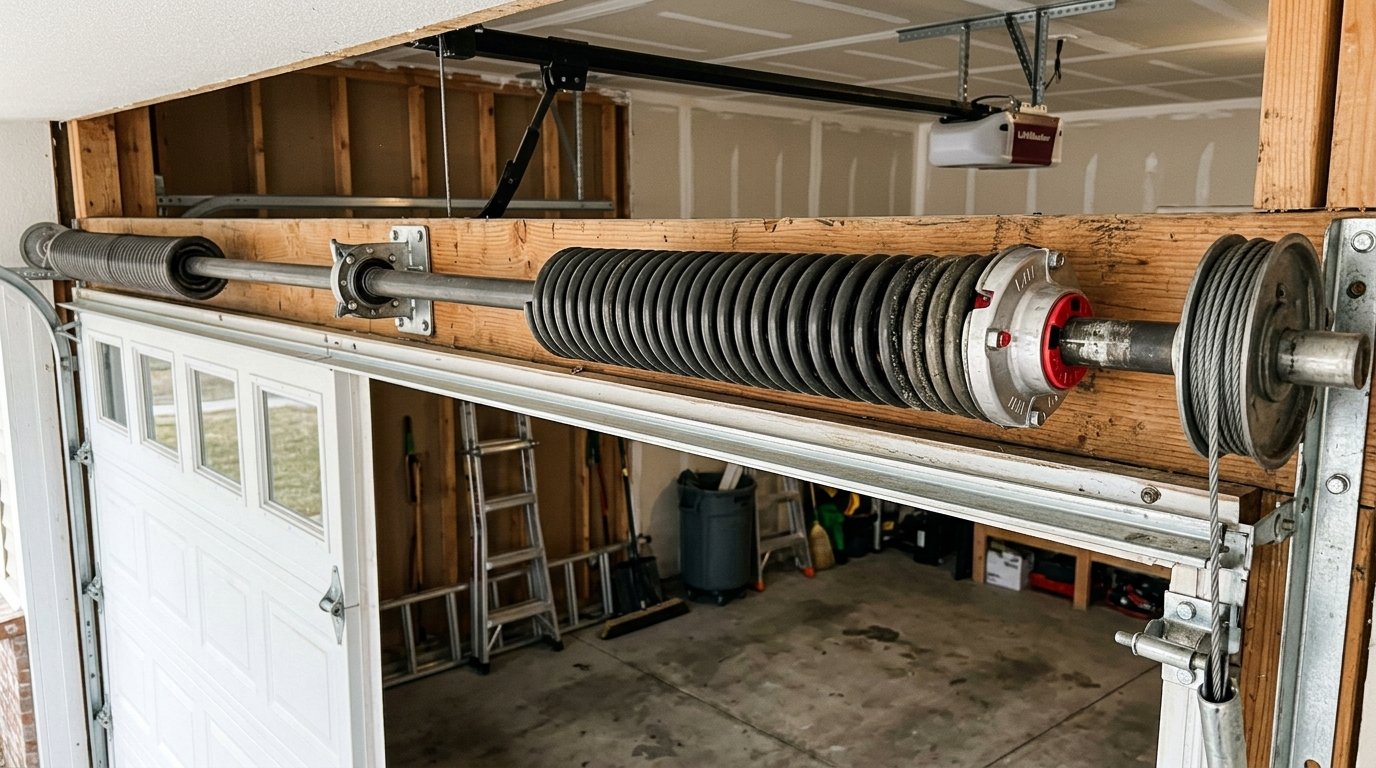

Garage door springs typically last between seven and twelve years or around ten thousand open and close cycles, depending on the type and quality of the spring installed. Understanding this lifespan helps homeowners plan for maintenance and avoid sudden garage door failures.
Understanding Garage Door Spring Basics
Garage door springs carry the entire weight of the door, allowing it to open and close smoothly using stored tension. Knowing how these springs function makes it easier to understand why their lifespan varies between homes.
How Springs Support the Door
Springs counterbalance the heavy weight of a garage door, reducing the strain on the opener motor with every use. Without properly functioning springs, the door would be too heavy to lift manually or with a standard motor. This balancing role is why spring wear directly affects overall door performance.
Cycle Based Lifespan Explained
Manufacturers measure spring lifespan in cycles rather than years, with one cycle being a single open and close movement of the door. A standard spring is often rated for around ten thousand cycles before replacement becomes necessary. Households that open their garage door frequently will naturally reach this cycle limit sooner than others.
Types of Garage Door Springs and Their Lifespan
Different spring types offer varying durability, cost, and safety features, which directly influence how long they typically last. Choosing the right type depends on your garage door’s weight and usage frequency.
Torsion Springs
Torsion springs are mounted horizontally above the garage door and are known for their durability, often lasting longer than other spring types. They handle heavier doors more efficiently and tend to wear more evenly over time. Most modern garages use torsion springs due to their improved safety and smoother operation.
Extension Springs
Extension springs are mounted on either side of the door track and are generally more affordable but wear out slightly faster than torsion springs. They stretch and contract with each door movement, which can lead to quicker fatigue over time. Homes with lighter garage doors often use this type due to lower cost.
Here is a quick comparison table summarizing typical lifespans by spring type:
| Spring Type | Average Lifespan in Cycles | Typical Lifespan in Years |
| Torsion Spring | 10,000 to 20,000 cycles | 10 to 15 years |
| Extension Spring | 7,000 to 10,000 cycles | 7 to 10 years |
Factors That Affect Garage Door Spring Lifespan
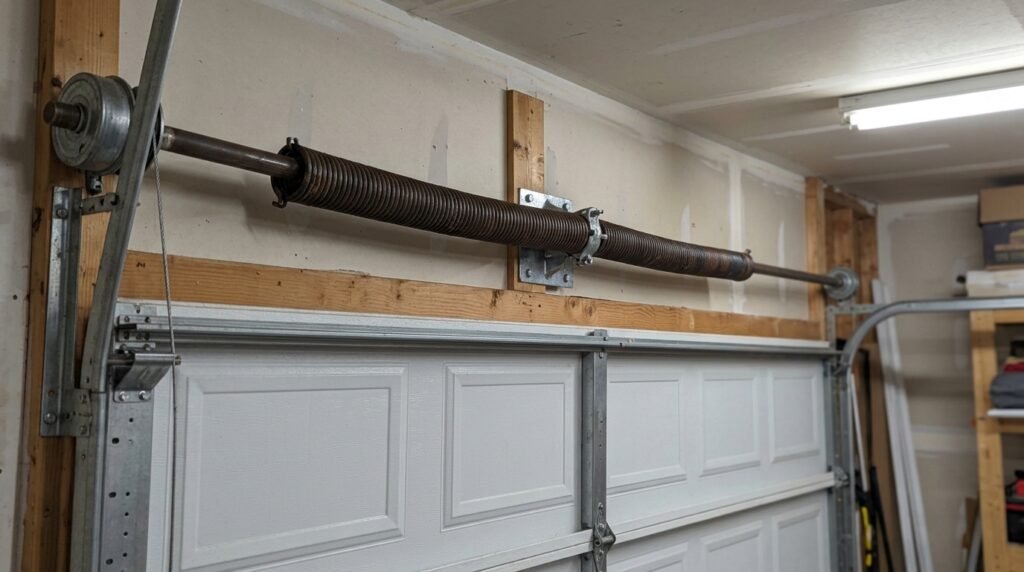
Several everyday factors influence how quickly garage door springs wear out, beyond just their basic type or cycle rating. Recognizing these factors helps homeowners extend the life of their springs through better care.
Frequency of Garage Door Use
Households that open and close their garage door multiple times daily will naturally put more strain on the springs compared to occasional use. This increased frequency shortens the time it takes to reach the spring’s rated cycle limit. Families with multiple vehicles or frequent errands often experience faster spring wear as a result.
Climate and Weather Exposure
Extreme temperature changes and humidity can cause metal springs to expand, contract, or corrode more quickly than in stable climates. Garages located in coastal or highly humid areas may see faster rust formation on springs. This environmental wear can shorten the expected lifespan even if usage remains moderate.
Quality of Spring Material
Higher quality springs made from durable steel alloys tend to resist fatigue and corrosion better than cheaper alternatives. Investing in better quality springs during replacement often results in a longer lifespan overall. This is an important consideration when choosing replacement parts rather than just picking the lowest priced option.
Signs Your Garage Door Springs Are Wearing Out
Recognizing early warning signs of spring wear helps prevent sudden door failures or potential safety hazards. Paying attention to subtle changes in door movement can save on emergency repair costs.
Unusual Noises During Operation
Loud creaking, popping, or grinding sounds when opening or closing the door often indicate that springs are losing tension or becoming worn. These noises typically become more noticeable as the spring approaches the end of its lifespan. Ignoring this warning sign can eventually lead to complete spring failure.
Door Opening or Closing Unevenly
If one side of the garage door appears higher than the other during movement, this often points to uneven spring tension or wear. This imbalance puts extra strain on the opener motor and can worsen over time if left unaddressed. Noticing this early allows for a smoother, safer repair process.
Visible Gaps or Rust on Springs
Physical inspection may reveal visible gaps between spring coils or rust spots forming along the metal surface. These visual cues are strong indicators that the spring is nearing the end of its functional life. Regularly checking for these signs can help homeowners plan replacement before a complete failure occurs.
When to Replace Garage Door Springs
Knowing when replacement is necessary, rather than waiting for complete failure, improves safety and prevents unexpected disruptions to daily routines. Timing the replacement well also avoids emergency repair costs.
Reaching the Cycle Limit
Once a spring approaches its rated cycle limit, replacement should be considered even if it still appears to function normally. Waiting until complete failure increases the risk of sudden breakage, which can be dangerous given the tension involved. Proactive replacement based on cycle estimates is generally safer than reactive repairs.
After Visible Damage or Failure
If a spring visibly breaks or shows significant rust and deformation, immediate replacement is necessary to avoid further damage to the opener or door track. Continuing to use a damaged spring can strain other components and lead to more expensive repairs. Prompt action here protects both the door system and household safety.
Extending the Lifespan of Garage Door Springs
While springs eventually wear out regardless of care, certain maintenance habits can help maximize their functional lifespan. Simple, regular upkeep goes a long way in preventing premature failure.
Regular Lubrication
Applying a silicone based lubricant to springs every few months reduces friction and helps prevent rust formation over time. This simple habit can noticeably extend the smooth operation of the springs. Avoiding heavy grease, which attracts dust and debris, is recommended instead.
Professional Inspections
Having a professional inspect the springs annually helps catch early signs of wear that might not be obvious to homeowners. Technicians can also check tension balance and alignment issues that affect spring longevity. This proactive step often prevents costly emergency repairs later.
Competitor Content Analysis
Many existing articles on this topic mention a general lifespan estimate but do not explain the difference between cycle based and year based measurements clearly. Few guides break down lifespan by spring type with a clear comparison or explain how climate and maintenance habits affect longevity. This guide addresses those gaps by combining detailed lifespan factors, warning signs, and maintenance tips in one place.
Conclusion
Garage door springs generally last between seven and fifteen years depending on their type, usage frequency, and maintenance habits. By understanding cycle based wear, recognizing early warning signs, and following simple upkeep steps, homeowners can extend spring life and avoid unexpected garage door failures.
Frequently Asked Questions
How long do garage door springs last on average?
Most garage door springs last between seven and fifteen years, depending on the spring type and how frequently the door is used.
Do torsion springs last longer than extension springs?
Yes, torsion springs generally last longer and handle heavier doors more efficiently compared to extension springs.
What causes garage door springs to wear out faster?
Frequent use, extreme climate exposure, and lower quality materials can all contribute to faster spring wear over time.
Can I replace garage door springs myself?
Due to the high tension involved, spring replacement is generally recommended to be handled by a trained professional for safety reasons.
How can I tell if my garage door spring needs replacing?
Unusual noises, uneven door movement, and visible rust or gaps in the spring coils are common signs that replacement is needed.
Related Articles
Carbon Fiber Straps for Basement Walls: Complete Guide 2026
Glow in the Dark Epoxy Floor: The Ultimate Guide for Homeowners & Contractors
Wet Floor Sign: A Complete Guide 2026