


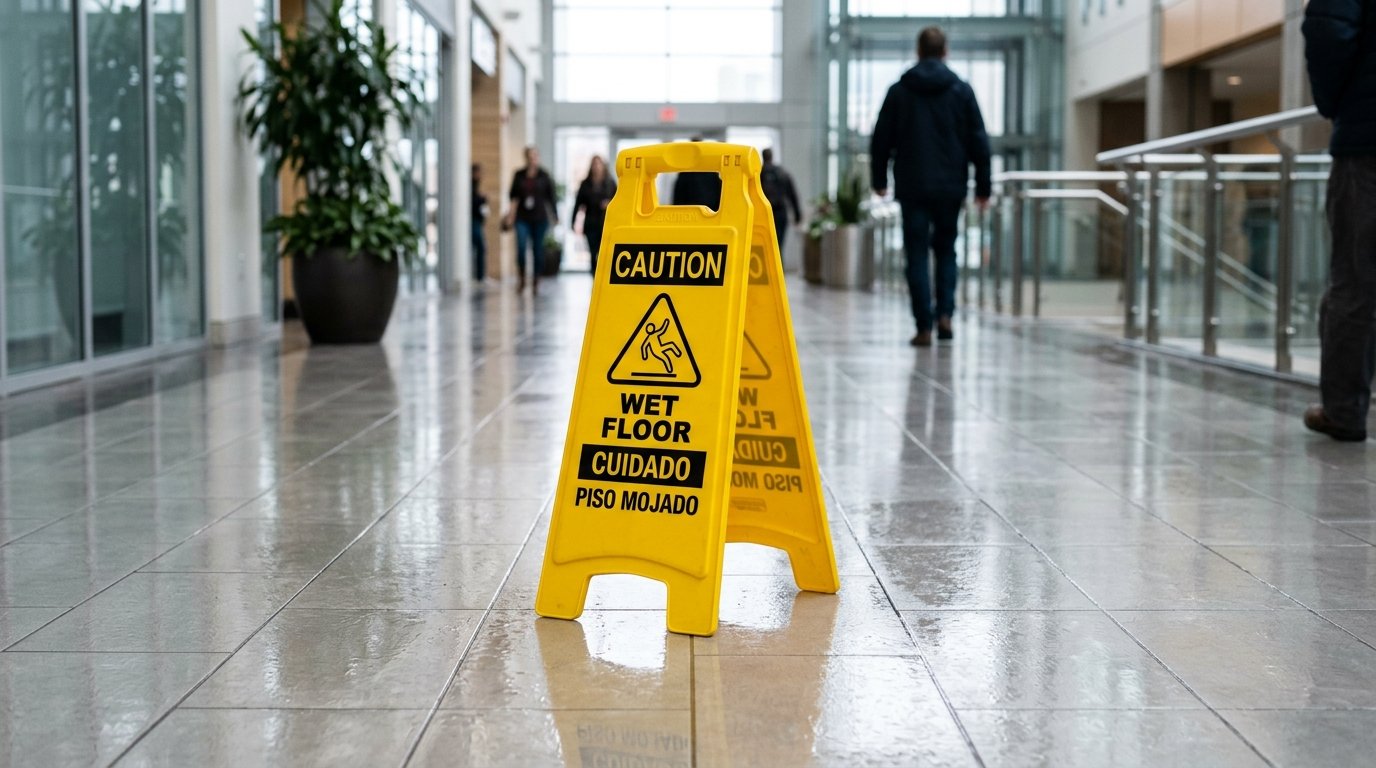

A wet floor sign is one of the simplest yet most effective tools used to prevent slip and fall accidents in homes, offices, and public spaces. Despite its basic design, this small warning sign plays a huge role in workplace safety and liability protection. In this guide, we will explore everything related to a wet floor sign, from its purpose to its different types and best practices for use.
What Is a Wet Floor Sign?
A wet floor sign is a portable warning device placed on slippery or recently cleaned floors to alert people of potential hazards. It acts as a visual cue that reduces the risk of accidental falls in busy environments.
Purpose of the Sign
The main purpose of a wet floor sign is to inform people that the surface ahead may be slippery due to cleaning, spills, or weather conditions. It serves as a preventive measure rather than a reactive one, helping avoid injuries before they occur. Businesses use it as a standard part of their daily safety routine.
Common Situations for Use
Wet floor signs are commonly used after mopping, during rainy seasons when floors get wet from foot traffic, or when liquid spills happen unexpectedly. Restaurants, malls, hospitals, and schools rely on these signs throughout the day. Even homes sometimes use smaller versions during cleaning tasks.
Why Wet Floor Signs Are Important
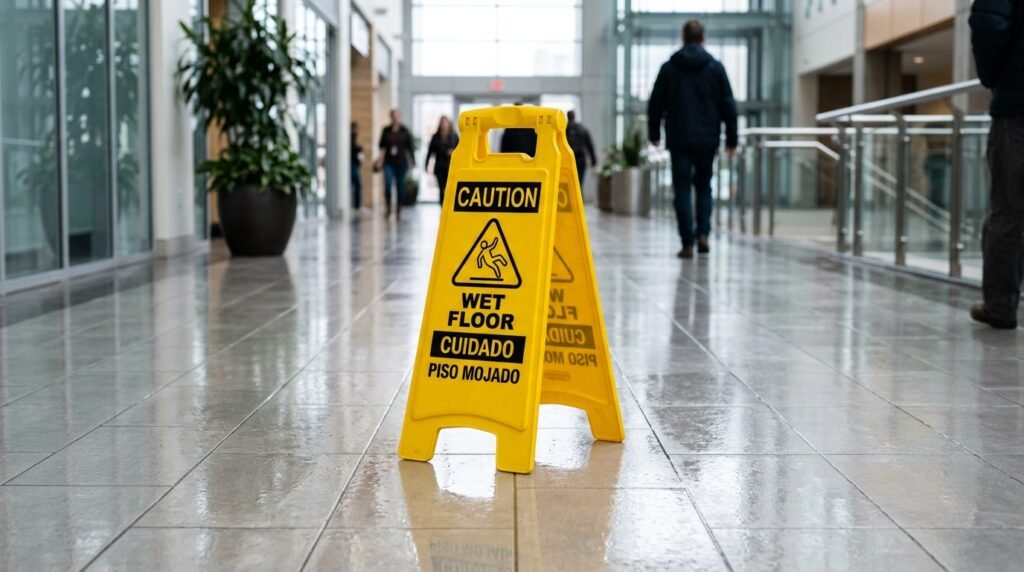
Every business and property owner has a responsibility to maintain a safe environment for visitors and employees. A wet floor sign helps fulfill that responsibility in a simple and cost-effective way.
Preventing Accidents
Slip and fall accidents are among the most common workplace injuries reported every year. Placing a wet floor sign immediately after mopping or spill cleanup significantly lowers the chances of someone slipping. This small step can prevent serious injuries like fractures or head trauma.
Legal and Liability Protection
Many countries and states have safety regulations requiring visible warning signs on wet surfaces. Failing to display a wet floor sign can result in legal liability if someone gets injured on the property. Courts often consider whether proper warning signage was present when determining fault in slip and fall cases.
Types of Wet Floor Signs
Wet floor signs come in different designs and materials, each suited for specific environments and usage frequency.
Foldable A-Frame Signs
Foldable A-frame signs are the most widely used type because they are lightweight, easy to store, and simple to set up. These signs typically feature bright yellow color with bold text and an icon of a person slipping. Their two-sided visibility makes them effective in hallways and open areas.
Cone-Shaped Signs
Cone-shaped wet floor signs are compact and often used in tighter spaces where an A-frame sign might not fit well. They usually have printed warnings on all sides for 360-degree visibility. These are popular in retail stores and narrow corridors.
Digital or LED Signs
Digital or LED wet floor signs are a modern alternative that uses light-up displays to increase visibility, especially in dim areas. These signs are more expensive but offer better visibility during nighttime or low-light conditions. They are commonly seen in airports and large commercial buildings.
Materials Used in Wet Floor Signs
The material of a wet floor sign affects its durability, weight, and suitability for different environments.
Plastic Signs
Plastic is the most common material because it is lightweight, affordable, and resistant to moisture damage. Most plastic signs are made from polypropylene, which can withstand daily wear and tear. They are easy to clean and maintain over long periods of use.
Metal Signs
Metal wet floor signs are more durable and suited for industrial settings where signs may face rougher handling. Although heavier, they last longer and resist bending or cracking compared to plastic versions. These are ideal for factories and warehouses with heavy foot traffic.
Where to Place a Wet Floor Sign
Proper placement of a wet floor sign is just as important as having one available in the first place.
Entry Points and High-Traffic Areas
Signs should always be placed near entry points where rain or spills are more likely to create hazards. High-traffic areas such as hallways, staircases, and restrooms require consistent monitoring and quick sign placement. This ensures visitors notice the warning before stepping onto the wet surface.
During and After Cleaning
It is essential to place the wet floor sign both during the cleaning process and for a period afterward until the floor is completely dry. Many accidents happen after cleaning is finished but the floor remains damp. Keeping the sign up a bit longer adds an extra layer of protection.
Comparison of Wet Floor Sign Types
| Sign Type | Material | Best Use Case | Durability |
| Foldable A-Frame | Plastic | General indoor use | Moderate |
| Cone-Shaped | Plastic | Narrow spaces | Moderate |
| Digital/LED | Plastic/Metal | Low-light areas | High |
| Metal Sign | Metal | Industrial settings | High |
Competitor Content Analysis
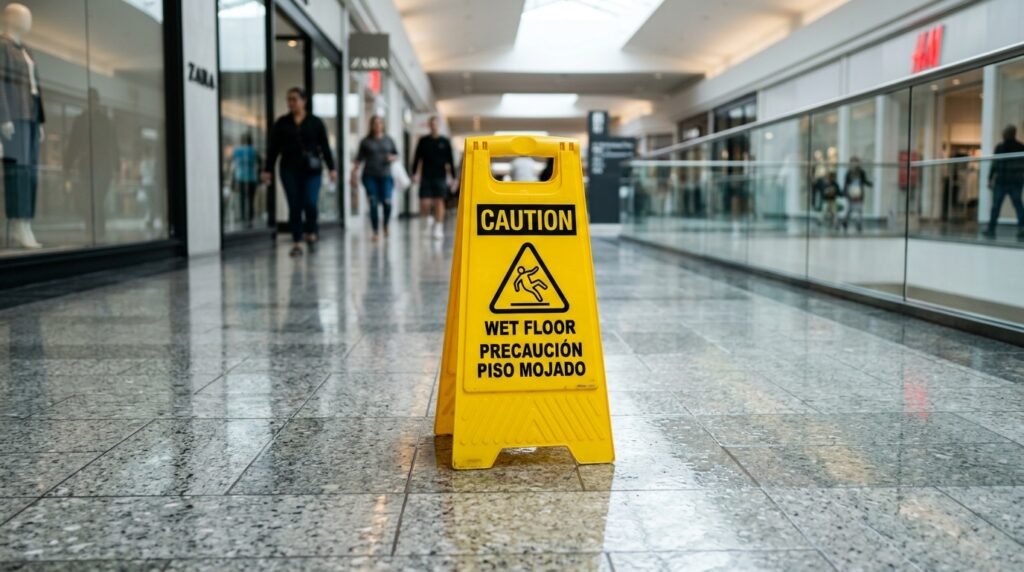
Most existing articles on wet floor signs online focus only on definitions and safety tips without going deeper into material comparisons or practical placement strategies. Many competitor pages repeat generic information about slip hazards without discussing sign types in detail or offering a structured comparison table. This article stands out by combining safety insights, material analysis, and placement guidance in one clear, organized format that gives readers more practical value.
Frequently Asked Questions
Is a wet floor sign legally required?
In many regions, businesses are legally required to display warning signs on wet or slippery surfaces to avoid liability in case of accidents.
How long should a wet floor sign stay out?
It should remain in place until the floor is completely dry, even after active cleaning has finished.
Can a wet floor sign be used outdoors?
Yes, weather-resistant versions made from durable plastic or metal are suitable for outdoor use during rain or snow.
Conclusion
A wet floor sign may seem like a small object, but its role in preventing accidents and protecting businesses from liability is significant. Choosing the right type and material, along with proper placement, ensures maximum safety for employees and visitors alike. Investing in quality wet floor signs is a simple step that delivers long-term safety benefits for any property.
Related Articles
How to Find a Water Leak Underground Complete Guide 2026
Burnished Slate Metal Roof: Complete Guide to Beauty &Cost
Garage Door Bottom Seal Replacement: Complete Guide for Homeowners