


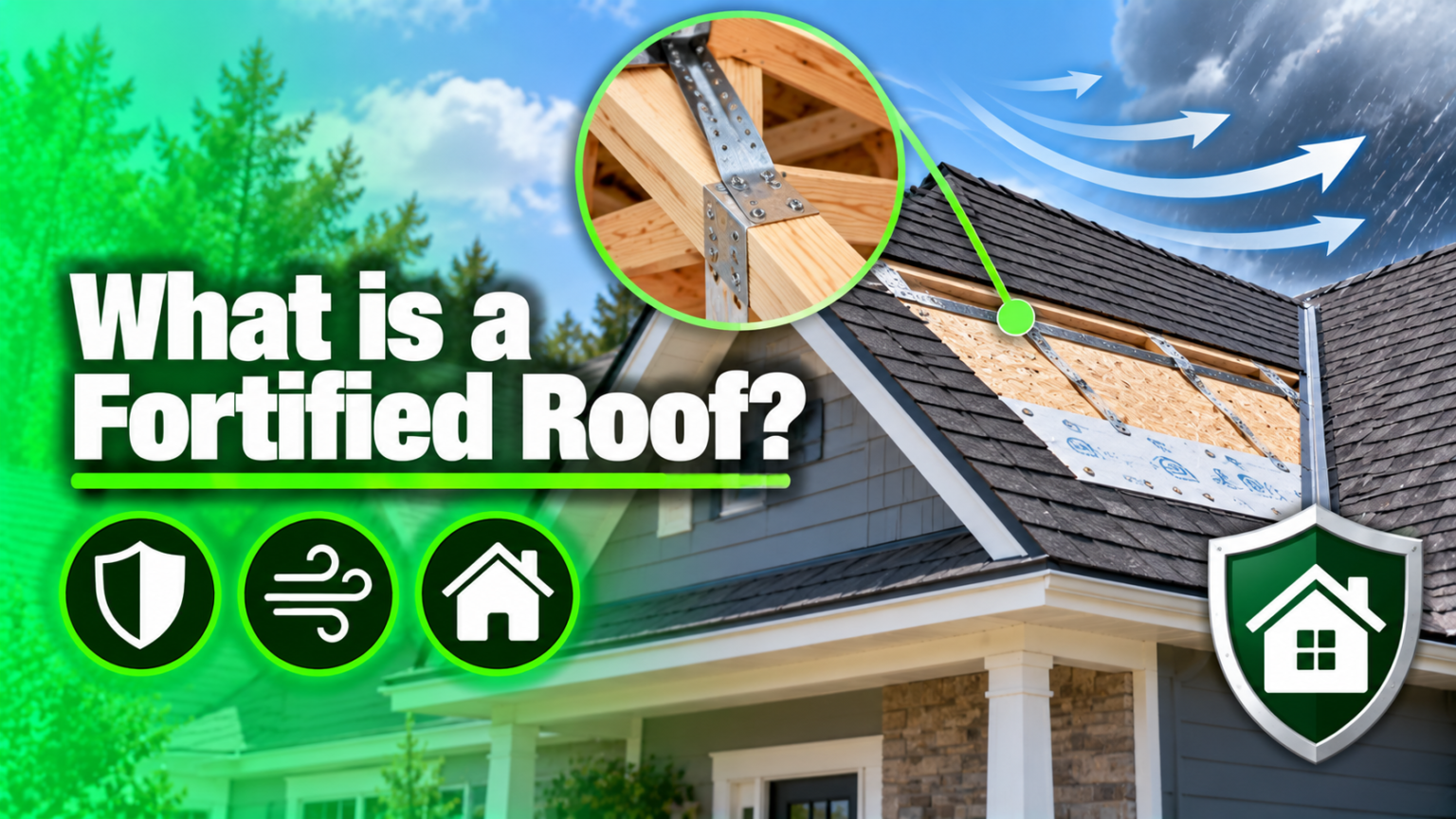

Homeowners living in hurricane-prone or storm-heavy regions are increasingly asking one important question: what is a fortified roof, and is it really worth the investment? A fortified roof is not just a marketing term — it is a scientifically backed roofing system designed to significantly reduce storm damage, water intrusion, and costly repairs. In this guide, we will explain everything about fortified roofs in simple, easy-to-understand language, covering its features, types, cost, certification process, and benefits.
What is a Fortified Roof?
Simple Definition
So, what is a fortified roof exactly? In the simplest terms, a fortified roof is a roofing system that has been specially built or upgraded to meet strict engineering standards for resisting high winds, hurricanes, hailstorms, and heavy rain. Unlike a regular roof, which is built to minimum building code requirements, a fortified roof goes several steps further by using stronger materials, better sealing techniques, and reinforced connections between the roof and the rest of the house structure.
The main idea behind a fortified roof is simple: even if a storm removes the outer shingles, the roof deck underneath should remain sealed and watertight, protecting the home from leaks and interior damage.
Origin of the FORTIFIED Standard (IBHS)
The concept of a fortified roof was developed by the Insurance Institute for Business & Home Safety (IBHS), a nonprofit research organization funded by the insurance industry. After studying decades of hurricane and storm damage patterns, IBHS created the “FORTIFIED Home” standard to help homeowners build roofs that could survive severe weather with minimal damage. This standard is now widely recognized across coastal and storm-prone states in the United States, especially in areas affected by hurricanes.
Why Do You Need a Fortified Roof?
Protection Against Hurricanes & High Winds
One of the biggest reasons homeowners choose a fortified roof is protection against extreme weather. Regular roofs often fail during hurricanes because wind gets underneath loose shingles, lifting them away and exposing the roof deck. A fortified roof uses reinforced fasteners and sealed edges to prevent this kind of wind uplift, keeping the roof structure intact even during Category 3 or higher storms.
Reduced Water Damage & Leaks
Even a small gap in a traditional roof can allow water to seep into the attic and walls during a storm. A fortified roof solves this problem with a fully sealed roof deck, meaning that even if shingles are torn off, water cannot easily enter the home. This drastically reduces the risk of mold, rot, and expensive interior repairs.
Increased Home Value & Insurance Benefits
Homes with a certified fortified roof are often seen as lower risk by insurance companies, which can lead to noticeable discounts on premiums. Additionally, buyers in storm-prone areas are increasingly looking for homes with this certification, which can increase resale value and make the property more attractive on the market.
Key Features of a Fortified Roof
A fortified roof is built using a combination of specific construction techniques and materials. Here are the core features that make it different from a standard roof:
| Feature | Purpose |
| Reinforced roof-to-wall connections | Prevents the roof from separating from walls during high winds |
| Sealed roof decking | Keeps water out even if shingles are lost |
| Impact-resistant materials | Withstands hail and flying debris |
| Upgraded fasteners & nails | Provides stronger holding power against wind uplift |
| Proper ventilation system | Reduces pressure buildup and moisture issues |
Reinforced Roof-to-Wall Connections
In many storm-damaged homes, the roof completely separates from the walls due to wind pressure. Fortified roofs use metal straps or clips to firmly connect the roof structure to the walls, significantly lowering this risk.
Sealed Roof Decking
This is one of the most important features. The roof deck (the wooden layer beneath shingles) is sealed using specialized tape or adhesive at the seams, creating a secondary water barrier.
Impact-Resistant Shingles/Materials
Fortified roofs often use Class 4 impact-resistant shingles, which are tested to withstand hail and debris without cracking or breaking.
Upgraded Fasteners & Nails
Instead of standard staples or short nails, fortified roofs use longer, ring-shank nails that hold shingles more securely in place.
Proper Ventilation System
Good ventilation reduces internal pressure during storms and prevents moisture buildup that can weaken roofing materials over time.
Types of Fortified Roof Levels
The FORTIFIED program offers different designation levels depending on the extent of upgrades made to the home.
| Level | Description |
| Fortified Roof | Basic level focusing only on roof upgrades |
| Fortified Silver | Roof + additional protection for openings (doors, windows) |
| Fortified Gold | Highest level, includes structural reinforcement for the entire home |
Fortified Roof vs Traditional Roof
Difference in Materials
Traditional roofs typically use standard shingles and basic underlayment, while fortified roofs use enhanced materials designed specifically for storm resistance.
Difference in Durability
A traditional roof may last 15–20 years under normal conditions, but a fortified roof is engineered to endure extreme weather events with significantly less damage, often extending its effective lifespan.
Difference in Cost
Fortified roofs generally cost more upfront due to the additional materials and labor involved, but they often pay for themselves through reduced repair costs and insurance savings over time.
Cost of Installing a Fortified Roof
Average Price Range
The cost of a fortified roof varies depending on home size, roofing material, and location, but homeowners can generally expect to pay somewhat more than a standard roof replacement due to the additional reinforcement work involved.
Factors Affecting Cost
- Size and pitch of the roof
- Type of roofing material chosen
- Labor rates in your region
- Extent of structural upgrades required
- Inspection and certification fees
Is It Worth the Investment?
While the upfront cost is higher, many homeowners find that the long-term savings from reduced storm damage and insurance discounts make a fortified roof a smart financial decision, especially in hurricane-prone regions.
Fortified Roof Certification Process
Home Inspection Requirements
To receive official certification, a licensed IBHS evaluator must inspect the roof to confirm that all fortified standards have been properly followed during installation.
Documentation Needed
Homeowners typically need to provide proof of materials used, installation photos, and contractor documentation to support the certification application.
How to Get Certified
The process usually involves hiring a fortified-certified contractor, completing the roofing upgrade, scheduling an official evaluation, and submitting the required paperwork to receive your certification.
Insurance Discounts for Fortified Roofs
Which States Offer Discounts
Several coastal and hurricane-prone states, including Alabama, Louisiana, Mississippi, and South Carolina, offer insurance premium discounts for fortified-certified homes.
How Much You Can Save
Discounts vary by insurer and state, but many homeowners report meaningful reductions in their annual premiums after certification, making the roof upgrade even more cost-effective over time.
How to Choose the Right Contractor
Questions to Ask
- Are you certified to install fortified roofing systems?
- Can you provide references from previous fortified roof projects?
- What materials do you recommend for my region?
- Will you assist with the certification paperwork?
Checking Certifications
Always verify that your contractor is listed as an approved fortified roofing professional, as improper installation can disqualify your home from certification.
Maintenance Tips for a Fortified Roof
Regular Inspection Checklist
Homeowners should routinely check for loose shingles, damaged flashing, and signs of wear, especially after major storms.
When to Call a Professional
If you notice leaks, sagging areas, or visible damage after severe weather, it’s best to call a certified roofing professional promptly to maintain your fortified status.
Pros and Cons of a Fortified Roof
Advantages
- Stronger resistance to hurricanes and high winds
- Reduced risk of water damage and leaks
- Potential insurance premium discounts
- Increased home resale value
- Longer-lasting protection overall
Disadvantages
- Higher upfront installation cost
- Requires certified contractors, which may limit options
- Certification process can be time-consuming
Frequently Asked Questions (FAQs)
Is a fortified roof worth it?
For homeowners in storm-prone areas, yes — the added protection and potential insurance savings often outweigh the higher initial cost.
How long does a fortified roof last?
With proper materials and maintenance, a fortified roof can last as long as or longer than a traditional roof, often 20–30 years depending on materials used.
Does a fortified roof increase home value?
Yes, many buyers view fortified certification as a valuable safety feature, which can positively influence resale value.
Can I upgrade my existing roof to fortified standards?
In many cases, yes — though it typically requires a full roof replacement rather than a partial upgrade to meet all certification requirements.
Conclusion
Understanding what is a fortified roof helps homeowners make informed decisions about protecting their homes from severe weather. While it requires a higher upfront investment, the long-term benefits — including storm resistance, reduced repair costs, and possible insurance discounts — make it a valuable option for anyone living in a high-risk weather zone.
Related Article
How to Remove Ink from Leather Sofa: Easy Step-by-Step Guide
How to Clean Linoleum Floors: Complete Care Guide 2026
How to Strip Floors: A Complete Step-by-Step Guide for Every Floor Type
Can You Refinish Engineered Hardwood Floors? A Complete Guide 2026




