




You can clean linoleum floors by sweeping away loose debris, mopping with a mild pH-neutral cleaner, and drying the surface thoroughly to prevent water damage. This simple routine keeps linoleum looking fresh while protecting its natural flexibility and preventing premature cracking or discoloration.
Why Proper Cleaning Matters
Linoleum is made from natural materials like linseed oil, which makes it more sensitive to harsh chemicals and excess moisture than vinyl flooring. Using the wrong products can strip its protective finish, causing the surface to fade, crack, or feel sticky over time.
What Regular Cleaning Involves
A proper cleaning routine combines daily dust removal with weekly mopping, along with occasional deep cleaning to remove built-up grime. Following the correct order and using suitable products ensures the floor stays durable and visually appealing for years.
Understanding Linoleum Flooring

Before diving into cleaning methods, it helps to understand what makes linoleum different from vinyl or laminate, since this affects which products are safe to use. This background prevents accidental damage during routine maintenance.
Natural Material Composition
Linoleum is made from linseed oil, cork dust, wood flour, and natural pigments pressed onto a jute backing, giving it an eco-friendly and biodegradable quality. This natural composition means it reacts differently to moisture and chemicals compared to synthetic flooring options.
Sensitivity to Water and Chemicals
Because linoleum contains natural fibers, standing water or excessive moisture can seep into seams and cause warping or lifting at the edges. Harsh ammonia-based or abrasive cleaners can also break down its protective coating, leading to dullness and premature wear.
Common Signs of Wear
Yellowing, dullness, and a slightly sticky texture are common signs that linoleum needs deeper cleaning or a fresh protective coat. Catching these signs early makes restoration much easier than waiting until damage becomes severe.
Daily and Weekly Cleaning Routine
Consistent, simple maintenance is the foundation of keeping linoleum floors looking their best. This routine takes only a few minutes but prevents dirt from building up into harder-to-remove grime.
Daily Sweeping or Dust Mopping
Sweeping daily with a soft-bristle broom or dust mop removes grit and debris before it has a chance to scratch the surface underfoot. This is especially important in high-traffic areas like kitchens and entryways where dirt accumulates quickly.
Weekly Damp Mopping
Once a week, mop the floor using a well-wrung mop and a mixture of warm water with a few drops of mild dish soap or a pH-neutral floor cleaner. The mop should be damp rather than soaking wet, since excess water is one of the leading causes of linoleum damage.
Drying the Floor Completely
After mopping, drying the floor with a clean towel or allowing it to air dry with proper ventilation prevents moisture from seeping into seams. Leaving puddles or damp spots for extended periods is one of the most common mistakes that shortens a linoleum floor’s lifespan.
Deep Cleaning Linoleum Floors
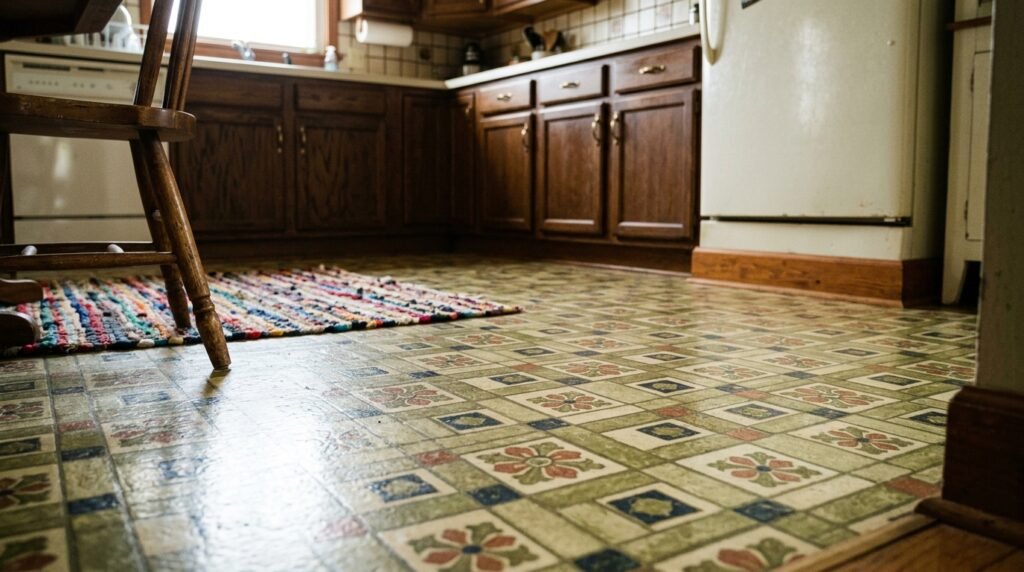
Beyond regular maintenance, linoleum floors occasionally need a more thorough cleaning to remove embedded dirt, stains, or a buildup of old wax. This process takes more time but restores the floor’s original brightness.
Preparing for Deep Cleaning
Start by removing furniture or rugs from the area and sweeping thoroughly to clear all loose debris before applying any cleaning solution. Skipping this step often causes dirt to smear across the surface instead of being lifted away.
Using a Baking Soda Paste for Stains
For stubborn stains, a paste made from baking soda and water can be gently rubbed onto the spot with a soft cloth before rinsing with clean water. This method is effective because baking soda is mild enough not to scratch the surface while still lifting dried-on grime.
Removing Old Wax Buildup
Over time, wax layers can build up and create a dull, cloudy appearance, requiring a specialized wax stripper or a vinegar-and-water solution used sparingly for occasional deep cleaning. After stripping old wax, rinsing thoroughly is essential to prevent residue from affecting a new protective coat.
Cleaning Products Comparison
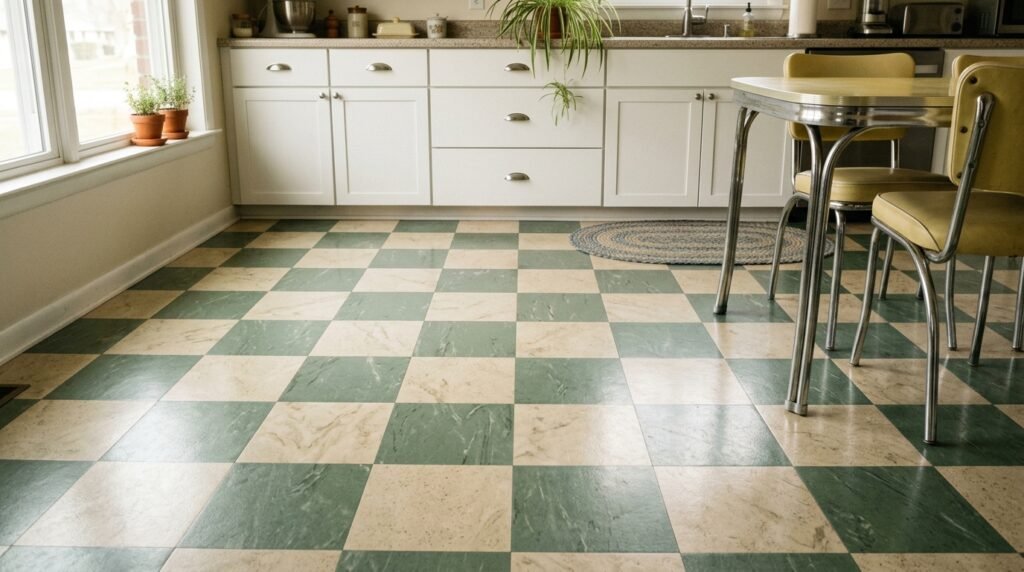
Choosing the right cleaning product plays a major role in how well linoleum floors hold up over time. The table below compares common options and their suitability for linoleum.
| Cleaning Product | Safe for Linoleum | Effectiveness | Notes |
| Mild Dish Soap & Water | Yes | Good for regular cleaning | Gentle and widely available |
| pH-Neutral Floor Cleaner | Yes | Excellent for weekly mopping | Specifically formulated for natural flooring |
| Baking Soda Paste | Yes | Good for stain removal | Use gently to avoid scratching |
| Vinegar Solution | Use sparingly | Effective but can dull finish over time | Best for occasional deep cleaning only |
| Ammonia-Based Cleaners | No | Damages protective coating | Avoid completely |
Selecting products from this table based on the specific cleaning task helps maintain the floor’s finish without risking long-term damage.
Protecting and Maintaining Shine
Once linoleum floors are clean, protecting that clean look becomes the next priority. A few extra steps can significantly extend the time between deep cleanings.
Applying a Protective Coat
Applying a linoleum-specific acrylic finish every one to two years helps protect against scuffs and stains while enhancing natural shine. This step is optional but recommended for high-traffic homes where the floor experiences heavier daily wear.
Preventing Scratches and Scuffs
Using felt pads under furniture legs and placing mats at entryways reduces the grit and pressure that cause scratches over time. Avoiding rubber-backed mats is important too, since rubber can sometimes react with linoleum and cause discoloration.
Managing Sunlight Exposure
Direct sunlight can cause linoleum to yellow or fade unevenly over time, so using curtains or blinds during peak sunlight hours helps preserve consistent color. Rotating rugs or furniture placement periodically also prevents uneven fading in specific spots.
Common Mistakes to Avoid
Even with good intentions, certain cleaning habits can do more harm than good on linoleum floors. Recognizing these mistakes helps homeowners avoid unnecessary damage.
Using Too Much Water
Soaking the floor with excess water during mopping is one of the most frequent mistakes, since standing moisture seeps into seams and causes warping. Always wring the mop thoroughly before applying it to the floor.
Choosing Harsh Chemical Cleaners
Ammonia, bleach, and other harsh chemicals strip the natural finish and can cause discoloration or a sticky residue that attracts more dirt. Sticking to mild, pH-neutral products protects the floor’s integrity over the long run.
Skipping Regular Maintenance
Neglecting daily sweeping allows dirt and grit to act like sandpaper underfoot, gradually dulling the surface and causing fine scratches. A consistent, simple routine prevents the need for aggressive deep cleaning later.
Frequently Asked Questions
What is the best homemade cleaner for linoleum floors?
A mixture of warm water and a few drops of mild dish soap works well as a simple, effective homemade cleaner for regular linoleum maintenance.
Can I use vinegar to clean linoleum floors?
Vinegar can be used occasionally in small amounts, but frequent use may dull the finish over time, so it’s best reserved for deep cleaning only.
How often should linoleum floors be deep cleaned?
Deep cleaning is typically needed every few months, depending on foot traffic, while daily sweeping and weekly mopping handle regular upkeep.
Why does my linoleum floor look sticky after mopping?
A sticky residue usually results from using too much soap or an unsuitable cleaner, so rinsing with plain water afterward can help resolve this issue.
Conclusion
So, how to clean linoleum floors? The process involves daily sweeping, weekly damp mopping with mild pH-neutral cleaners, and occasional deep cleaning to tackle stains or wax buildup. Avoiding excess water and harsh chemicals while maintaining a consistent routine keeps linoleum looking bright and lasting for many years. With a little regular care, linoleum floors can retain their natural charm and durability without requiring constant restoration.
Related Articles
Roof Repairs Worcester: Your Complete Local Guide to a Safe and Lasting Roof
Kitchen Chopping Block Table: Complete Guide, Types, Benefits, Care & Buying Tips
How to Restain Kitchen Cabinets: A Complete Step-by-Step Guide