


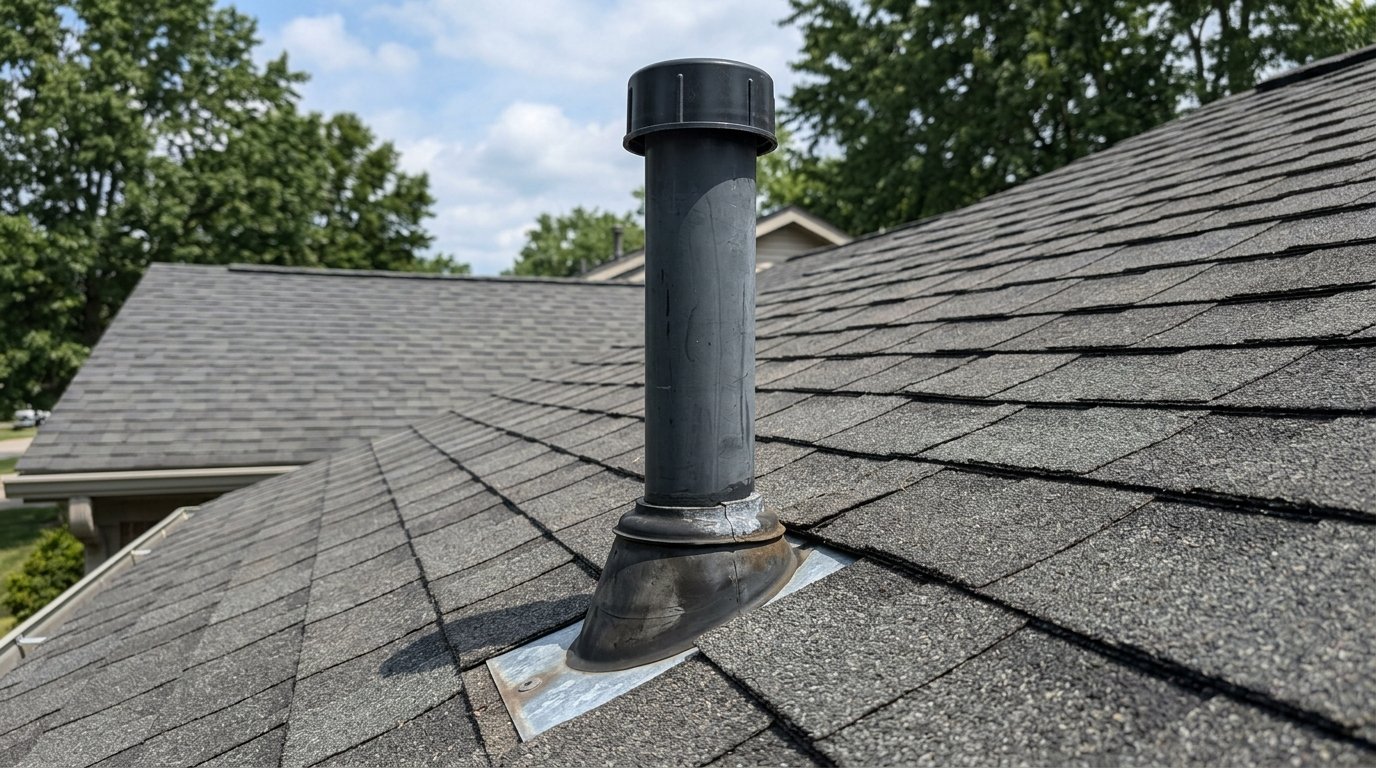

Every homeowner has looked up at their roof at some point and noticed a small pipe sticking out, wondering about its actual purpose. Understanding what does a roof pipe do is essential knowledge for anyone who owns a house, because this small feature plays a massive role in keeping your entire plumbing system healthy and functional.
Many people assume these pipes are just decorative or leftover construction elements, but that assumption is completely wrong. These pipes are a critical part of your home’s drainage and ventilation system, working silently every single day to protect your pipes from pressure buildup and foul smells.
In this article, we will break down everything related to roof pipes in simple, easy-to-understand language. We will explain their function, their types, their importance, and common problems associated with them, so you walk away with complete clarity on this topic.
What Does a Roof Pipe Do?
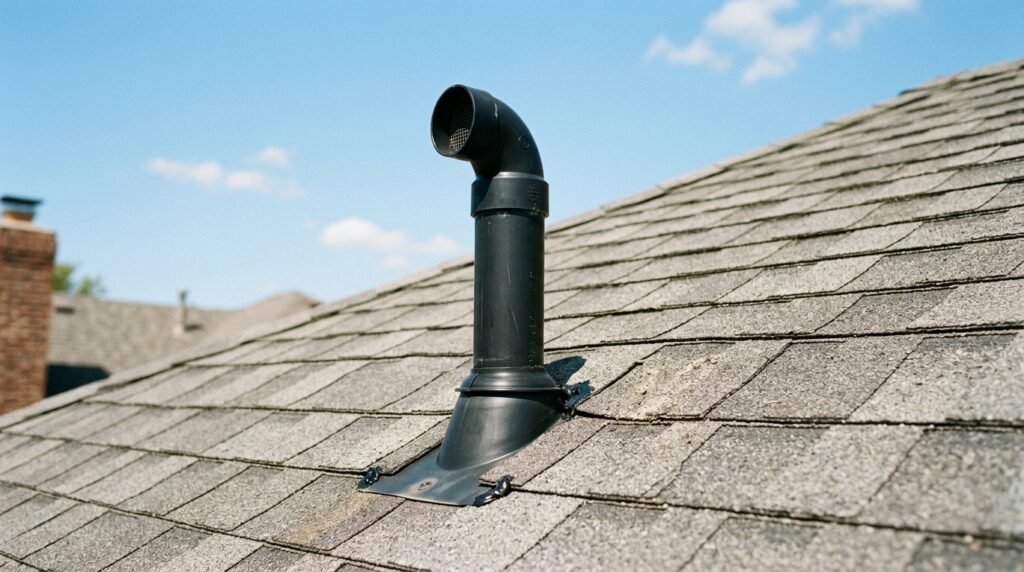
A roof pipe, technically called a plumbing vent stack, allows air to enter your drainage system so wastewater can flow smoothly without gurgling or backing up. It also releases sewer gases safely outside your home instead of letting them build up inside your walls or bathrooms.
The Basic Function of a Roof Pipe
The main job of a roof pipe is to balance air pressure inside your plumbing pipes. Without this pipe, water draining from your sinks or toilets would create a vacuum effect, slowing everything down. This vent allows fresh air to replace the water that just left, keeping the flow smooth and consistent every time you use water in your home.
How It Prevents Sewer Gas Buildup
Sewer gases contain methane and other harmful compounds that smell terrible and can even pose health risks in large amounts.
The roof pipe acts like a chimney for these gases, pushing them upward and releasing them into the open air above your roofline. This keeps your indoor air clean and free from unpleasant sewage odors that would otherwise seep through drains.
Protecting Your Plumbing Traps
Every sink, tub, and toilet has a trap filled with water that blocks gases from entering your home. Roof pipes protect these traps by preventing suction that could pull water out of them. If the trap loses its water seal, gases and pests could easily enter your living space, so this pipe plays a silent but powerful protective role.
Types of Roof Pipes Used in Homes
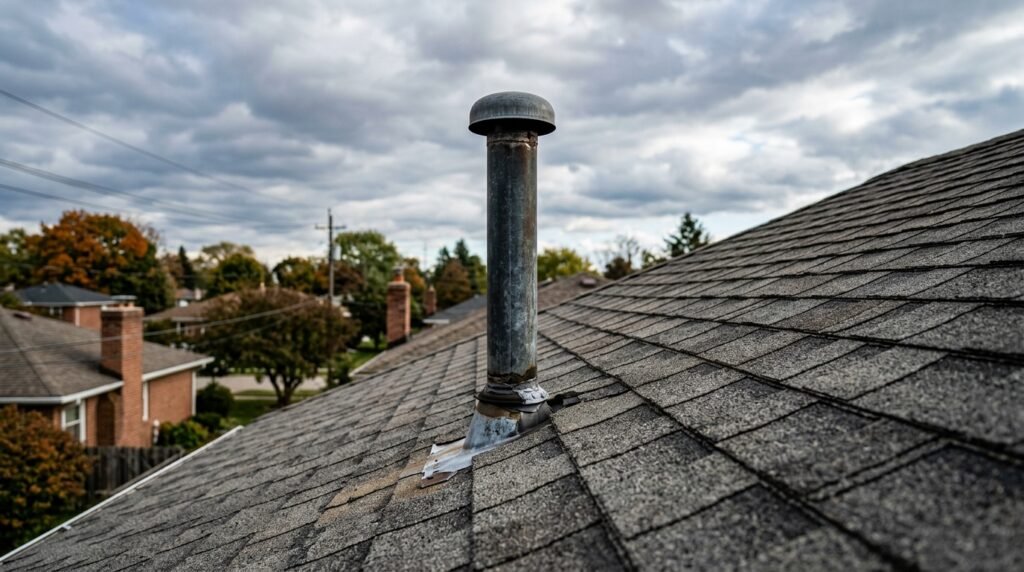
Different homes use different roof pipe designs depending on their plumbing layout, local building codes, and the age of the house. Below is a table showing common types found in residential properties.
| Type of Roof Pipe | Common Material | Typical Use |
| Main Vent Stack | PVC or Cast Iron | Connects directly to the main sewer line |
| Auxiliary Vent | ABS Plastic | Used for secondary bathrooms or additions |
| Air Admittance Valve Pipe | Plastic | Allows air in without a full roof penetration |
| Soil Stack Pipe | Cast Iron or PVC | Carries both waste and vent air together |
Main Vent Stack Explained
The main vent stack is the largest and most important pipe on your roof because it connects directly to your home’s primary sewer line. It handles the bulk of air exchange for your entire plumbing system. This pipe is usually the one people notice first since it tends to be wider and positioned near the center of the roof.
Auxiliary Vents and Their Role
Auxiliary vents are smaller pipes added when a home has multiple bathrooms or an extension built later. These pipes ensure that distant fixtures still get proper airflow without relying solely on the main stack. They reduce strain on the primary system and improve overall drainage efficiency throughout the house.
Signs Your Roof Pipe Needs Attention
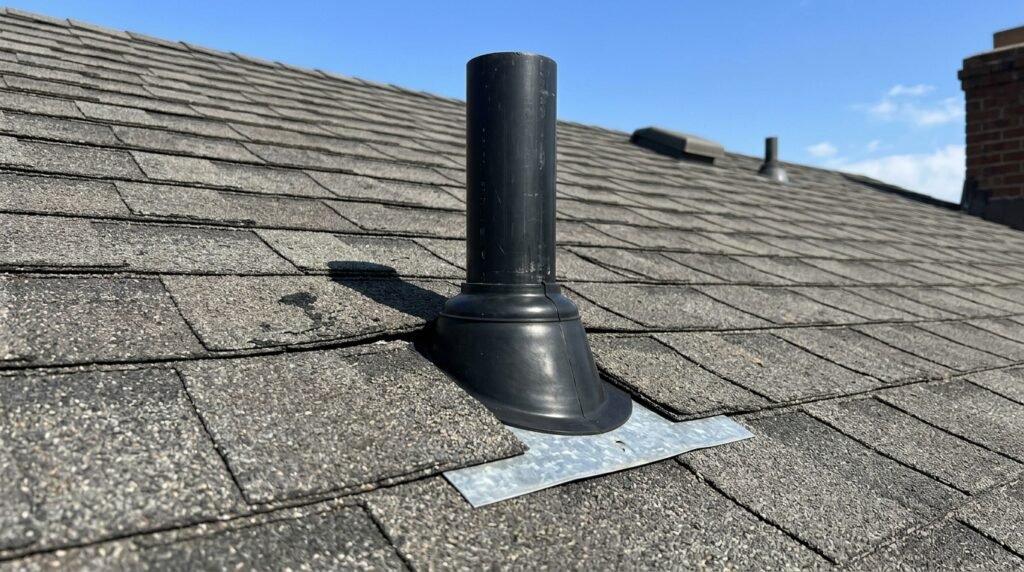
Sometimes roof pipes develop issues that homeowners should not ignore, since delaying repairs can lead to bigger plumbing headaches. Common warning signs include:
- Gurgling sounds coming from drains after flushing
- A persistent sewage smell inside bathrooms
- Slow draining sinks or tubs throughout the house
- Visible cracks or debris blocking the pipe opening on the roof
Why Blockages Happen
Blockages usually occur due to leaves, bird nests, or ice forming inside the pipe opening during colder months. Since the pipe sits exposed on your roof, it naturally collects debris over time. Regular roof inspections help catch these blockages before they cause pressure problems inside your plumbing system.
The Importance of Timely Repairs
Ignoring a blocked or damaged roof pipe can lead to slow drains, unpleasant odors, and even sewage backups inside your home. Fixing these issues early saves money and prevents more invasive plumbing work later.
A simple roof inspection once or twice a year can catch most problems before they escalate.
Conclusion
Understanding what does a roof pipe do helps homeowners appreciate a feature that is often overlooked but incredibly important for daily comfort and hygiene
. From balancing air pressure to releasing sewer gases safely, this pipe keeps your plumbing system running smoothly behind the scenes. Regular maintenance and quick attention to warning signs ensure your roof pipe continues doing its job effectively for years to come.
FAQs
Is it normal for a roof pipe to smell slightly outside?
Yes, a faint odor near the pipe opening on the roof is normal since it releases sewer gases directly outdoors.
Can I cover my roof pipe to stop debris?
Yes, vent caps or screens are commonly installed to block leaves and animals without restricting airflow.
Do all homes have a roof pipe?
Almost all homes with modern plumbing systems have at least one roof vent pipe for proper drainage function.
Related Articles
Factors Affecting Door Installation Cost: What You Need to Know
How Long Does It Take for Bathroom Caulk to Dry? Complete Guide
How to Get Rid of Stucco Ceilings?
What Are Styrofoam Ceiling Tiles? Discover their benefits & tips.




