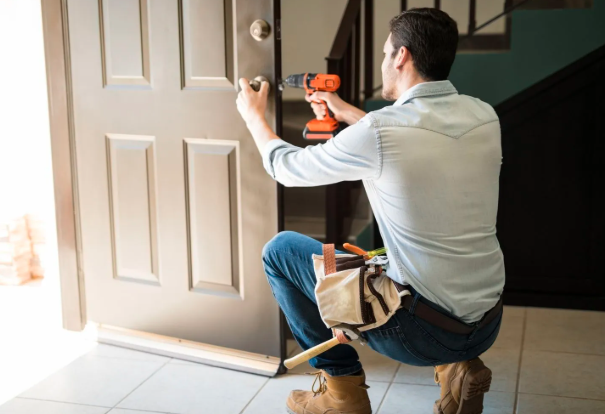


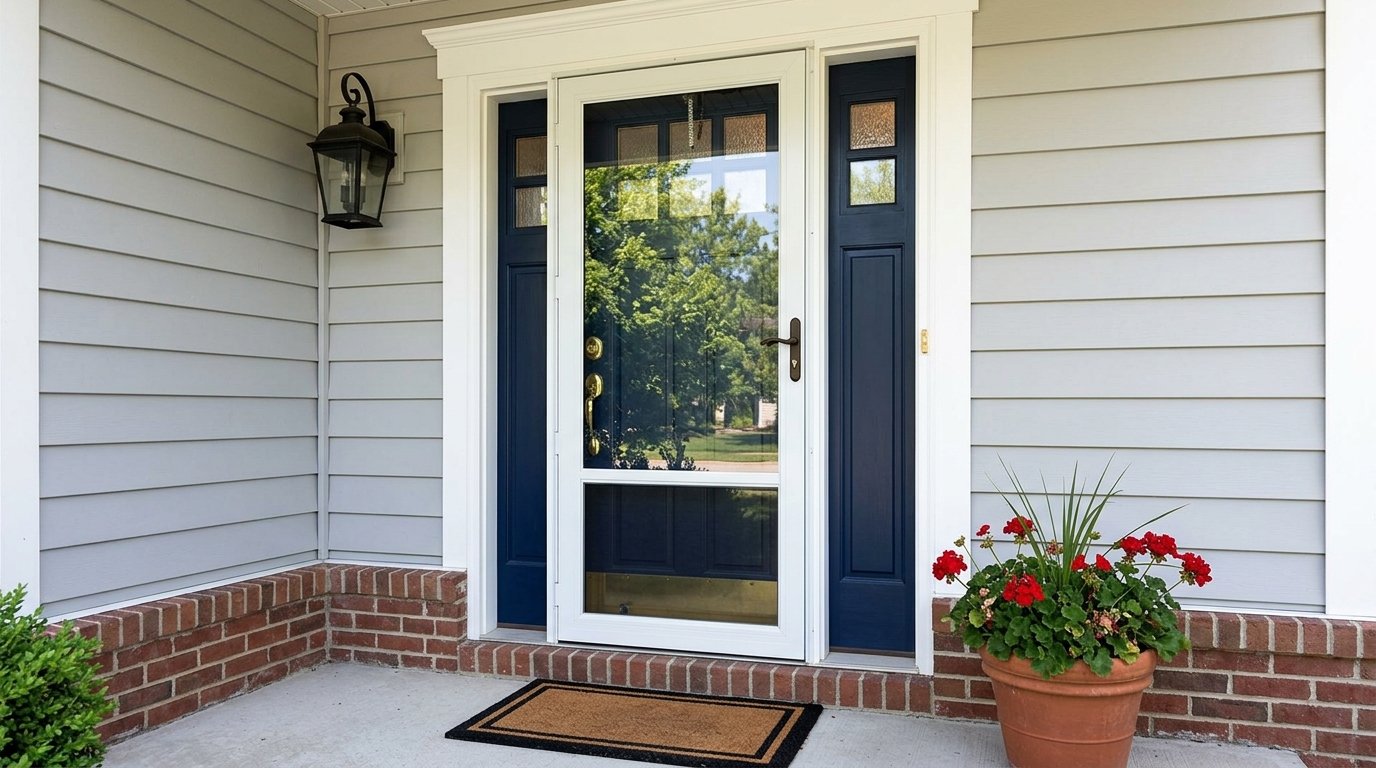

Measuring for a storm door correctly is the most important step before purchasing, since even small measurement errors can lead to a poor fit or difficult installation. This guide breaks down the entire measuring process into simple, easy-to-follow steps that anyone can complete with basic household tools.
Why Accurate Measurements Matter
An improperly measured storm door can result in gaps that let in cold air, insects, or moisture, defeating the entire purpose of installing one. Taking a few extra minutes to measure carefully saves you from costly returns or awkward custom adjustments later.
Tools Needed Before Measuring
Having the right tools ready before you begin ensures your measurements stay accurate and consistent throughout the process. Most of these items are commonly available in any home toolbox.
Basic Measuring Tools
A steel tape measure, a pencil, and a notepad are the essential items required for measuring any storm door opening accurately. A steel tape is preferred over cloth tape since it doesn’t stretch or sag during use.
Additional Helpful Tools
A small level can help confirm whether your door frame is straight, since older homes sometimes have slightly uneven frames. Having a helper hold the tape measure steady also improves accuracy, especially when measuring taller openings.
How to Measure for a Storm Door Width
Width measurement is typically the first step in the process and determines how wide your new storm door needs to be. This section explains exactly where and how to take this measurement correctly.
Measuring the Top Width
Place your tape measure horizontally across the top of the door frame, measuring from the inside edge of one side jamb to the inside edge of the other. Record this number, as door frames are sometimes slightly wider at the top than at the bottom.
Measuring the Middle and Bottom Width
Repeat the same horizontal measurement at the middle of the frame and again near the bottom, close to the threshold. Compare all three numbers and use the smallest measurement, since this ensures the door will fit even if the frame is slightly uneven.
How to Measure for a Storm Door Height
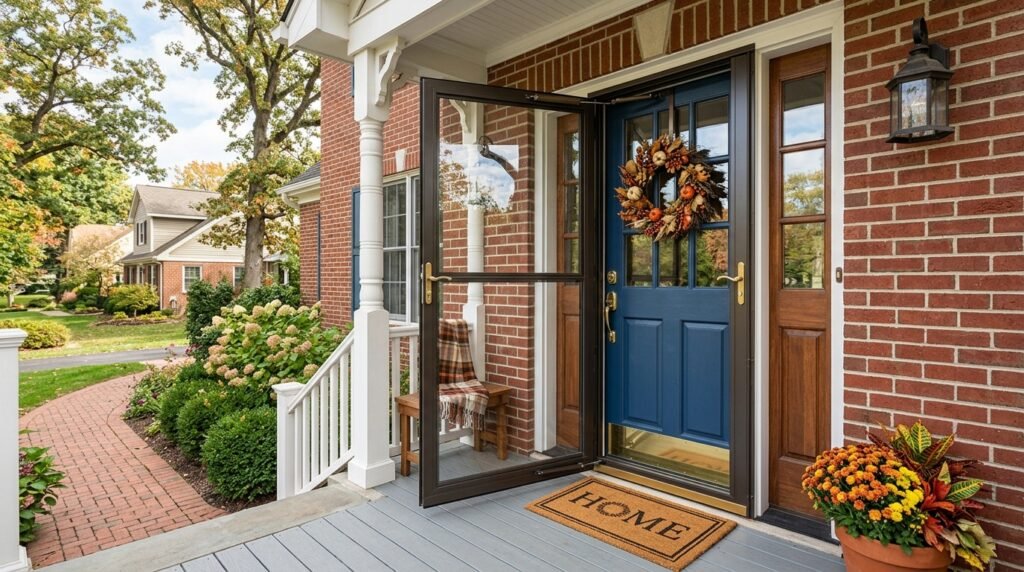
Height measurement follows a similar approach to width but focuses on the vertical dimension of your door opening. Getting this measurement right prevents gaps at the top or bottom of the installed door.
Measuring Left Side Height
Measure vertically along the left side of the frame, starting from the top inside corner down to the sill or threshold. Take note of this exact number before moving to the opposite side of the frame.
Measuring Right Side Height
Repeat the same vertical measurement along the right side of the frame from top to bottom. As with width, use the shorter of the two height measurements to guarantee proper clearance during installation.
How to Measure Door Frame Depth
Depth measurement is often overlooked but plays a critical role in ensuring your storm door’s frame fits properly against your existing entry door frame. This step prevents installation issues related to hinge and closer clearance.
Measuring the Brick Mold Depth
Measure from the outer edge of the brick mold trim to the face of your existing entry door when it is closed. This measurement determines whether a standard depth storm door will fit or if you need a wider frame option.
Checking for Obstructions
Look for any door handles, locks, or decorative trim that might interfere with the storm door’s closing mechanism once installed. Noting these obstructions early helps you choose a storm door model with appropriate handle placement.
Standard Storm Door Size Reference
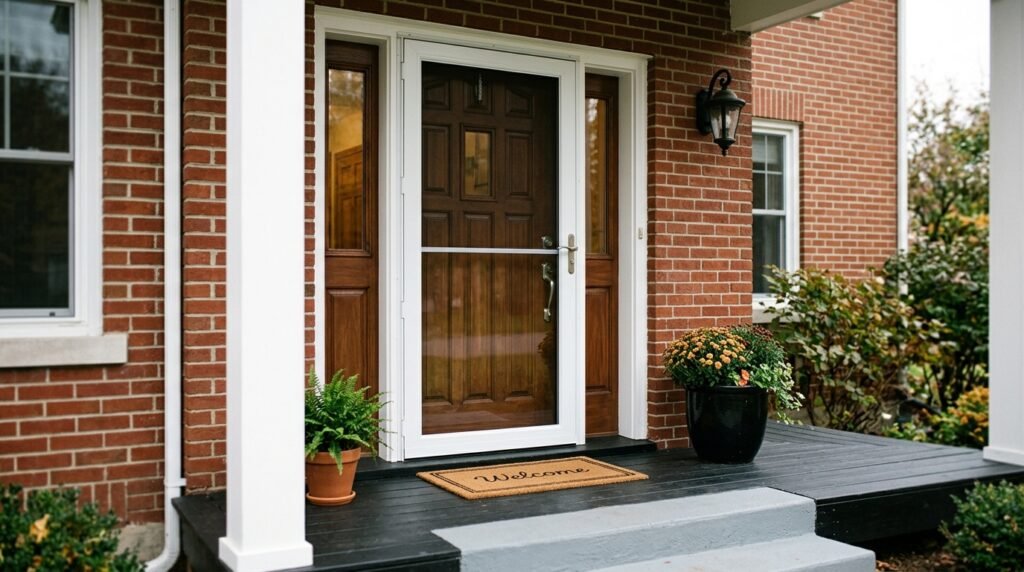
Understanding standard sizing options helps you know what to expect once your measurements are complete. Below is a table showing common storm door sizes available in most hardware stores.
| Standard Width | Standard Height | Common Usage |
| 32 inches | 80 inches | Standard entry doors |
| 34 inches | 80 inches | Slightly wider entryways |
| 36 inches | 80 inches | Most common residential size |
| Custom sizes | Varies | Older or non-standard homes |
Matching Your Measurements to Standard Sizes
Compare your recorded width and height measurements against these standard sizes to determine whether a stock storm door will fit your opening. If your measurements fall between standard sizes, rounding down slightly is usually safer than rounding up.
When Custom Sizing Is Necessary
Homes built before certain construction standards were established often have door openings that don’t match modern standard sizes. In these cases, a custom-built storm door becomes necessary to avoid gaps or fitting problems.
Common Measuring Mistakes to Avoid
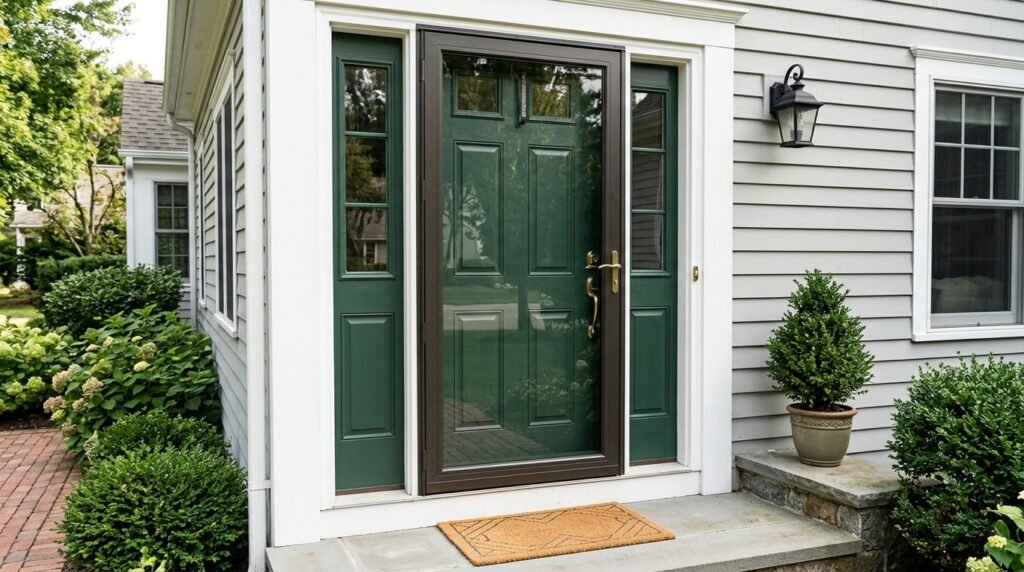
Even careful homeowners sometimes make small errors that lead to ordering the wrong size storm door. Being aware of these common mistakes helps you avoid unnecessary returns or exchanges.
Measuring Only Once
Taking a single measurement at one point on the frame ignores the natural variations found in most door openings. Always measure at multiple points, as explained earlier, to capture the most accurate overall dimension.
Ignoring Frame Squareness
Many homeowners forget to check whether their door frame is perfectly square, which can affect how well a storm door closes and seals. Using a level or measuring diagonal corners can quickly reveal if squareness is a concern.
Competitor Insight Analysis
Most articles covering this topic focus only on basic width and height measurements while skipping depth and squareness checks entirely. This guide improves on that by covering every critical measurement point, ensuring readers avoid the most common fitting mistakes competitors fail to mention.
FAQs
Q1: Should I measure from inside or outside the door frame?
Measurements should always be taken from the inside edges of the frame for accuracy.
Q2: What if my width measurements differ slightly at top, middle, and bottom?
Always use the smallest measurement among the three to ensure a proper fit.
Q3: Do I need professional help to measure for a storm door?
Most homeowners can measure accurately themselves using a simple tape measure and the steps outlined above.
Q4: What happens if I order the wrong storm door size?
An incorrectly sized door may not close properly or could require costly returns and reordering.
Conclusion
Measuring for a storm door accurately involves checking width, height, and depth at multiple points to account for natural variations in older frames. By following this simple step-by-step process, homeowners can confidently order the correct size and enjoy a smooth, hassle-free installation.
Related Articles
How Do You Measure A Ceiling Fan: Complete Guide 2026
Kitchen Chopping Block Table: Complete Guide, Types, Benefits, Care & Buying Tips
Roof Washing: A Complete Guide 2026