


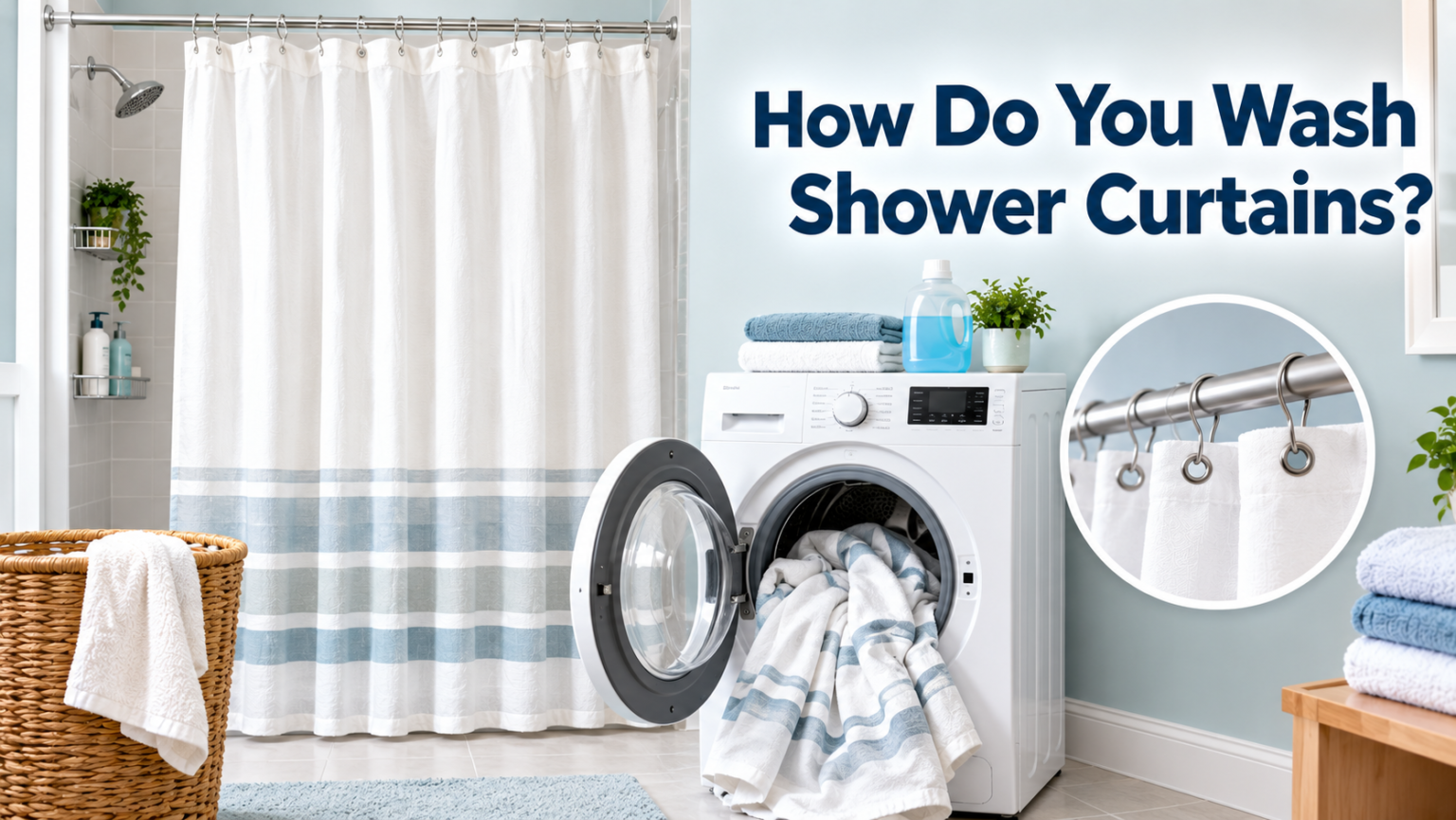

Shower curtains collect soap residue, mineral deposits, and mildew every single time water hits them, making regular washing essential rather than optional. Most people wait until visible stains or a musty smell appear before taking action, but by then the fabric or vinyl has already absorbed weeks of buildup.
Learning how do you wash shower curtains properly means understanding that fabric and plastic liners require completely different care approaches. The right method depends on the material, how often the curtain is used, and how much humidity builds up in your bathroom. Getting this right protects the curtain’s lifespan and keeps your bathroom genuinely hygienic rather than just visually clean.
This guide breaks the entire process down into clear, practical steps so you never have to guess which method suits your curtain. From identifying your curtain type to preventing future mildew, every stage is covered in plain language without unnecessary padding.
Why Do Shower Curtains Need Regular Cleaning?
Shower curtains stay damp far longer than most bathroom surfaces, which creates the perfect environment for mold and mildew to take hold. Left unwashed, they become a breeding ground for bacteria that can affect both hygiene and air quality in the bathroom.
Moisture and Mildew Buildup
Every shower session leaves droplets clinging to the curtain, and if ventilation is poor, that moisture lingers for hours. Over time, this constant dampness allows mildew spores to settle into the fabric or vinyl fibers. Once mildew establishes itself, it spreads quickly and becomes noticeably harder to remove with each passing week.
Soap Scum and Mineral Deposits
Soap and hard water leave behind a filmy residue that clings to the curtain’s surface with every wash. This buildup doesn’t just look unpleasant; it also creates a rougher texture that traps even more dirt and moisture. Left untreated, mineral deposits can permanently discolor lighter-colored curtains.
Recommended Washing Frequency
Most cleaning experts suggest washing shower curtains and liners every one to two months under normal use. Households with heavy shower traffic, high humidity, or visible mold should shorten this interval to every three to four weeks. Sticking to a consistent schedule prevents deep-set stains that become far more difficult to treat later.
Types of Shower Curtains and Why It Matters
Not every shower curtain is built the same way, and washing the wrong material incorrectly can ruin it. Knowing your curtain type before you start is the single most important step in this entire process.
Fabric Shower Curtains
Fabric curtains, typically made from cotton, polyester, or linen blends, are usually machine washable but require gentler handling than liners. These materials can shrink, fade, or lose shape if washed on high heat or with harsh chemicals. Always check the manufacturer’s care label before choosing a wash cycle.
Plastic and Vinyl Liners
Vinyl liners are more durable against water damage but tend to develop mildew spots faster due to their non-breathable surface. They can typically withstand machine washing on a gentle cycle, though excessive heat can cause warping or brittleness. Their smooth surface also makes stain removal comparatively easier once you use the right technique.
Combination Setups
Many bathrooms use a decorative fabric curtain on the outside with a plastic liner underneath for water protection. Each piece needs to be washed separately since they have different material tolerances. Treating them as one unit often leads to uneven cleaning results and premature wear on the fabric layer.
What You’ll Need Before You Start?
Gathering the right supplies beforehand makes the washing process faster and prevents mid-task interruptions. Most items required are already common household products rather than specialty cleaners.
The following table outlines the essential supplies and their specific purpose in the cleaning process:
| Supply | Purpose |
| Mild liquid detergent | Cleans fabric without leaving harsh chemical residue |
| Baking soda | Lifts soap scum and neutralizes odors |
| White vinegar | Breaks down mildew and hard water deposits |
| Old bath towels | Reduces friction damage during machine washing |
| Soft-bristle brush or sponge | Targets stubborn stains without scratching vinyl |
| Bathtub or large basin | Needed for hand-washing delicate curtains |
Having these ready before starting the wash cycle prevents delays and ensures each step flows smoothly from preparation to drying.
Pre-Wash Preparation Steps
Skipping preparation is one of the most common reasons curtains come out of the wash still looking dirty or develop tears. A few extra minutes here saves significant frustration later.
Checking the Care Label
Before anything else, look at the care label sewn into the curtain for washing restrictions specific to that fabric. Some materials cannot tolerate machine washing at all and require hand cleaning exclusively. Ignoring this step is the most frequent cause of shrinkage and color fading.
Removing Rings and Hooks
Take the curtain down from the rod and remove all rings or hooks before washing begins. Metal hooks left attached can scratch the drum of the washing machine or snag on the fabric itself. This step also lets you inspect the curtain more closely for concentrated stain areas.
Shaking Off Loose Debris
Give the curtain a firm shake outdoors or over a trash bin to remove hair, dust, and loose soap flakes. This prevents debris from clogging the washing machine filter during the cycle. It also gives you an early look at how much mildew or staining you’re actually dealing with.
How to Wash Fabric Shower Curtains?
Fabric curtains respond best to a gentle, low-heat approach that cleans thoroughly without stressing the material’s fibers. Rushing this process with hot water or aggressive spin cycles tends to backfire quickly.
Selecting the Right Cycle and Temperature
Set the washing machine to a gentle or delicate cycle using cold or lukewarm water rather than hot. Hot water can cause shrinkage in cotton blends and weaken polyester fibers over repeated washes. Add a mild detergent in the amount recommended for a small to medium load size.
Adding Towels for Protection
Toss in one or two old bath towels alongside the curtain to cushion it during the spin cycle. The towels also help scrub away embedded soap scum through friction as the drum rotates. This small addition significantly improves cleaning results without any extra effort on your part.
Drying Fabric Curtains Correctly
Never put fabric shower curtains in the dryer, since heat exposure can cause permanent shrinking or fiber damage. Instead, hang the curtain back on the rod immediately after the wash cycle finishes so it air-dries in its natural shape. This also allows gravity to smooth out most wrinkles without needing an iron.
How to Wash Plastic and Vinyl Liners?
Vinyl liners can technically survive a machine wash, but they need a slightly different chemical approach to fully clear mildew and soap film.
Machine Washing the Liner
Place the liner in the washing machine along with a couple of towels, using cold water on a gentle cycle. Add half a cup of baking soda directly into the drum to help lift grease and soap residue. This combination cleans effectively without damaging the liner’s plastic coating.
Using Vinegar for Mildew Removal
During the rinse cycle, pour half a cup of white vinegar into the machine to target mildew spores and mineral buildup. Vinegar’s acidity breaks down organic growth without bleaching or weakening the vinyl material. This step is particularly effective for liners with visible black or pink mildew spots.
Rehanging While Damp
Once the cycle ends, hang the liner back on the shower rod immediately while it’s still slightly wet. Letting it dry in a bunched-up pile increases the risk of new mildew forming in the folds. Spreading it fully open also helps it regain its original shape faster.
Removing Stubborn Mold and Mildew Stains
Sometimes regular washing isn’t enough to clear deep-set mold, especially on curtains that have gone unwashed for several months.
Vinegar Soak Method
Fill a bathtub or large basin with warm water and add two cups of white vinegar, then submerge the affected curtain for thirty minutes. This extended soak time gives the vinegar enough contact time to break down stubborn mildew colonies. Afterward, scrub the treated spots gently with a soft brush before rinsing thoroughly.
Baking Soda Paste for Spot Treatment
For isolated stains, mix baking soda with a small amount of water to form a thick paste and apply it directly to the mark. Let it sit for fifteen minutes before scrubbing with a sponge in circular motions. This method works well on both fabric and vinyl without risking discoloration.
Diluted Bleach for White Liners Only
White vinyl liners with heavy mold can be treated with a solution of one part bleach to ten parts water, applied briefly and rinsed immediately. Never use bleach on colored or fabric curtains, as it will cause irreversible fading or fabric weakening. Always ensure the bathroom is well-ventilated when using bleach-based solutions.
Hand-Washing Method for Delicate Curtains
Some curtains, particularly those made from linen or with decorative trims, are safer to hand-wash rather than machine wash.
Preparing the Soak
Fill a bathtub with warm water and a small amount of mild detergent, then submerge the curtain completely for ten to fifteen minutes. This loosens surface dirt without subjecting delicate fibers to mechanical agitation. Swishing the curtain gently by hand during this time helps distribute the soapy water evenly.
Scrubbing and Rinsing
Use a soft brush to target visible stains, working in gentle circular motions rather than aggressive scrubbing. Drain the soapy water and refill the tub with clean water to rinse until no suds remain. Repeat the rinse if any detergent residue is still visible on the fabric surface.
Drying and Rehanging Tips
Proper drying is just as important as the wash itself, since damp curtains left improperly stored quickly redevelop mildew.
Air-Drying Best Practices
Hang the curtain fully extended on the rod rather than draping it over a single bar in a bunched shape. Open a window or run an exhaust fan during drying to speed up moisture evaporation. Avoid closing the shower curtain fully until it has completely dried to prevent trapped humidity.
Preventing Wrinkles Naturally
Smoothing the curtain out by hand immediately after hanging reduces the need for ironing later. Fabric curtains in particular tend to release wrinkles naturally when hung while still slightly damp. This approach saves time while still achieving a presentable, wrinkle-free appearance.
Preventing Future Mold and Buildup
Consistent small habits do more to keep shower curtains clean long-term than occasional deep cleaning sessions.
Improving Bathroom Ventilation
Running an exhaust fan during and after showers significantly reduces the ambient humidity that feeds mold growth. If your bathroom lacks a fan, keeping a window cracked or the door open after showering achieves a similar effect. This single habit change can extend the time between deep cleans considerably.
Spreading the Curtain After Use
Always pull the curtain fully open after each shower instead of leaving it bunched against the wall. This exposes more surface area to air, allowing water droplets to evaporate faster. It takes only a few seconds but meaningfully reduces mildew formation over time.
Common Mistakes to Avoid
Even well-intentioned cleaning attempts can go wrong when a few key details are overlooked.
Overloading the Washing Machine
Cramming the curtain into a machine already full of other laundry prevents proper water circulation and rinsing. This often leaves soap residue trapped in the fabric, which attracts dirt faster afterward. Always wash curtains with minimal additional items, ideally just a towel or two.
Using Hot Water on Vinyl
Hot water can warp or crack vinyl liners, causing them to lose their shape and develop weak points. Always confirm cold or lukewarm settings before starting the cycle on plastic materials. This mistake is one of the fastest ways to shorten a liner’s usable lifespan.
Frequently Asked Questions
Can you wash a shower curtain with towels in the same load?
Yes, adding one or two towels helps scrub the curtain through added friction during the cycle. This combination is a widely recommended trick for improving cleaning results without extra products.
How often should plastic liners be replaced entirely?
Most liners should be replaced every six to twelve months, even with regular washing and maintenance. Replacement becomes necessary once mildew stains no longer respond to cleaning.
Is it safe to wash all shower curtains in a washing machine?
Most fabric and vinyl curtains are machine safe, but always check the care label first. Delicate materials with trims or embellishments are safer hand-washed instead.
Conclusion
Knowing how do you wash shower curtains properly comes down to matching the cleaning method to the material and staying consistent with the schedule. Fabric curtains need gentle cycles and air drying, while vinyl liners benefit from baking soda and vinegar treatments. Regular maintenance combined with better bathroom ventilation keeps mold from becoming a recurring problem altogether.
Related Posts
What is a Fortified Roof? Complete Guide to Storm-Resistant Roofing
Does a Bathroom Remodel Require a Permit?
24 Inch Kitchen Sink Drop In Complete Guide: Types, Benefits, Installation
How to Clean Mold from Wood Furniture: Complete Guide
Do You Wax Laminate Floors? Here’s What Actually Works Instead



