

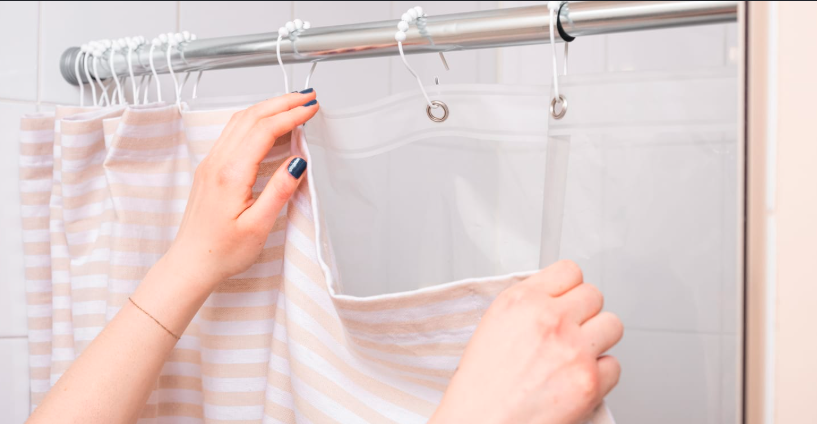

Your shower curtain battles mold, mildew, and soap scum every day, but cleaning it is easier than you think — simply machine wash it on a gentle cycle with laundry detergent and 1 cup of white vinegar to restore it to its original freshness.
We’ll walk you through everything you need to know, starting with Why Does Your Shower Curtain Get Dirty? so you understand the root cause of the buildup.
We’ll also cover How to De-Calcify a Shower Curtain, helping you tackle stubborn mineral deposits and keep your curtain looking spotless for longer.
Why Does Your Shower Curtain Get Dirty?
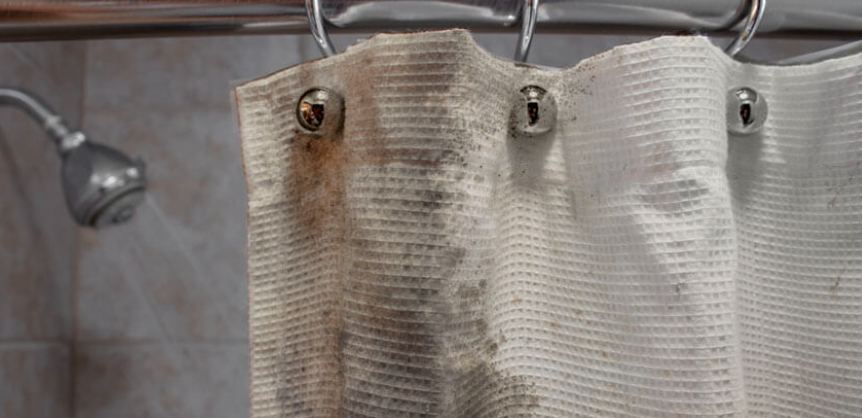
Your shower curtain gets dirty because the bathroom’s warm, humid environment makes it a perfect breeding ground for mold, mildew, and bacteria. Every time you shower, steam and moisture cling to the curtain’s surface, creating damp conditions where germs love to thrive.
Soap scum and body oils also splash onto the curtain with each use, leaving behind a sticky residue that attracts even more dirt.
Hard water minerals further add to the problem by depositing chalky limescale stains that are tough to ignore. Since the curtain rarely gets a chance to fully dry between showers, all these factors work together to make it one of the dirtiest spots in your bathroom.
How Often Should You Clean Your Shower Curtain?
You should aim to clean your shower curtain at least once a month to prevent mold, mildew, soap scum, and bacteria from building up to the point where they become difficult to remove.
However, if you have a large household where the shower is used multiple times a day, or if you live in a particularly humid climate, you may need to clean it every two to three weeks to stay on top of the grime.
In between deep cleans, it is a good habit to spray the curtain with a mixture of water and white vinegar after each shower and always spread it out fully so air can circulate and the fabric dries completely, which goes a long way in slowing down mold and mildew growth between washes.
What You’ll Need — Tools & Cleaning Supplies

Tools:
- Durable microfiber cloths for wiping down the curtain surface without scratching or damaging the fabric.
- A reliable vacuum to remove any loose dust, debris, or dry residue from the curtain before wet cleaning begins.
- Spray bottles to evenly apply your cleaning solutions, such as white vinegar or diluted detergent, across the curtain.
- A variety of brushes for different surfaces, including a soft-bristled brush for fabric curtains and a stiffer brush for plastic or vinyl ones.
Cleaning Supplies:
- Laundry detergent to effectively lift dirt, body oils, and soap scum during a machine wash cycle.
- White vinegar to naturally kill mold, mildew, and bacteria while also breaking down hard water mineral deposits.
- Baking soda to tackle tough stains and odors, giving your curtain a deep and thorough clean.
- A mild bleach solution for heavily mold-infested curtains that need a stronger treatment to restore cleanliness.
How to Clean a Shower Curtain in the Washing Machine?
Cleaning a shower curtain in the washing machine is an easy way to remove soap scum, mold, and mildew without much effort. Start by taking the curtain down and placing it in the washing machine with two bath towels, which act as gentle scrubbers during the wash cycle.
Add a small amount of mild detergent and use warm water on a delicate cycle to avoid damaging the material. Once the wash is complete, hang the shower curtain back up immediately to air dry, as high heat from a dryer can damage plastic or vinyl curtains.
How to Clean a Shower Curtain by Hand?

To clean a shower curtain by hand, fill a bathtub or large basin with warm water and add 1/4 cup of baking soda along with 1 tablespoon of detergent. Place the shower curtain in the water and let it soak for 15–30 minutes to loosen soap scum, mildew, and stains.
After soaking, gently scrub any dirty areas with a soft sponge or brush, paying extra attention to the bottom of the curtain where buildup is common. Rinse thoroughly with clean water and hang the curtain back up to air dry completely.
How to Clean a Shower Curtain Without Removing It?
Step 1: Prepare a Cleaning Solution
Mix one part white vinegar with four parts water in a spray bottle. You can also use a specialized cleaner like OxiClean Foam-Tastic for extra stain-fighting power.
Step 2: Spray the Shower Curtain
Spray the entire shower curtain while it is still hanging, focusing on areas with soap scum, mildew, or mold buildup.
Step 3: Let the Solution Sit
Allow the cleaner to sit on the curtain for 10–15 minutes so it can break down grime and kill mold effectively.
Step 4: Wipe the Surface
Use a damp cloth, sponge, or soft brush to gently wipe away dirt and stains from the curtain.
Step 5: Rinse Thoroughly
Rinse the shower curtain using a handheld shower head or clean water to remove any leftover cleaner and residue.
Step 6: Allow It to Dry
Leave the curtain fully extended after cleaning so it can air dry properly and prevent future mold growth.
How to Clean Shower Curtains by Material?

Different shower curtain materials require different cleaning methods to prevent damage and keep them looking fresh. Below are the best ways to clean fabric, vinyl, plastic laminate, and PEVA shower curtains safely and effectively.
Fabric (Cotton & Polyester)
Fabric shower curtains can usually be cleaned in the washing machine with warm water and mild detergent.
Adding a couple of towels during the wash helps remove soap scum and mildew more effectively. After washing, hang the curtain immediately to air dry or tumble dry on low heat if allowed on the care label.
Vinyl
Vinyl shower curtains should be washed gently because high heat can cause warping or cracking.
Use a delicate wash cycle with warm water and mild detergent, or wipe the surface with a vinegar-and-water solution for quick cleaning. Always air dry vinyl curtains instead of placing them in a dryer.
Plastic Laminate
Plastic laminate shower curtains are best cleaned by hand to avoid peeling or surface damage. Soak them in warm water mixed with a small amount of detergent, then wipe gently with a soft sponge. Rinse thoroughly and leave the curtain spread out to dry completely.
PEVA
PEVA shower curtains are more sensitive to harsh chemicals, so mild soap and warm water work best for cleaning. A soft cloth or sponge can help remove mold spots and soap residue without damaging the material. Keep the curtain fully extended after cleaning so moisture dries quickly and mildew does not return.
How to Remove Mold & Mildew from a Shower Curtain?
Mold and mildew on shower curtains can be cleaned using different methods depending on how severe the buildup is. Below are effective ways to remove stains, odors, and bacteria while keeping the curtain material safe.
Washing Machine Method
Place the shower curtain in the washing machine and add white vinegar along with a small amount of detergent. Sprinkle baking soda during the rinse cycle and run a hot wash to loosen mildew and soap residue. The heat and cleaning agents help sanitize the curtain and remove unpleasant smells.
Soaking Method
Soaking works well for curtains with heavy mold buildup or deep stains. Fill a tub with water and add hydrogen peroxide or a small amount of bleach to break down mildew growth.
Leave the curtain in the solution for several minutes before rinsing thoroughly with clean water.
Spot Cleaning Method
Spot cleaning is useful when mold appears only in certain areas instead of the entire curtain. Spray the affected spots with a vinegar-and-water mixture or hydrogen peroxide and allow it to sit briefly.
Gently scrub the stains with a sponge or soft brush to lift the mildew without damaging the surface.
How to De-Calcify a Shower Curtain?

Hard water can leave mineral deposits and soap scum on a shower curtain over time, making it look dull and stiff. The methods below help dissolve buildup and restore the curtain’s cleaner appearance.
Prepare the Vinegar Solution
Fill a bathtub or large container with water and mix in one part white vinegar with four parts water. This solution helps break down calcium deposits and stubborn soap residue naturally. Warm water can improve the cleaning process by loosening buildup faster.
Soak the Shower Curtain
Place the shower curtain completely into the vinegar mixture so all affected areas are covered. Let it soak for a while to allow the vinegar to dissolve mineral stains and hardened residue. Areas near the bottom of the curtain may need extra soaking because buildup is usually heavier there.
Scrub and Rinse
After soaking, gently scrub remaining deposits with a soft sponge or cloth to remove loosened residue. Rinse the shower curtain thoroughly with clean water to wash away vinegar and debris. Hang the curtain fully open so it can air dry properly without trapping moisture.
How to Keep Your Shower Curtain Clean Longer?
Keeping a shower curtain clean for a longer time depends on simple daily habits and light regular maintenance. Below are easy ways to prevent mold, stains, and buildup so it stays fresh for longer.
- Spray the shower curtain regularly with a mixture of white vinegar and water to help prevent mold and mildew buildup.
- Keep the curtain fully spread out after every shower so moisture can dry properly instead of getting trapped in folds.
- Wash the shower curtain liner in the washing machine once a month to remove soap scum and bacteria.
- Add baking soda or white vinegar during washing to help break down stains and neutralize odors naturally.
- Use proper bathroom ventilation, such as an exhaust fan or open window, to reduce humidity levels.
- Wipe down the bottom edge of the curtain occasionally because this area collects the most moisture and residue.
- Avoid leaving wet towels or bath mats against the curtain, as extra moisture can encourage mildew growth.
When to Replace Your Shower Curtain?
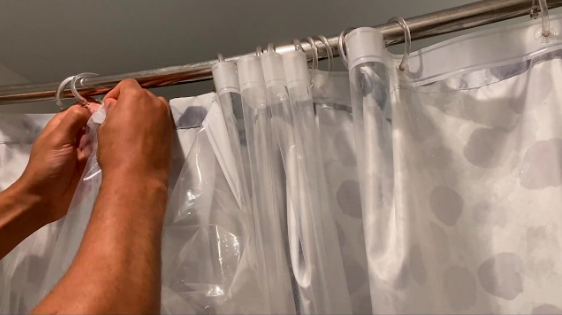
A shower curtain should be replaced on a regular schedule and also when clear signs of damage or contamination appear. Below are the key indicators that tell you it’s time for a new one.
Regular Timeframe
Replace your shower curtain every 3 to 6 months as part of routine bathroom maintenance. This helps prevent long-term buildup of bacteria, mold, and hard-to-clean residue. Even with regular cleaning, materials gradually wear down over time.
Mold Growth
If you notice pink, black, or green mold spots, it means the curtain has deep microbial growth. These stains often spread inside the material and are difficult to fully remove. In such cases, replacement is the safest option.
Permanent Soap Scum
When soap scum becomes thick and no longer comes off with washing, the surface has likely degraded. This buildup can trap dirt and bacteria, making cleaning ineffective. A new curtain is needed to maintain hygiene.
Persistent Odor
A strong musty smell that remains after washing is a sign of trapped moisture and bacteria. This odor usually indicates that the curtain fibers or material are no longer cleanable. Replacing it restores freshness in the bathroom.
FAQs
Can you put a shower curtain in the dryer?
Most shower curtains should not be put in the dryer because heat can damage or warp materials like vinyl and plastic. Fabric curtains may tolerate low heat, but air drying is usually the safest option. Hanging it immediately after washing helps maintain its shape.
Can I use bleach on a shower curtain?
Bleach can be used on some shower curtains to remove mold and stains, but it should be diluted properly. It works best on white or bleach-safe materials like certain plastics. Always check the care label before using bleach to avoid damage.
How do I get pink stains off my shower curtain?
Pink stains are usually caused by bacteria buildup in damp areas. Cleaning with vinegar, baking soda, or a mild detergent helps break them down. Regular washing and drying can prevent them from returning.
Can you clean a shower curtain with vinegar?
Yes, vinegar is an effective natural cleaner for shower curtains. It helps remove soap scum, mild mold, and odors when mixed with water or used in washing cycles. It’s also safe for most curtain materials when used correctly.
What temperature should I wash my shower curtain at?
Warm water is generally best for cleaning shower curtains without damaging them. Hot water can be used for tougher mold or mildew on durable materials. Always follow the care label to choose the safest temperature.
How do I get black mold off my shower curtain?
To remove black mold from your shower curtain, mix equal parts white vinegar and water and spray it directly on the affected areas.
Let it sit for 30 minutes, then scrub gently with a soft brush and rinse thoroughly. For stubborn mold, soak the curtain in a solution of warm water and baking soda before washing it in the machine on a gentle cycle.
Can I clean my shower curtain without taking it down?
Yes, you can clean your shower curtain without removing it. Simply spray a mixture of white vinegar and water directly onto the curtain while it is still hanging.
Let it sit for a few minutes, scrub gently with a soft sponge, and rinse with warm water. This is a quick and easy way to remove light soap scum and mildew between deep cleans.
Conclusion
Cleaning your shower curtain is simpler than you think. With basic household items like baking soda, white vinegar, or regular detergent, you can easily remove soap scum, mold, and yellow stains and make it look brand new again.
Just remember to wash it every three months, air dry it properly, and give it a quick vinegar spray after each shower to keep it fresh and clean for longer.
Related Articles
How to Get Rid of Mold in the Bathroom: Complete Step-by-Step Guide
486 Gelney Kitchen Exhaust Hood System: How It Works and Why It Matters
How to Clean Shower Tiles: Step-by-Step Guide for a Spotless Bathroom
Factors Affecting Door Installation Cost: What You Need to Know
How to Get Rid of Mold in the Bathroom: Complete Step-by-Step Guide