

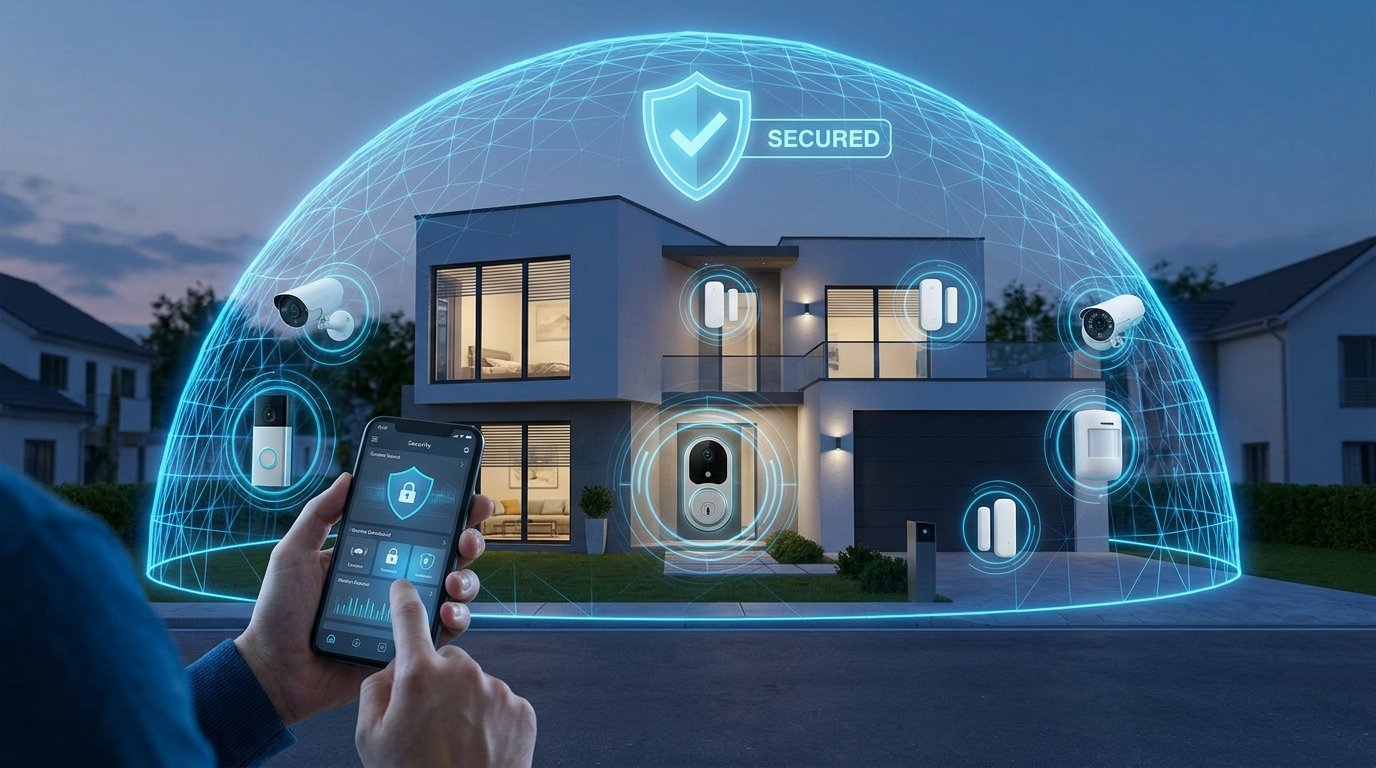

:
Knowing how to improve home security with better locks is one of the smartest investments a homeowner can make. Most people focus on alarm systems and cameras — yet the front door lock remains the single biggest vulnerability in any home. A weak or outdated lock is an open invitation.
Front doors remain the primary entry point for burglars, accounting for 34% of all break-ins. The good news? Most of these break-ins are preventable. This guide walks you through every practical step — from choosing the right deadbolt to installing smart locks — so you can protect your home without overspending.
📋 Key Takeaways
- Front doors account for 34% of all burglary entry points — your lock is your first line of defense.
- Homes without a security system are 300% more likely to be broken into than those with one.
- Upgrading to a Grade 1 ANSI deadbolt significantly increases forced-entry resistance.
- Smart locks offer remote access, temporary codes, and real-time alerts that traditional locks cannot.
- Reinforcing the strike plate and door frame matters as much as the lock itself.
- Rekeying existing locks is a fast, affordable security upgrade — no full replacement needed.
Why Your Door Lock Is the Most Critical Security Upgrade
Most homeowners assume their existing locks are “good enough.” In reality, the majority of residential locks sold at big-box stores provide minimal resistance to forced entry, bump keys, or lock picking.
Approximately 62% of burglaries involve forced entry, emphasizing the critical need for secure and durable locks and doors. That means nearly two-thirds of all break-ins could be slowed or stopped entirely by a better lock.
Here is what makes a lock genuinely secure:
- ANSI Grade 1 rating — the highest residential security standard
- Anti-pick pins — resist manipulation by experienced burglars
- Anti-drill protection — hardened steel inserts prevent drilling through the cylinder
- Anti-bump resistance — prevents lock bumping, a common break-in technique
- Solid brass or steel construction — resists corrosion and brute force
💡 Pro Tip: Always check whether a lock carries an ANSI/BHMA Grade 1 certification before purchasing. Grade 2 locks are common in retail stores but are designed for light commercial use, not high-security residential applications.
Types of Locks: Which One Does Your Home Actually Need?
Not every lock is suited to every door. Understanding the main lock types helps you choose the right protection for each entry point.
Deadbolts
A single-cylinder deadbolt is the standard recommendation for exterior doors. It uses a key on the outside and a thumb-turn on the inside. Unlike spring-bolt latches, deadbolts must be manually engaged — making them far harder to force open.
Deadbolts offer an extra layer of defence, particularly for side and back doors. Unlike standard spring-loaded latches, deadbolts need to be manually engaged and are far harder to force open.
Multi-Point Locking Systems
Multi-point locking systems secure your door in several places, usually at the top, middle and bottom, rather than relying on a single latch. This spreads pressure more evenly across the door frame, making it far more difficult to force open.
These are standard on most new uPVC and composite doors and represent a significant upgrade over single-point locks.
Smart Locks
Smart locks replace or supplement traditional locks with digital access options. Smart locks allow you to lock and unlock your doors using your smartphone. Some even let you create temporary access codes for guests or contractors, which automatically expire after a certain amount of time.
High-Security Locks
High-security locks are designed to withstand tampering methods like picking, drilling, or bumping. Some models also have patented key control systems, so only authorized locksmiths can duplicate the keys. This eliminates the risk of unauthorized key copying entirely.
Anti-Snap Cylinders
Cylinder snapping is a common technique used by burglars, particularly on older or poorly secured locks. Anti-snap cylinders are built to break in a specific way, shearing off at a designed point while still protecting the internal locking mechanism. Even if tampered with, the door stays locked and secure.
Top 7 Best Locks to Improve Home Security in 2025
These are real, verifiable products with independently confirmed pricing and features.
1. Medeco Maxum Deadbolt
A top-rated high-security deadbolt widely trusted by locksmiths and security professionals.
- Best for: Homeowners wanting maximum forced-entry and pick resistance
- Pricing: Starting at $120–$180
- Pros: ANSI Grade 1 certified; patented key control; anti-pick, anti-drill, anti-bump; made in the USA
- Cons: Premium price; professional installation recommended
- Learn more: medeco.com
2. Schlage B60N Single Cylinder Deadbolt
A trusted, affordable Grade 1 deadbolt from one of America’s most established lock manufacturers.
- Best for: Budget-conscious homeowners upgrading from builder-grade locks
- Pricing: ~$35–$55
- Pros: ANSI Grade 1; anti-pick, anti-bump, anti-drill; wide finish variety
- Cons: No smart features; basic key control
- Learn more: schlage.com
3. Schlage Encode Plus Smart Deadbolt
A premium smart deadbolt with built-in Wi-Fi — no hub required.
- Best for: Apple HomeKit users and tech-savvy homeowners
- Pricing: Starting at ~$229
- Pros: Apple Home Key support and built-in Wi-Fi, so no hub is required. Its advanced encryption helps prevent hacking; Grade 1 certified
- Cons: Higher price point; requires Wi-Fi for remote features
- Learn more: schlage.com
4. August Wi-Fi Smart Lock (4th Gen)
A sleek retrofit smart lock that installs over your existing deadbolt inside the door.
- Best for: Renters or homeowners who want smart access without changing their exterior hardware
- Pricing: ~$149–$179
- Pros: Compatible with Alexa, Apple HomeKit and more; DoorSense technology alerts users if a door is left open; easy DIY install
- Cons: Still requires a physical key from outside; battery-powered
- Learn more: august.com
5. Yale Assure Lock 2
A versatile smart lock with multiple access options and wide smart home compatibility.
- Best for: Families wanting PIN code access, smartphone control, and biometric options
- Pricing: Starting at ~$179
- Pros: Matter support and multiple finishes; auto-lock and unlock features keep doors secure whether at home or away
- Cons: Biometric module sold separately
- Learn more: yalehome.com
6. Kwikset Halo Touch Fingerprint Smart Lock
A fingerprint-based smart lock at a mid-range price point.
- Best for: First-time smart lock buyers wanting affordable biometric access
- Pricing: ~$149–$199
- Pros: Fingerprint access for multiple users; SmartKey Security prevents unauthorized key duplication; built-in Wi-Fi
- Cons: Fingerprint sensor can be slow in cold or wet conditions
- Learn more: kwikset.com
7. Defender Security Door Bar
A mechanical security bar for in-home protection — no key required.
- Best for: Adding a secondary layer of forced-entry resistance while at home
- Pricing: ~$15–$25
- Pros: Pick-proof and bump-proof by design; extremely affordable; easy to install
- Cons: Only works while you’re inside; not suitable as a primary lock
- Learn more: Available on Amazon and major hardware retailers
Quick Comparison Table
| Lock | Best For | Pricing | Standout Feature | Security Level |
| Medeco Maxum | Maximum security | $120–$180 | Patented key control | ⭐⭐⭐⭐⭐ |
| Schlage B60N | Budget upgrade | $35–$55 | ANSI Grade 1, anti-bump | ⭐⭐⭐⭐ |
| Schlage Encode Plus | Smart + secure | ~$229 | Apple Home Key, no hub | ⭐⭐⭐⭐⭐ |
| August Wi-Fi (4th Gen) | Renters | $149–$179 | DoorSense, retrofit install | ⭐⭐⭐⭐ |
| Yale Assure Lock 2 | Family use | ~$179 | Matter compatible | ⭐⭐⭐⭐ |
| Kwikset Halo Touch | Budget biometric | $149–$199 | Fingerprint + Wi-Fi | ⭐⭐⭐ |
| Defender Security Bar | Inside defense | $15–$25 | Mechanical, pick-proof | ⭐⭐⭐ |
How to Strengthen Door Security Without Replacing the Lock
Replacing your lock is not always the most urgent fix. In many cases, the lock itself is fine — but the surrounding hardware is the weak point.
Upgrade Your Strike Plate
Reinforcing the strike plate with longer screws and a sturdier metal plate can make a standard deadbolt much more resistant to force. Most builder-installed strike plates use 3/4-inch screws that barely grip the door frame. Replacing them with 3-inch screws that anchor into the wall stud is a $5 fix that dramatically increases kick resistance.
Reinforce Door Hinges
Securing your door hinges with heavy-duty screws makes it harder for an intruder to open the door. If hinges are exposed on the exterior side of the door, hinge bolts add a critical second layer of protection.
Add Secondary Locks
A door security bar can help prevent forced entry, while secondary locks such as chain locks or slide bolts provide extra reinforcement. These are especially useful for back doors and patio entries that often receive less security attention.
Consider Rekeying First
One of the simplest ways to improve security is rekeying existing locks. Rekeying changes the internal configuration of a lock so old keys no longer work while keeping the existing hardware in place. This is essential after moving into a new home, losing a key, or ending a tenant arrangement.
Smart Locks vs. Traditional Deadbolts: Which Is Right for You?
| Feature | Traditional Deadbolt | Smart Lock |
| Forced-entry resistance | High (Grade 1) | High (Grade 1, if certified) |
| Remote access | ❌ No | ✅ Yes |
| Temporary codes | ❌ No | ✅ Yes |
| No-key entry | ❌ No | ✅ Yes |
| Activity log | ❌ No | ✅ Yes |
| Power required | ❌ No | ✅ Batteries/power |
| Price range | $35–$180 | $100–$300+ |
| Installation difficulty | Easy | Easy to moderate |
Both options have genuine merit. For maximum physical security on a budget, a Grade 1 deadbolt like the Schlage B60N is hard to beat. For households that want remote access, activity monitoring, and keyless convenience, a smart lock like the Schlage Encode Plus delivers both physical and digital security.
📌 Hypothetical Example (for illustration purposes):
A family of four moves into a 10-year-old home. The existing locks are builder-grade Grade 3 deadbolts with short strike plate screws. Within two weeks, they:
- Replace front door lock with a Schlage Encode Plus (~$229)
- Swap back door lock for a Schlage B60N Grade 1 deadbolt (~$45)
- Replace all strike plate screws with 3-inch screws (~$8 total)
- Add a Defender Security Bar on the back patio door (~$20)
Total investment: ~$302. The result is a dramatically more secure home — with remote monitoring, keyless entry, and genuine forced-entry resistance at every entry point.
Note: This scenario is illustrative. Actual results vary by home layout, existing hardware, and implementation quality.
How to Choose the Right Lock for Your Home
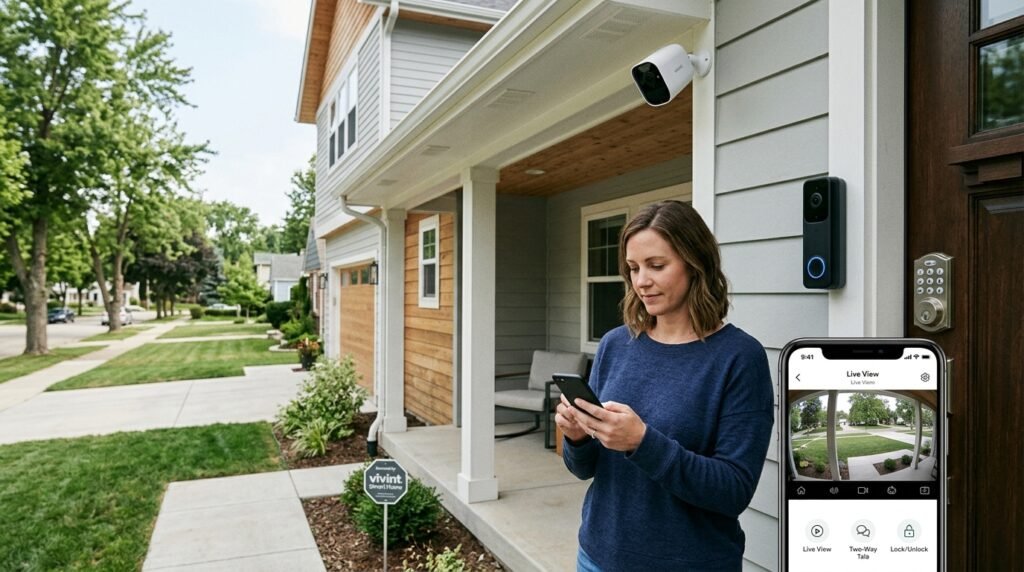
Choosing the right lock requires matching the product to the door type, risk level, and your own lifestyle.
Consider these factors:
- Door material: Hollow-core doors provide minimal security regardless of the lock. A Grade 1 deadbolt on a hollow door is still weak. Pair any lock upgrade with a solid-core door if possible.
- Entry frequency: If multiple people enter and exit daily, a smart lock with keypad access eliminates the key-management headache.
- Rental situation: Renters benefit most from retrofit smart locks (like August) that install over existing hardware and can be removed when moving out.
- Back doors and side gates: Adding a mechanical or electronic keypad lock to your garden gate or driveway access creates another barrier between your home and potential intruders.
- Budget: A $45 Grade 1 deadbolt with a reinforced strike plate outperforms a $200 Grade 2 smart lock for pure forced-entry resistance.
⚠️ Warning: Avoid purchasing locks solely based on appearance or brand recognition. Always verify the ANSI/BHMA grade rating before buying. Many attractive smart locks sold online carry no security certification at all.
Frequently Asked Questions (FAQ)
Q: What is the most secure type of lock for a front door?
A Grade 1 ANSI-certified single-cylinder deadbolt from brands like Medeco, Schlage, or Mul-T-Lock offers the highest residential security rating. For additional protection, pair it with an anti-snap cylinder and reinforced strike plate. The combination of certified hardware and door frame reinforcement is significantly more effective than any single upgrade alone.
Q: Are smart locks safer than traditional deadbolts?
Smart locks and traditional deadbolts can offer comparable physical security — provided the smart lock carries an ANSI Grade 1 certification. Smart locks add digital benefits like remote access and activity logs, but also introduce cybersecurity considerations. Choose a smart lock with encrypted communication and two-factor authentication to minimize digital vulnerability.
Q: How do I know if my current lock is strong enough?
Check for an ANSI grade marking stamped on the lock face or inside the packaging. Grade 1 is commercial/high-security; Grade 2 is standard residential; Grade 3 is light duty. If your lock has no grade marking, it is likely Grade 3 or unrated. Also check whether the strike plate uses screws shorter than 2 inches — if so, the door frame is the weakest point, not the lock.
Q: What is lock bumping and how do I prevent it?
Lock bumping involves inserting a specially cut “bump key” and striking it to momentarily align the lock pins, allowing the lock to turn. Most standard residential locks are vulnerable. High-security locks are designed to withstand tampering methods like picking, drilling, or bumping. Look specifically for locks labeled “bump-resistant” or “bump-proof.”
Q: Should I rekey my locks when I move into a new home?
Yes — always. You have no way of knowing how many copies of the existing keys are in circulation from previous owners, contractors, or tenants. Rekeying is often faster and more cost effective than full replacement while still improving access security. A locksmith can typically rekey all locks in a home for $50–$100.
Q: Can I install a deadbolt myself, or do I need a locksmith?
Most Grade 1 deadbolts are designed for DIY installation using standard tools. The process typically takes 20–30 minutes per door. However, if your door frame needs reinforcement, the strike plate needs upgrading, or the door itself is misaligned, professional installation ensures proper fit and maximum security effectiveness.
Q: Do smart locks work during a power outage?
Most smart locks run on batteries and continue to function during power outages. Battery life typically ranges from six months to a year depending on usage. Models with backup power options or manual key overrides (like the Schlage Encode Plus) provide an extra layer of reliability. Always keep a physical key backup for emergency use.
Conclusion
Improving home security with better locks does not require a complete home renovation or a large budget. Start with the most critical entry point — your front door — and work outward. A Grade 1 deadbolt, a reinforced strike plate, and longer hinge screws represent the most cost-effective security upgrade available to any homeowner.
If your lifestyle demands keyless convenience and remote access, a certified smart lock like the Schlage Encode Plus or Yale Assure Lock 2 delivers both physical and digital security in one package. The key is always to verify the ANSI grade rating and pair any lock upgrade with door frame reinforcement for maximum protection
Related Articles
How Long Does It Take for Bathroom Caulk to Dry? Complete Guide
Roof Repairs Worcester: Your Complete Local Guide to a Safe and Lasting Roof
Rub-on Transfers for Furniture: Transform Your Decor with Ease
Should You Paint the Walls Before Staining Stairs? What Pros Recommend
Factors Affecting Door Installation Cost: What You Need to Know