


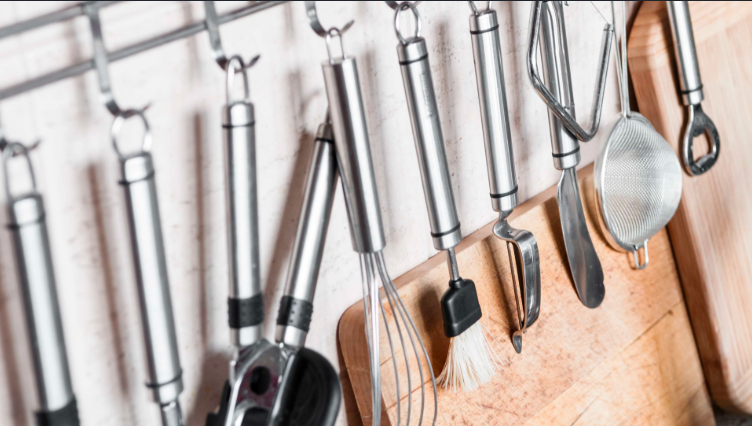

Keeping your kitchen tools clean and properly stored is the foundation of a safe, efficient cooking space. The process is simple but essential:
wash items with hot, soapy water immediately after use to remove grease and food residue, sanitize with a bleach solution or boiling water to eliminate harmful bacteria, dry completely to prevent rust and moisture damage, and store them in clean, dry, closed cabinets to shield them from dust and contamination.
In this guide, we’ll walk you through How to Clean Specific Kitchen Tools — from knives and cutting boards to graters and peelers — along with practical Storage Solutions for Small Kitchens to help you maximize space without sacrificing hygiene, ensuring your tools stay in top condition for every meal you prepare.
Why Proper Cleaning & Storage Extends Tool Life?
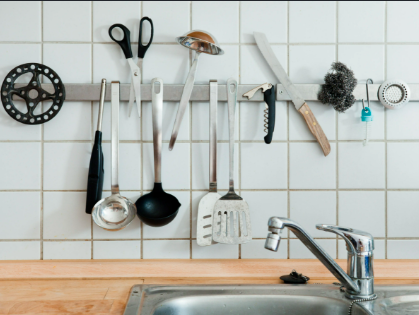
Most kitchen tools don’t wear out from use — they wear out from neglect. Leftover food, moisture, and grease silently cause rust, corrosion, and warping that breaks down even high-quality tools over time.
Proper cleaning removes these damaging elements immediately, while thorough drying eliminates moisture — the number one enemy of metal, wood, and plastic tools alike.
Storage matters just as much; loosely tossed tools scratch, dull, and crack against each other, while clean, dry, closed cabinets protect them from humidity and physical damage. Together, good cleaning habits and smart storage preserve sharpness, extend lifespan, and save you money on frequent replacements.
Cleaning by Material Type
Different kitchen tools are made from different materials, and each one requires its own specific cleaning approach — let’s break down the best methods for each type below.
Stainless Steel Tools
Wash stainless steel tools with hot, soapy water and a non-abrasive sponge to prevent scratching the surface. Dry them immediately after washing to avoid water spots and protect against long-term rust or corrosion.
Wooden Utensils & Boards
Never soak wooden utensils or boards in water, as prolonged moisture causes warping, cracking, and bacterial growth in the grain. Hand wash with mild soap, rinse quickly, and stand upright to air dry completely before storing.
Plastic & Nonstick Surfaces
Clean plastic and nonstick surfaces with warm, soapy water and a soft cloth or sponge — never use abrasive scrubbers that can scratch or degrade the coating. Avoid harsh chemicals and high dishwasher heat, as both can warp plastic and strip nonstick layers over.
Cast Iron Cookware
Rinse cast iron with hot water and a stiff brush, avoiding soap as it strips the seasoning that protects the surface. Dry thoroughly on the stovetop over low heat, then apply a thin layer of oil before storing to prevent rust.
Silicone & Rubber Tools
Silicone and rubber tools are naturally non-porous and resistant to bacteria, making them easy to clean with hot, soapy water or in the dishwasher. Check for any food trapped in folds or edges and scrub gently to ensure a thorough clean every time.
Ceramic & Glass Items
Wash ceramic and glass items with warm, soapy water and a soft sponge to avoid chips, cracks, or surface scratches. Handle with care during cleaning, as sudden temperature changes — like rinsing hot glass with cold water — can cause cracking or breakage.
How to Clean a Specific Kitchen Tool?
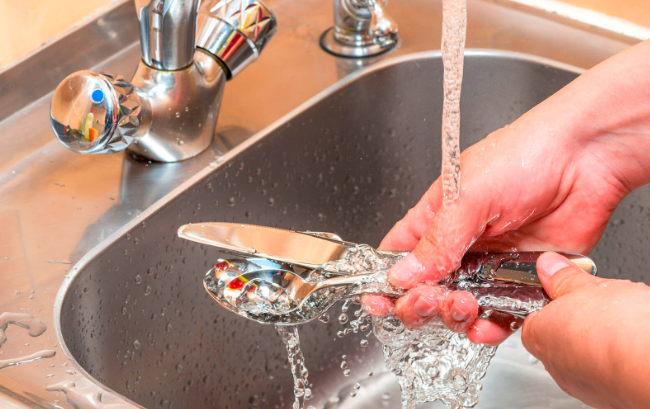
Every kitchen tool has its own quirks when it comes to cleaning — here’s a simple step-by-step breakdown for each one to keep them spotless and long-lasting.
Knives & Blades
Hand wash knives immediately after use with hot, soapy water and a soft sponge, always wiping from the spine down to the edge to avoid cuts. Dry thoroughly with a clean cloth right away to prevent rust and store in a knife block or magnetic strip — never loose in a drawer.
Cutting Boards
Scrape off food debris first, wash with hot, soapy water on both sides, and sanitize with a diluted bleach solution after cutting raw meat. For wooden boards, avoid soaking, dry upright immediately, and replace any board that develops deep grooves where bacteria can hide.
Pots & Pans
Let pots and pans cool completely before washing, then clean with hot, soapy water using a non-abrasive sponge for nonstick and a scrub brush for stainless steel. For stubborn stuck food, soak in warm water for 15–20 minutes, and always dry completely before stacking to prevent rust and moisture buildup.
Graters, Peelers & Zesters
Rinse immediately after use before food dries in the tiny holes, then scrub between the blades with a small brush or old toothbrush and wash with hot, soapy water. Dry completely and store in a drawer organizer to protect sharp edges, checking regularly for rust spots on fine zester blades.
Whisks, Tongs & Spatulas
Wash with hot, soapy water right after use, swirling whisks in soapy water to clean between wires and opening tongs fully to reach the inner grip area. Air dry completely before storing, and for silicone spatulas with detachable heads, always separate them to clean the handle joint thoroughly.
Small Appliances (Blenders, Food Processors)
Never submerge the motor base in water — wipe it with a damp cloth only — and for blenders, run warm soapy water for 30 seconds for a quick self-clean. Disassemble food processor parts, wash each piece separately, and allow everything to dry fully before reassembling to prevent trapped moisture and mold buildup.
How Often Should You Clean Each Tool?
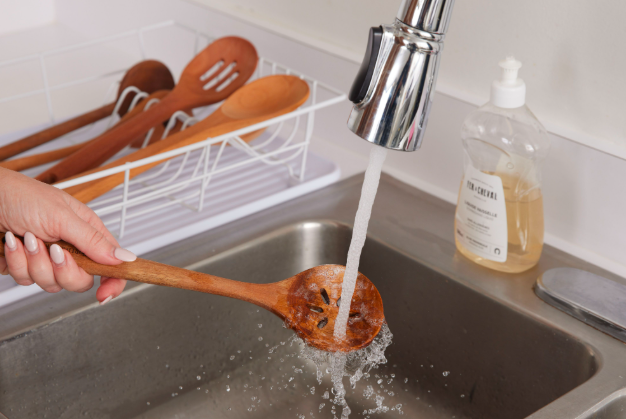
Knowing how often to clean your kitchen tools is just as important as knowing how to clean them.
Knives, cutting boards, pots, pans, and utensils should be washed after every single use as they come into direct contact with raw food and moisture.
Dish racks and utensil holders need a quick daily rinse, while graters, peelers, and can openers require a thorough deep clean at least once a week.
Small appliances like blenders and food processors should be fully disassembled and deep cleaned monthly, and wooden utensils and cast iron cookware need re-oiling and re-seasoning every few months to stay in top condition.
How to Properly Store Kitchen Tools?
Storing your kitchen tools the right way protects them from damage, keeps your space organized, and extends their lifespan — let’s dive into the best storage methods for every tool below.
- Knife Storage: Blocks, Magnetic Strips, Drawer Inserts: Knife blocks keep blades safely separated and easily accessible on the countertop, while magnetic strips mount on the wall to free up valuable counter space. Drawer inserts are a great hidden storage solution that keep blades protected and neatly organized without taking up any visible kitchen space.
- Storing Pots & Pans Without Scratching: Always place felt pan protectors or soft cloths between stacked cookware to prevent surface scratches and coating damage during storage. For nonstick pans especially, never stack them directly on top of each other — use a hanging rack or wall hooks to eliminate stacking altogether.
- Utensil Drawer Organization: Use drawer dividers or organizer inserts to separate spatulas, tongs, whisks, and peelers so they don’t pile on top of each other and cause damage. Group similar tools together and keep frequently used utensils at the front for quick, easy access during cooking.
- Hanging vs. Stacking vs. Drawer Storage: Hanging storage is best for pots, pans, and daily-use utensils as it saves cabinet space and keeps everything within immediate reach. Stacking suits bowls and lids with proper padding, while drawer storage works best for smaller tools that need to stay protected and out of sight.
- Small Appliance Storage Tips: Store small appliances on the countertop only if used daily — anything used less frequently should go into a clean, dry cabinet to avoid dust and grease buildup. Always ensure appliances are fully cooled and dry before storing, and wrap cords neatly to prevent tangling and long-term wire damage.
- Storing Wooden Tools to Prevent Warping: Never store wooden utensils or boards while still damp, as trapped moisture quickly leads to warping, cracking, and mold growth that permanently damages the wood. Store them upright in a utensil holder away from heat sources, and condition regularly with food-safe mineral oil to maintain strength and moisture resistance.
Storage Solutions for Small Kitchens
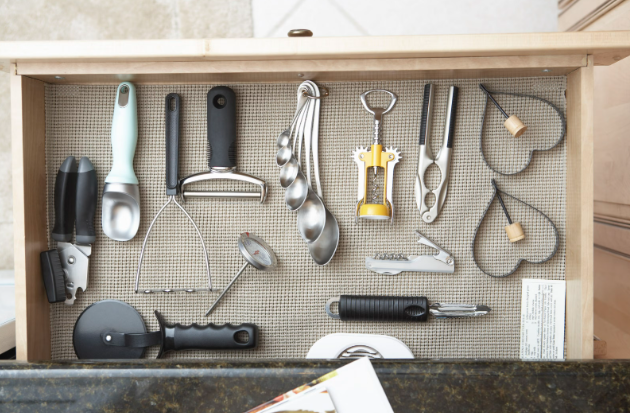
Limited kitchen space doesn’t mean limited organization — here are some smart, practical storage solutions designed to maximize every inch of your small kitchen efficiently.
Vertical Storage Hacks
Making use of vertical space is one of the smartest ways to free up the counter and cabinet room in a small kitchen. Install tall shelving units, stackable risers, or tiered cabinet organizers to store more tools and cookware without taking up any additional floor or counter space.
Wall-Mounted Options
Wall-mounted storage turns empty wall space into a highly functional organization system for a small kitchen. Use magnetic knife strips, pegboards with hooks, or mounted spice racks to keep frequently used tools, utensils, and ingredients off the counter and within easy reach.
Multi-Use Organizers
Investing in multi-use organizers that serve more than one purpose is a game changer for small kitchens with limited storage space. Look for utensil holders with built-in compartments, stackable containers with lids that double as trays, or drawer organizers that can be rearranged to fit different tool sizes and needs.
Cabinet Door Storage
The inside of cabinet doors is one of the most overlooked and underutilized storage spaces in any small kitchen. Mount over-the-door organizers, hooks, or slim racks on the inside of cabinet doors to store lids, wraps, cutting boards, and cleaning supplies without using any shelf space at all.
Common Cleaning & Storage Mistakes to Avoid
Even the most careful home cooks make small cleaning and storage mistakes that silently damage their tools over time — here’s what to watch out for and how to avoid them.
- Putting the Wrong Items in the Dishwasher: Knives, cast iron, wooden utensils, and nonstick cookware should never go in the dishwasher as the high heat and harsh detergents cause irreversible damage to their surfaces and coatings.
- Storing Tools While Still Damp: Putting away tools without drying them completely leads to rust, mold, and unpleasant odors developing quickly on metal, wood, and plastic surfaces.
- Stacking Knives Loose in Drawers: Tossing knives loosely into a drawer causes blades to dull, chip, and damage other tools with every open and close — always use a knife block, magnetic strip, or drawer insert instead.
- Soaking Wooden Items Too Long: Leaving wooden utensils or boards soaking in water causes the wood to swell, warp, crack, and develop deep bacterial growth in the grain that is nearly impossible to reverse.
Eco-Friendly Cleaning Methods
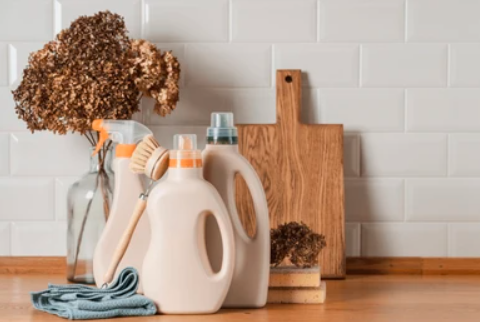
Cleaning your kitchen tools effectively doesn’t require harsh chemicals — below we’ll explore natural ingredient solutions, safer alternatives for food surfaces, and sustainable cleaning tools that are better for both your kitchen and the environment.
Vinegar, Baking Soda & Lemon Solutions
White vinegar, baking soda, and lemon juice are powerful natural alternatives that effectively cut grease, remove odors, scrub stubborn stains, and sanitize surfaces without leaving any harmful chemical residue behind.
Avoiding Harsh Chemicals Near Food Surfaces
Strong chemical cleaners like bleach sprays and ammonia products leave toxic residues on food-contact surfaces, so always opt for food-safe, plant-based, or natural cleaning solutions instead.
Sustainable Sponge & Cloth Alternatives
Ditch plastic sponges and switch to compostable cellulose sponges, reusable bamboo cloths, or washable cotton rags that are longer lasting, bacteria-resistant, and far better for the environment.
Frequently Asked Questions
Can I use the same cutting board for meat and vegetables?
No — always use separate cutting boards for raw meat and vegetables to prevent cross-contamination and the spread of harmful bacteria like Salmonella and E. coli.
How do I remove rust from kitchen tools?
Scrub light rust with a baking soda and water paste, or use fine steel wool for heavier rust on cast iron, then dry and oil the tool immediately to prevent it from returning.
Is it safe to use cracked or chipped kitchen tools?
No — cracked wooden utensils, chipped ceramics, and damaged nonstick coatings harbor bacteria and can contaminate food, so they should be replaced immediately.
How do I get rid of strong odors from kitchen tools?
Scrub with a paste of baking soda and lemon juice, or soak in a white vinegar and water solution for 30 minutes to naturally neutralize strong food odors without harsh chemicals.
How long do kitchen tools typically last with proper care?
High-quality knives and cast iron can last a lifetime with proper care, while nonstick pans typically need replacing every 3 to 5 years depending on usage and coating condition.
Should I sanitize kitchen tools differently during cold and flu season?
Yes — increase sanitizing frequency on high-touch tools like tongs, spatulas, and appliance handles using a diluted bleach solution or food-safe disinfectant during cold and flu season.
What is the best way to clean kitchen tools when traveling or in a small rental kitchen?
A small bottle of dish soap, a compact scrub brush, and white vinegar are all you need to effectively clean and sanitize most kitchen tools while traveling or cooking in a rental kitchen.
Conclusion
Keeping your kitchen tools clean and properly stored is not just about hygiene — it is about protecting your investment, extending the lifespan of every tool, and creating a safer, more efficient cooking environment every day.
By washing tools immediately after use, drying them thoroughly, using the right cleaning method for each material, and storing them correctly, you can prevent rust, bacteria, damage, and unnecessary replacements.
Make these simple habits a consistent part of your kitchen routine and your tools will stay in top condition, perform better, and serve you reliably for many years to come.
Related Articles
How to Get Rid of Mold in the Bathroom: Complete Step-by-Step Guide
486 Gelney Kitchen Exhaust Hood System: How It Works and Why It Matters
How Much Does a Plumber Cost? 2026 Complete Pricing Guide
Garage Door Bottom Seal Replacement: Complete Guide for Homeowners