
How Long Does a Home Inspection Take?
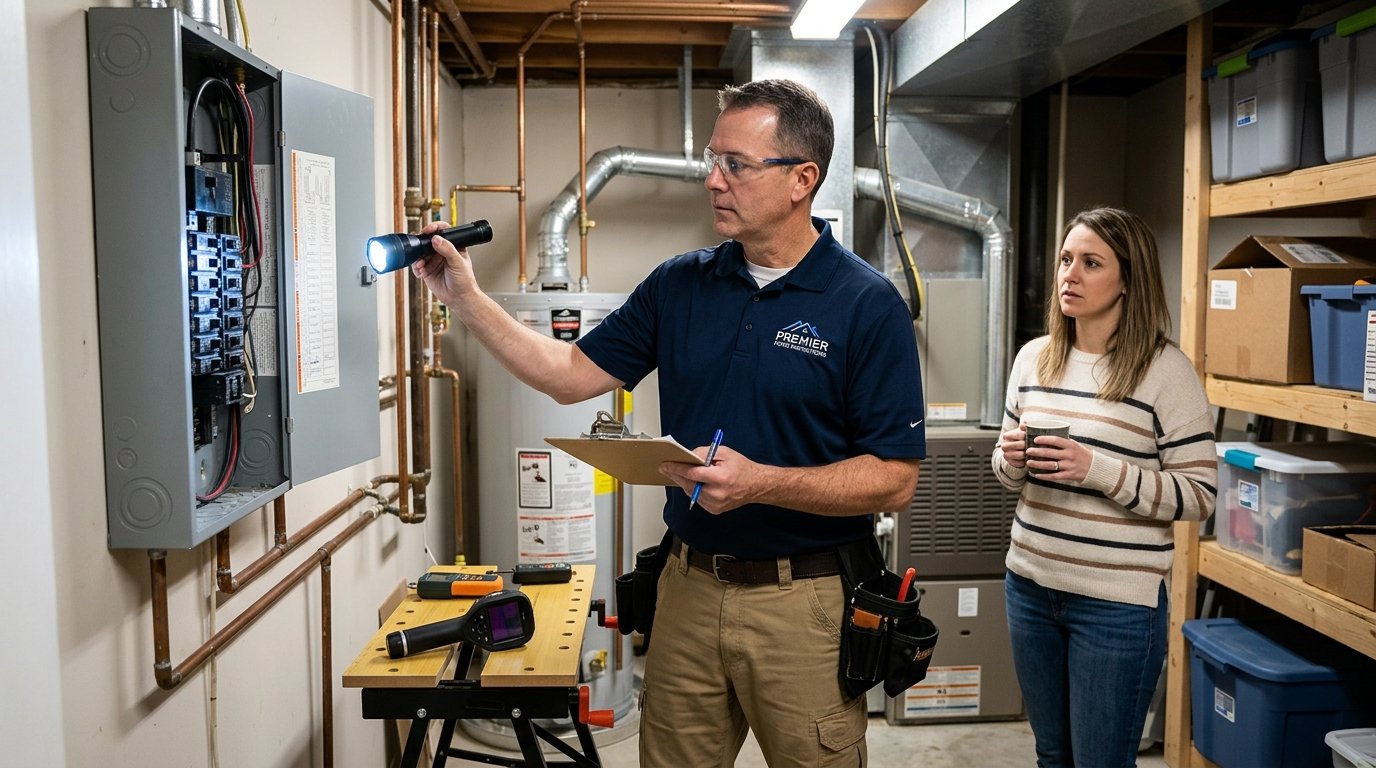
A standard home inspection typically takes between two to four hours to complete, depending on the size, age, and condition of the property. Larger homes with more systems and square footage naturally require more time for a thorough evaluation.
Average Time for Different Home Sizes
The size of a home is one of the biggest factors influencing inspection duration. A small condo or apartment under 1,000 square feet may only take about one and a half to two hours to inspect, since there are fewer rooms, systems, and structural elements to review.
A mid-sized single-family home between 1,500 and 2,500 square feet usually takes closer to two and a half to three hours, as the inspector needs to check multiple bedrooms, bathrooms, an attic, a basement or crawl space, and the exterior. Larger homes above 3,000 square feet, especially those with finished basements, multiple HVAC units, or additional structures like garages and sheds, can take three and a half to five hours or longer.
Time Based on Home Age
Older homes generally take longer to inspect than newer construction because of outdated systems and potential hidden issues. A home built before 1980 may have older wiring, plumbing, or foundation concerns that require closer examination, adding thirty minutes to an hour to the overall process.
Newer homes, especially those built within the last ten years, tend to move faster since materials and systems are more modern and less likely to show significant wear. Inspectors still check everything carefully, but fewer red flags usually mean quicker documentation.
Factors That Affect Home Inspection Duration
Several variables beyond just square footage can either speed up or slow down an inspection. Understanding these factors helps set realistic expectations before inspection day arrives.
Property Condition and Maintenance History
A well-maintained home with clear access to all areas allows the inspector to move efficiently through the checklist without unnecessary delays. If a property has been neglected, has cluttered storage areas, or shows signs of water damage, pest issues, or structural concerns, the inspector will need extra time to document findings thoroughly. Homes with recent renovations may also require additional scrutiny to confirm that work was completed properly and up to code.
Accessibility of Systems and Areas
Inspectors need clear access to attics, crawl spaces, electrical panels, and mechanical rooms to complete their evaluation. If furniture, storage boxes, or locked doors block these areas, the inspection can take longer because the inspector may need to wait for access or work around obstacles. Homes with easily accessible systems tend to move through the process much faster than those requiring extra coordination.
Additional Services Requested
Many buyers choose to add specialized inspections alongside the general home inspection, and each additional service extends the total time on-site. Radon testing, mold testing, termite inspections, and sewer scope inspections are common add-ons that can each add anywhere from thirty minutes to a couple of hours. Pool and spa inspections, well and septic system checks, and detailed roof certifications also contribute additional time when bundled with the main inspection.
Here is a quick reference table showing how these add-on services typically affect total inspection time:
| Additional Service | Approximate Extra Time |
| Radon Testing | 30 to 45 minutes (setup only; results take 48 hours) |
| Termite/Pest Inspection | 30 to 60 minutes |
| Sewer Scope Inspection | 45 to 90 minutes |
| Pool/Spa Inspection | 30 to 60 minutes |
| Well Water Testing | 30 to 45 minutes |
| Mold Testing | 45 to 90 minutes |
Inspector Experience and Approach
The experience level and working style of the inspector also play a role in how long the process takes. A highly experienced inspector often works efficiently while still being thorough, having developed a systematic routine over years of practice. Newer inspectors, or those who take extra care to explain findings to the buyer in real time, may take somewhat longer since they are pausing to answer questions or double-check unfamiliar issues.
What Happens During a Home Inspection
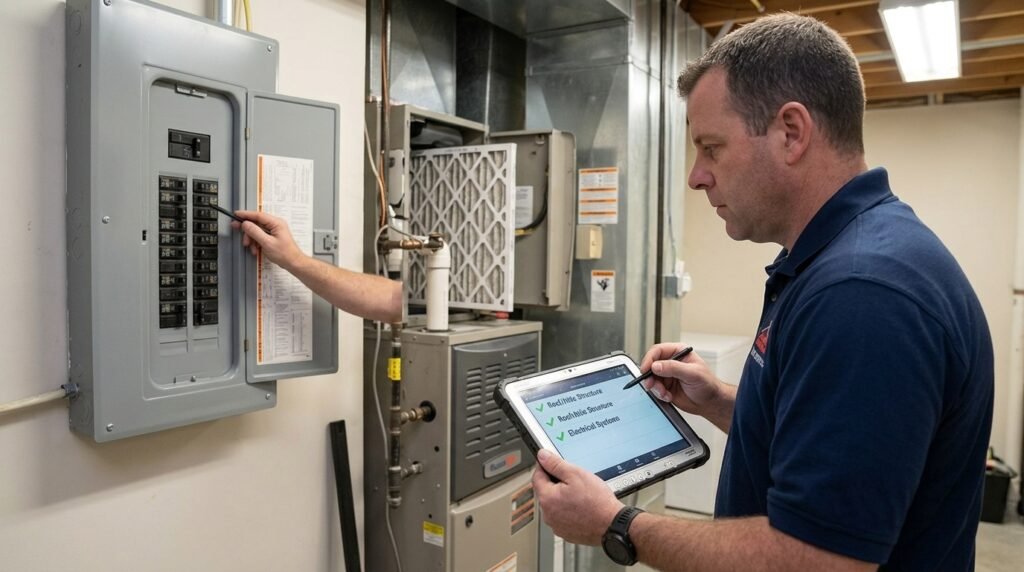
Understanding the actual process helps explain why inspections take the amount of time they do. The inspector follows a structured path through the property, examining both major systems and smaller details.
Exterior Inspection Process
The exterior portion typically takes thirty minutes to an hour and covers the roof, siding, foundation, windows, doors, gutters, and grading around the home. Inspectors look for signs of water damage, cracks, poor drainage, or deteriorating materials that could indicate larger underlying problems. They also examine the driveway, walkways, and any visible structural elements from the outside.
Interior Inspection Process
Moving indoors, the inspector spends roughly one to two hours reviewing each room, checking windows, doors, flooring, walls, and ceilings for damage or defects. This portion also includes testing electrical outlets, checking for proper ventilation, and inspecting bathrooms and kitchens for plumbing issues. The interior walkthrough tends to take the longest portion of time since it covers the most individual components.
Systems and Mechanical Review
Checking the HVAC system, water heater, electrical panel, and plumbing systems generally takes thirty minutes to an hour depending on the complexity and age of these components. Inspectors test functionality where possible, such as running the furnace or air conditioning and checking water pressure. Any irregularities found here often require additional time for documentation and photos.
How Long Should Buyers Plan to Be Present
Buyers are not required to stay for the entire inspection, but many choose to attend at least part of it to ask questions directly. Being present for the final thirty to forty-five minutes is often enough to get a summary walkthrough of major findings without needing to be there for the full multi-hour process.
Benefits of Attending the Full Inspection
Staying for the complete inspection allows buyers to see issues firsthand rather than only reading about them in a report later. This hands-on understanding can be especially valuable for first-time buyers who want to learn more about how their potential new home functions. Direct observation also makes it easier to ask specific questions about maintenance and repair costs on the spot.
Benefits of Joining Only the Summary
For buyers with busy schedules, arriving toward the end of the inspection still provides meaningful value without requiring hours of waiting. The inspector can walk through major findings, show photos of any problem areas, and answer key questions in a condensed format. This approach works well for experienced buyers who are comfortable reviewing the full written report afterward.
Comparing Inspection Times: What Other Sources Say
Most industry sources and inspection associations agree that the typical range for a home inspection falls between two and four hours, which aligns closely with real-world averages across different regions. Some sources emphasize condo and townhome inspections on the shorter end, often citing one to two hours, while larger custom homes or properties with acreage can push past five hours in more detailed breakdowns. The consensus across reliable sources is that square footage, age, and add-on services remain the three biggest variables, which matches the guidance provided above.
Frequently Asked Questions
Does a home inspection take longer for a multi-story house?
Yes, multi-story homes generally take longer than single-story homes of the same square footage because inspectors must move between floors and check each level’s systems separately.
Can a home inspection be completed in under two hours?
Small properties like condos or manufactured homes can sometimes be completed in under two hours, though this depends heavily on accessibility and overall condition.
Should I schedule extra time if I’m adding a radon test?
Yes, radon testing requires equipment to sit undisturbed for at least forty-eight hours, so while setup only takes a short time, results won’t be available immediately after the main inspection.
Does weather affect how long an inspection takes?
Rain or snow can sometimes shorten roof inspections for safety reasons, but it may lengthen other parts of the inspection since inspectors pay closer attention to drainage and moisture issues.
Conclusion
A typical home inspection takes between two and four hours, with size, age, condition, and any additional services being the main factors that influence the final timeline. Buyers can plan their schedule around this average while understanding that larger or older homes may require extra time for a thorough review.
Related articles
Can You Use Ceiling Paint on Walls? The Surprising Benefits and Drawbacks
Why Is My Toilet Bubbling? 7 Real Causes and How to Fix Them
Joist Tape for Decking: The Complete Guide to Protecting Your Deck’s Substructure
Soft Wash Roof Cleaning: The Safe Way to Clean Your Roof
What Is an Asbestos Stucco Ceiling? Learn the risks and stay safe.