




A damaged or poorly working shower door can create many problems in your bathroom, from water leaks to difficulty opening and closing the door properly. Over time, shower doors may develop issues like loose hinges, damaged rollers, cracked seals, or misaligned tracks due to regular use and moisture exposure.
In this article, we will discuss the most common shower door problems, the signs that indicate your shower door needs repair, and the essential tools required for fixing different issues. Whether you have a sliding, hinged, or frameless shower door, this guide will help you understand the basics of shower door repair in a simple and practical way.
Common Shower Door Problems
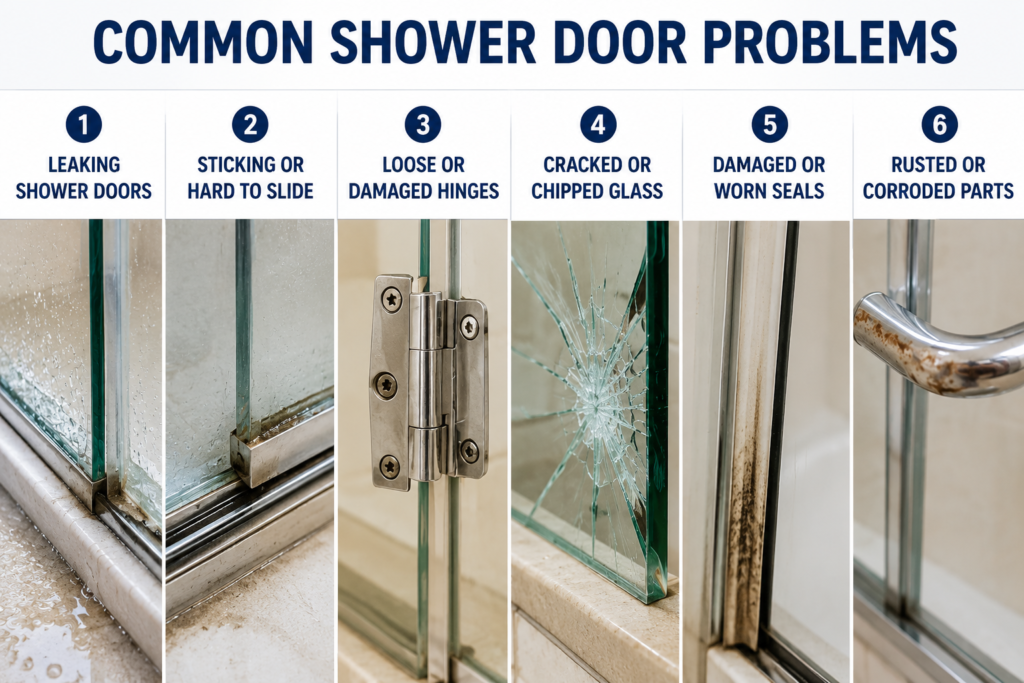
Shower doors can develop different problems over time because of daily use, moisture, and worn parts. These issues may affect door movement, cause water leaks, or create safety concerns that require repair.
Below are some of the most common shower door problems homeowners often face and need to repair.
Shower Door Leaking Water
Water leakage is one of the most common shower door problems. It usually happens when the bottom seal, side sweeps, or rubber strips become worn, loose, or damaged. Small gaps around the door can allow water to escape onto the bathroom floor during showers.
Sliding Shower Door Off Track
Sliding shower doors can come off track because of dirt buildup, damaged rollers, or bent tracks. When this happens, the door may feel unstable, difficult to slide, or may completely stop moving smoothly. Ignoring the issue can cause further damage to the rollers and frame.
Shower Door Won’t Close Properly
A shower door may not close correctly if the hinges become loose or the door becomes misaligned. In some cases, the magnetic strips or latches no longer connect properly, leaving small openings. This problem can also lead to water leaks and reduced privacy.
Loose Hinges and Handles
Over time, shower door hinges and handles can loosen due to constant opening and closing. Loose hardware may cause shaking, rattling, or difficulty operating the door safely. If not tightened or repaired, the glass door can become unstable.
Broken Rollers or Tracks
Rollers help sliding shower doors move smoothly along the track. When rollers crack, wear out, or become stuck, the door may drag or produce grinding noises. Damaged tracks can also prevent proper door movement and may cause alignment problems.
Cracked or Chipped Glass
Shower door glass can develop cracks or chips from accidental impact or pressure around the edges. Even small damage can weaken the glass over time and increase the risk of shattering. Cracked glass should never be ignored because it can become a safety hazard.
Rust and Corrosion Problems
Metal shower door parts are constantly exposed to moisture, which can lead to rust and corrosion. Hinges, screws, frames, and tracks are the areas most commonly affected. Rust buildup can weaken hardware and make the shower door harder to operate properly.
Signs Your Shower Door Needs Repair
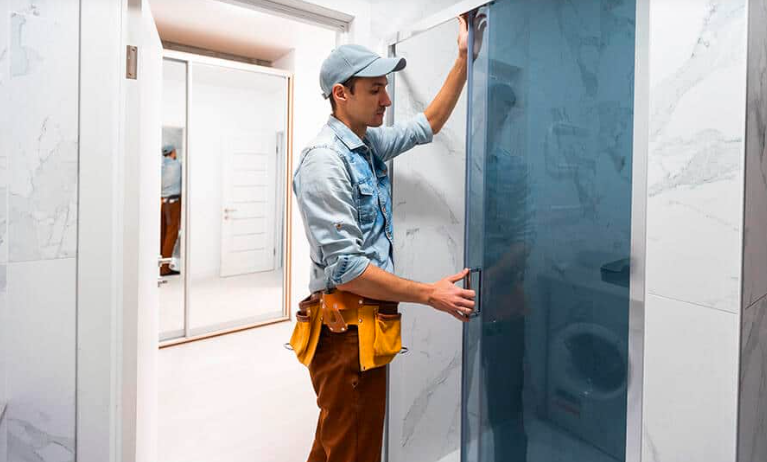
Shower doors often show small warning signs before serious problems develop. Below are some common signs that indicate your shower door may need repair or maintenance.
- Difficulty Opening or Closing: The shower door may stick, slide unevenly, or become difficult to move because of alignment issues, dirty tracks, or worn rollers.
- Water Leaking Outside the Shower: Water leaking onto the bathroom floor can be caused by damaged seals, loose frames, or gaps around the shower door.
- Grinding or Squeaking Sounds: Strange noises during movement often indicate rusted hardware, dirty tracks, or damaged rollers that need attention.
- Visible Cracks or Rust: Cracked glass and rusted metal parts can weaken the shower door structure and create safety concerns over time.
- Loose Hardware or Wobbling Door: Loose hinges, handles, or screws may cause the shower door to shake or feel unstable during use.
Tools Needed for Shower Door Repair
Using the right tools can make shower door repair easier, safer, and more effective. Different repair problems may require different tools depending on the type of shower door and the damaged parts.
| Tool | Use |
| Screwdriver | Tightening or removing screws from hinges, handles, and tracks |
| Silicone Sealant | Sealing gaps to prevent water leaks around the shower door |
| Replacement Rollers | Replacing damaged or worn rollers on sliding shower doors |
| Glass Cleaner | Cleaning glass panels, tracks, and removing soap buildup |
| Wrench | Adjusting nuts, bolts, and securing hardware parts |
| Drill | Installing new hardware or repairing loose mounting points |
| Epoxy Resin Kit | Repairing small chips or minor cracks in shower door glass |
| Measuring Tape | Measuring door alignment, track size, and replacement parts |
How to Repair a Sliding Shower Door?
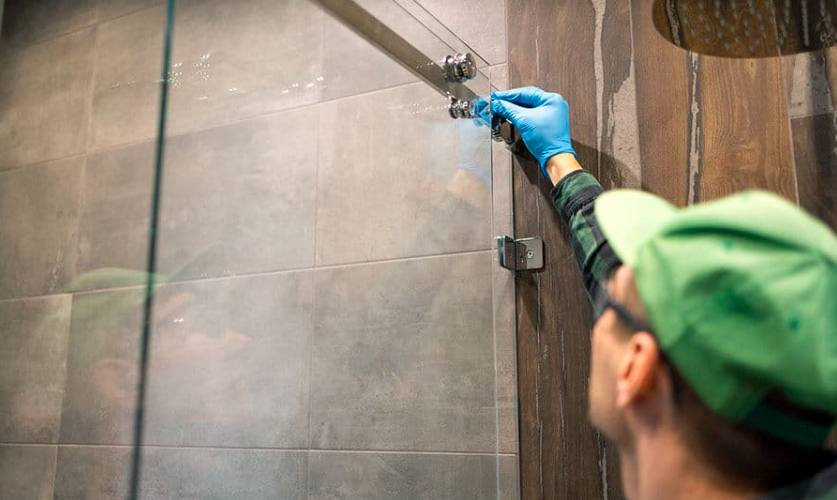
Sliding shower doors can develop movement problems over time because of dirt buildup, damaged rollers, or track alignment issues. Regular cleaning and simple repairs can help restore smooth and safe door operation.
Cleaning the Shower Door Track
Shower door tracks often collect soap scum, dirt, and mineral deposits that block smooth movement. Cleaning the track with a brush and glass cleaner can help the door slide more easily and prevent roller damage.
Adjusting Misaligned Sliding Doors
A sliding shower door may become uneven if the rollers or track shift out of position. Adjusting the roller height or repositioning the door can help restore proper alignment and smoother movement.
Replacing Damaged Rollers
Worn or cracked rollers can make the shower door difficult to slide or create grinding noises. Replacing damaged rollers helps improve door movement and reduces strain on the track system.
Fixing a Door That Keeps Coming Off Track
A shower door that repeatedly comes off track may have bent tracks, loose rollers, or alignment problems. Securing the rollers correctly and checking the track condition can help keep the door stable during use.
Lubricating Sliding Mechanisms
Dry rollers and tracks can cause resistance and noisy movement. Applying a suitable lubricant to the sliding parts can improve smooth operation and reduce friction between the rollers and track.
Fixing a Shower Door That Won’t Close Properly
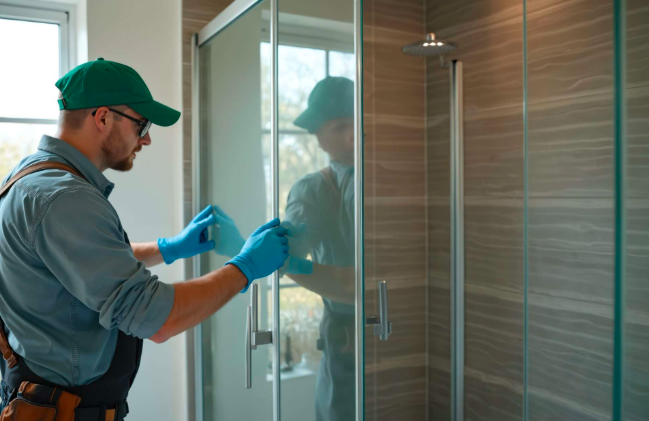
A shower door that does not close properly can lead to water leaks, gaps, and difficulty using the shower safely. This problem is often caused by alignment issues, loose hardware, or buildup around the door edges.
Checking Door Alignment
A misaligned shower door may leave uneven gaps or fail to close completely. Checking the position of the door and adjusting it properly can help restore smooth closing.
Tightening Loose Hinges
Loose hinges can cause the shower door to sag or shift out of place over time. Tightening the hinge screws helps improve door stability and proper closing.
Replacing Magnetic Strips
Magnetic strips help keep certain shower doors sealed when closed. If the strips become weak, damaged, or detached, the door may not stay shut properly and may need replacement.
Removing Dirt and Soap Scum Buildup
Soap scum and mineral deposits around the edges or tracks can block proper door movement. Cleaning these areas thoroughly can help the shower door close more smoothly and evenly.
Shower Door Leak Repair
Water leaks around a shower door can damage bathroom floors, walls, and nearby fixtures if not repaired early. Below are some common ways to identify and fix shower door leaks.
- Identifying the Source of the Leak: Check the bottom seal, side gaps, door edges, and frame connections to find where water is escaping during showers.
- Replacing Bottom Door Seals: Worn or damaged bottom seals can allow water to leak onto the floor. Replacing the seal helps improve water protection around the shower area.
- Repairing Side Seals and Gaskets: Side seals and rubber gaskets may loosen, crack, or shrink over time. Repairing or replacing these parts can help stop leaks around the door edges.
- Applying Waterproof Silicone Sealant: Silicone sealant is used to close small gaps around the shower frame and tracks. Proper sealing helps prevent water from leaking outside the shower enclosure.
Repairing Shower Door Rollers and Tracks
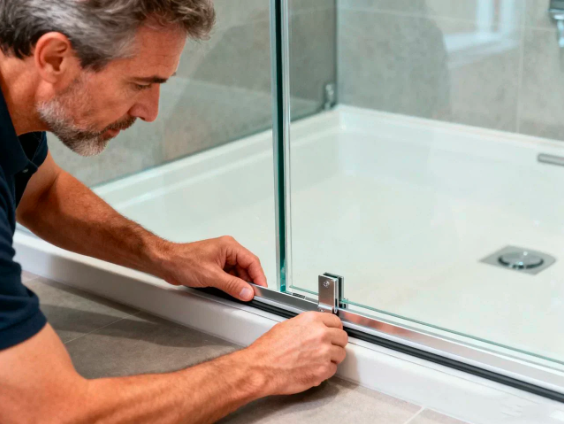
Damaged rollers and tracks can affect the smooth movement and stability of a sliding shower door. Below are some common roller and track repair steps that help fix these problems.
Signs of Worn-Out Rollers
Worn rollers may cause grinding noises, rough movement, or difficulty sliding the shower door. In some cases, the door may also feel loose or come off track frequently.
How to Remove Old Rollers
Old rollers are usually removed by loosening the screws or brackets holding them in place. The shower door may need to be lifted carefully from the track before replacing the damaged rollers.
Installing New Shower Door Rollers
New rollers should match the size and type of the original hardware for proper fitting. After installation, the rollers should move smoothly along the track without resistance.
Preventing Future Track Damage
Keeping the tracks clean and free from dirt buildup can reduce wear on the rollers. Regular maintenance and avoiding excessive force while opening the door can also help extend track life.
How to Fix Loose Shower Door Hinges?
Loose shower door hinges can make the door unstable and difficult to use safely. Below are some common causes and repair methods used to fix hinge problems.
Causes of Loose Hinges
Shower door hinges can become loose because of daily use, moisture exposure, rust, or worn mounting screws. Heavy glass doors may also place extra pressure on the hinges over time.
Tightening Hinge Screws
Loose screws are one of the most common causes of hinge movement. Tightening the screws carefully can help improve door stability and restore proper alignment.
Replacing Damaged Hinges
Rusted, cracked, or worn hinges may no longer support the shower door correctly. Replacing damaged hinges helps keep the door secure and operating smoothly.
Preventing Hinge Wear
Regular cleaning and checking hinge screws can help reduce wear and prevent future problems. Avoiding excessive force while opening or closing the door can also extend hinge life.
Repairing Cracked or Chipped Shower Glass
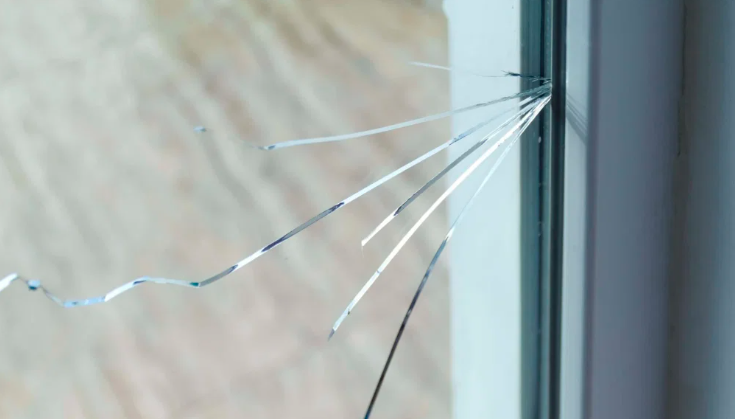
Small chips or cracks in shower glass can sometimes be repaired before the damage becomes worse. Below are some common repair methods and safety precautions for handling damaged shower glass.
When Minor Cracks Can Be Repaired
Small surface chips and short cracks may be repairable if the damage is not spreading across the glass. Early repair can help reduce the risk of further cracking.
Using an Epoxy Glass Repair Kit
Epoxy repair kits are commonly used to fill small cracks and chips in shower glass. The resin helps strengthen the damaged area and improve the appearance of the glass surface.
When Glass Replacement Is Necessary
Large cracks, deep chips, or shattered glass usually require full replacement for safety reasons. Severely damaged glass may become unstable and unsafe to use.
Safety Precautions During Glass Repair
Protective gloves and eye protection should be used while handling cracked glass. It is also important to avoid applying pressure to damaged areas during the repair process.
Shower Door Repair Costs
The cost of shower door repair depends on the type of damage, replacement parts, and labor involved. Minor repairs are usually more affordable, while major glass or full door replacements can cost significantly more.
| Repair Type | Average Cost Range | What’s Included | Difficulty Level |
| Roller Replacement | $20 – $80 | Replacing worn or damaged sliding door rollers | Easy |
| Seal Replacement | $15 – $60 | Installing new bottom seals, side seals, or gaskets | Easy |
| Glass Repair | $50 – $200 | Repairing small chips or minor cracks using repair kits | Medium |
| Hinge Repair | $40 – $150 | Tightening, adjusting, or replacing damaged hinges | Medium |
| Track Repair | $50 – $180 | Fixing bent, damaged, or misaligned shower door tracks | Medium |
| Full Shower Door Replacement | $300 – $1,500+ | Replacing the complete shower door system and hardware | Hard |
When to Replace Instead of Repair a Shower Door
In some situations, replacing the entire shower door may be a better option than repeated repairs. Below are some common signs that indicate a full replacement may be necessary.
- Severe Glass Damage
Large cracks, shattered glass, or deep chips can weaken the entire shower door and create serious safety risks. - Extensive Rust
Heavy rust on tracks, hinges, frames, or hardware can damage the door structure and reduce its stability over time. - Repeated Repair Issues
If the same problems continue happening after multiple repairs, replacing the shower door may be more cost-effective in the long run. - Old Shower Door Systems
Older shower doors may have outdated hardware, worn parts, or poor sealing that makes repairs less practical and less reliable.
Tips to Prevent Future Shower Door Damage
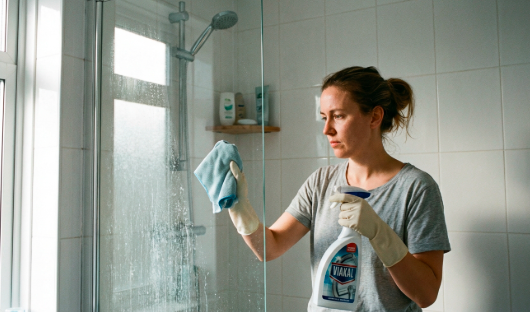
Regular maintenance and proper use can help extend the life of your shower door and reduce the risk of costly repairs. Below are some simple ways to help prevent future shower door damage.
Clean Tracks Regularly
Shower door tracks can collect soap scum, dirt, and mineral deposits over time. Regular cleaning helps maintain smooth door movement and reduces wear on rollers.
Avoid Slamming the Door
Closing the shower door with excessive force can damage hinges, rollers, tracks, and glass panels. Gentle use helps prevent unnecessary stress on the door system.
Inspect Hinges and Rollers Frequently
Checking hinges, screws, and rollers regularly can help identify loose or worn parts early. Quick maintenance can prevent larger repair problems later.
Replace Seals Before They Fail
Worn seals and gaskets may eventually cause water leaks around the shower door. Replacing them early helps maintain proper sealing and prevents moisture damage.
Keep Glass Dry After Showering
Drying the glass after each shower can reduce water spots, soap buildup, and mineral deposits. This also helps lower the risk of rust and corrosion on metal parts.
Conclusion:
Shower door problems like leaks, loose hinges, damaged rollers, cracked glass, and track issues are common in many bathrooms. Identifying these problems early and using the correct repair methods can help improve the safety, appearance, and performance of your shower door.
Regular cleaning, proper maintenance, and replacing worn parts on time can also help prevent future damage. Whether you are fixing a sliding shower door, repairing seals, or replacing hardware, understanding the basics of shower door repair can make the process easier and more effective.
FAQs
How Long Do Shower Doors Last?
Most shower doors last around 15 to 30 years with proper care and maintenance. Regular cleaning and timely repairs can help extend their lifespan.
What Causes Shower Door Misalignment?
Shower door misalignment is usually caused by loose hinges, worn rollers, or damaged tracks. Dirt buildup and daily use can also shift the door out of position.
How Often Should Shower Door Seals Be Replaced?
Shower door seals should typically be replaced every 2 to 5 years. Replace them sooner if you notice leaks, cracks, or mold buildup.
Why Is My Shower Door Leaking?
A shower door may leak because of damaged seals, poor alignment, or gaps around the frame. Clogged tracks and worn gaskets can also cause water leaks.
Can Cracked Shower Glass Be Fixed?
Small cracks or chips may be repaired using an epoxy glass repair kit. Large or spreading cracks usually require full glass replacement for safety.
Related Articles
How to Clean and Store Kitchen Tools: The Complete Guide
Shower Door Repair: Complete Guide to Fix Common Shower Door Problems
Garage Door Bottom Seal Replacement: Complete Guide for Homeowners
Roof Repairs Worcester: Your Complete Local Guide to a Safe and Lasting Roof
Can You Paint Metal Roofing? The Complete Guide for Homeowners & Pros