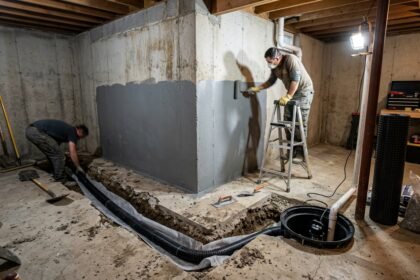

A cold basement is one of the most common complaints in homes with below-grade living space, and it usually has less to do with bad luck and more to do with how the area was built in the first place. Basements sit partly or fully underground, which means they lose heat differently than the rest of the house, and small gaps in insulation or sealing can make a noticeable difference in comfort.
Whether the space is used for storage, a home gym, or a finished family room, learning how to make the basement warmer starts with understanding why it gets cold in the first place. Once the cause is clear, fixing it becomes a matter of choosing the right combination of insulation, sealing, heating, and moisture control.
This guide walks through each of these areas in a simple, practical order so the coldest room in the house does not stay that way. The goal is a basement that feels comfortable year-round without a complicated renovation or a huge jump in the utility bill.
Why Is Your Basement So Cold?
Before applying any fix, it helps to understand where the cold is actually coming from, since basements lose heat through several different paths at once. The sections below break down the four most common reasons a basement stays chilly even when the rest of the house feels fine.
Poor Insulation
Many basements, especially unfinished ones, have little to no insulation on the walls, rim joists, or floor above. Concrete and masonry conduct cold efficiently, so without a thermal barrier, the chill from the surrounding soil transfers directly into the living space. This is usually the single biggest reason a basement feels colder than every other room.
Air Leaks and Drafts
Basements often have small gaps around windows, doors, the sill plate, and utility penetrations where pipes or wires enter the home. These gaps let cold outside air seep in continuously, which lowers the overall temperature even if the insulation itself is decent. Drafts are also one of the easiest problems to fix, since sealing is inexpensive and fast.
Below-Grade Location and Concrete Surfaces
Because basements sit partially underground, they are naturally cooler due to contact with the earth, which stays cold for much of the year. Concrete floors and walls also absorb and hold cold temperatures, making the space feel colder to the touch than the actual air temperature suggests. This is why bare concrete floors often feel uncomfortable even in a room that is technically heated.
Lack of Direct Heating or HVAC Access
In many homes, the basement is the last stop for heated air or is not connected to the main HVAC system at all. Without a direct or efficient heat source, the space relies on leftover warmth from the floor above, which is rarely enough to keep it comfortable. This makes dedicated heating solutions an important part of any long-term fix.
Insulation Solutions
Since poor insulation is usually the root cause of a cold basement, addressing it first tends to produce the biggest improvement. The following methods target the specific areas where heat loss is most severe.
Insulating Basement Walls
Adding rigid foam board or spray foam insulation to basement walls creates a thermal barrier between the living space and the cold masonry behind it. This step alone can significantly raise the perceived temperature of the room, since wall surfaces no longer feel cold to the touch. It also helps prevent condensation issues that often come with uninsulated concrete.
Insulating the Rim Joist
The rim joist, where the foundation meets the wooden framing of the house, is a common spot for major heat loss and drafts. Sealing and insulating this narrow band with foam board or spray foam closes one of the most overlooked gaps in basement construction. Because this area is often small, it is also one of the more affordable insulation upgrades to complete.
Insulating the Floor Above
In basements that remain unfinished, adding insulation between the floor joists above helps trap warmth in the upper living areas while reducing cold transfer downward. Fiberglass batts or rigid foam are both common choices for this application. This method is particularly useful when finishing the basement itself is not part of the current plan.
Choosing the Right Insulation Type
Different insulation materials suit different basement conditions, and picking the right one affects both performance and cost. Foam board works well for flat wall surfaces, spray foam is better for irregular gaps and joints, and fiberglass batts are typically reserved for floor cavities. Matching the material to the location ensures the insulation performs as expected.
Sealing Air Leaks
Insulation works best when paired with proper sealing, since even well-insulated walls lose effectiveness if cold air keeps entering through gaps. This section covers the main entry points worth checking.
Windows and Doors
Basement windows and doors are frequent sources of drafts, especially in older homes where weatherstripping has worn down over time. Caulking around frames and replacing damaged weatherstripping can noticeably reduce cold air infiltration. In some cases, adding interior window inserts or thermal curtains provides an extra layer of protection.
Sill Plate and Foundation Cracks
The sill plate, along with any visible cracks in the foundation, should be checked and sealed with appropriate caulk or expanding foam. These gaps are often small but numerous, and their combined effect on temperature can be significant. Sealing them is inexpensive and usually takes only a few hours.
Pipe and Wire Penetrations
Every place a pipe, cable, or vent passes through a basement wall or floor is a potential air leak. Using expanding foam or specialized sealant around these penetrations closes gaps that are easy to overlook during a general inspection. This step pairs well with rim joist sealing since both target similar problem areas.
Heating Options for a Basement
Once insulation and sealing are handled, adding a dedicated heat source ensures the basement stays consistently warm rather than relying on passive heat retention alone. The methods below range from simple to more involved installations.
Portable Space Heaters
Electric space heaters offer a fast, low-cost way to warm a basement without any construction work. They work well for occasional use or smaller basements but can become expensive to run continuously in larger spaces. Safety features like automatic shutoff are worth prioritizing when choosing one.
Mini-Split Systems
Ductless mini-split heat pumps provide efficient, year-round heating and cooling specifically for the basement zone. Because they do not require ductwork, installation is often simpler than extending a central HVAC system. They are a strong option for basements used as regular living space.
Extending Existing Ductwork
If the home already has central heating, running a supply duct into the basement can integrate the space into the existing system. This typically requires professional installation to ensure proper airflow and balance across the house. It is a practical option for basements that are already partially finished.
Radiant Floor Heating
Radiant heating installed under the basement flooring warms the room from the ground up, directly addressing the cold-concrete problem. While installation costs are higher than other methods, it offers long-term comfort and even heat distribution. This option works especially well when paired with new flooring installation.
Managing Moisture and Humidity
Temperature and humidity are closely linked in basements, and controlling moisture is an important part of making the space feel genuinely warmer.
Using a Dehumidifier
Basements tend to hold more moisture than other parts of the house due to their below-grade location. Running a dehumidifier reduces excess humidity, which in turn makes the air feel warmer and more comfortable. It also helps protect insulation and building materials from moisture damage over time.
Why Dry Air Feels Warmer?
Humid air conducts heat away from the body more efficiently than dry air, which is why damp basements often feel colder than their actual temperature. Lowering humidity levels allows the same room temperature to feel noticeably warmer without adjusting the thermostat. This makes a dehumidifier one of the more cost-effective comfort upgrades available.
Preventing Cold, Damp Conditions
Beyond comfort, controlling moisture prevents the kind of damp, musty conditions that make basements feel unpleasant regardless of temperature. Combining a dehumidifier with proper drainage and ventilation keeps the space both warmer and healthier. This is especially important in basements prone to seasonal humidity spikes.
Flooring and Surface Fixes
Since concrete floors are a major source of perceived cold, addressing the flooring itself can make a noticeable difference in comfort.
Adding Rugs or Carpet
Placing area rugs or wall-to-wall carpet over concrete floors adds a layer of insulation between bare feet and the cold surface below. This is one of the simplest and least expensive upgrades available, and it can be done without any construction. Thicker rugs with padding underneath offer the best insulating effect.
Insulated Subflooring Options
For a more permanent solution, installing an insulated subfloor system beneath finished flooring creates a thermal break between the concrete slab and the living space. This approach works well for basements undergoing a full renovation. It also improves comfort underfoot in addition to raising the room’s overall temperature.
Comparison Table
The table below summarizes the main methods for making a basement warmer, along with their general cost, effort, and best use case.
| Method | Cost Level | Effort | Best For |
| Wall and rim joist insulation | Moderate | Moderate | Unfinished or partially finished basements |
| Air sealing (windows, sill plate, penetrations) | Low | Low | Any basement with noticeable drafts |
| Portable space heater | Low | Low | Occasional use or small spaces |
| Mini-split heat pump | High | High | Regular living space, year-round use |
| Ductwork extension | Moderate to High | High | Homes with existing central HVAC |
| Radiant floor heating | High | High | Full basement renovations |
| Dehumidifier | Low | Low | Humid or damp basements |
| Rugs or insulated subflooring | Low to Moderate | Low to Moderate | Concrete floor cold spots |
Quick Tips for Immediate Warmth
For those looking for faster results before a bigger project, a few small changes can help right away. Closing off the basement stairwell with a door or curtain traps warm air from escaping upward, while placing a draft stopper at the base of any exterior door reduces cold air entry.
Running a space heater in the most-used area of the basement, rather than trying to heat the entire room, also delivers noticeable comfort without a large investment. These steps work well as a starting point while more permanent insulation and heating upgrades are planned.
FAQs
Does insulating the basement ceiling help keep it warmer? Insulating the floor above the basement helps retain heat in the upper living space but does less to warm the basement itself, so wall insulation is usually more effective for this specific goal.
Is it cheaper to insulate or add a heater? Sealing and insulation typically offer better long-term savings, while heaters provide faster but more costly short-term warmth, so combining both approaches often works best.
Can a dehumidifier really make a basement feel warmer? Yes, reducing humidity lowers the rate at which the body loses heat to the surrounding air, making the same temperature feel more comfortable.
Conclusion
Making a basement warmer usually comes down to addressing a combination of insulation gaps, air leaks, limited heating access, and excess moisture rather than relying on a single fix.
Starting with sealing and insulation provides the strongest foundation, while adding a suitable heating method and controlling humidity rounds out a comfortable, energy-efficient space. With these changes in place, even a naturally cool below-grade room can become a warm, usable part of the home throughout the year.
RELATED POSTS
What Is Roof Decking? A Complete Guide 2026
How to Attach Hardwood Floor to Concrete Complete guide 2026
Why Is My Toilet Bubbling? 7 Real Causes and How to Fix Them
Roof Leaks in Heavy Rain: Causes, Signs & Fixes
Factors Affecting Door Installation Cost: What You Need to Know