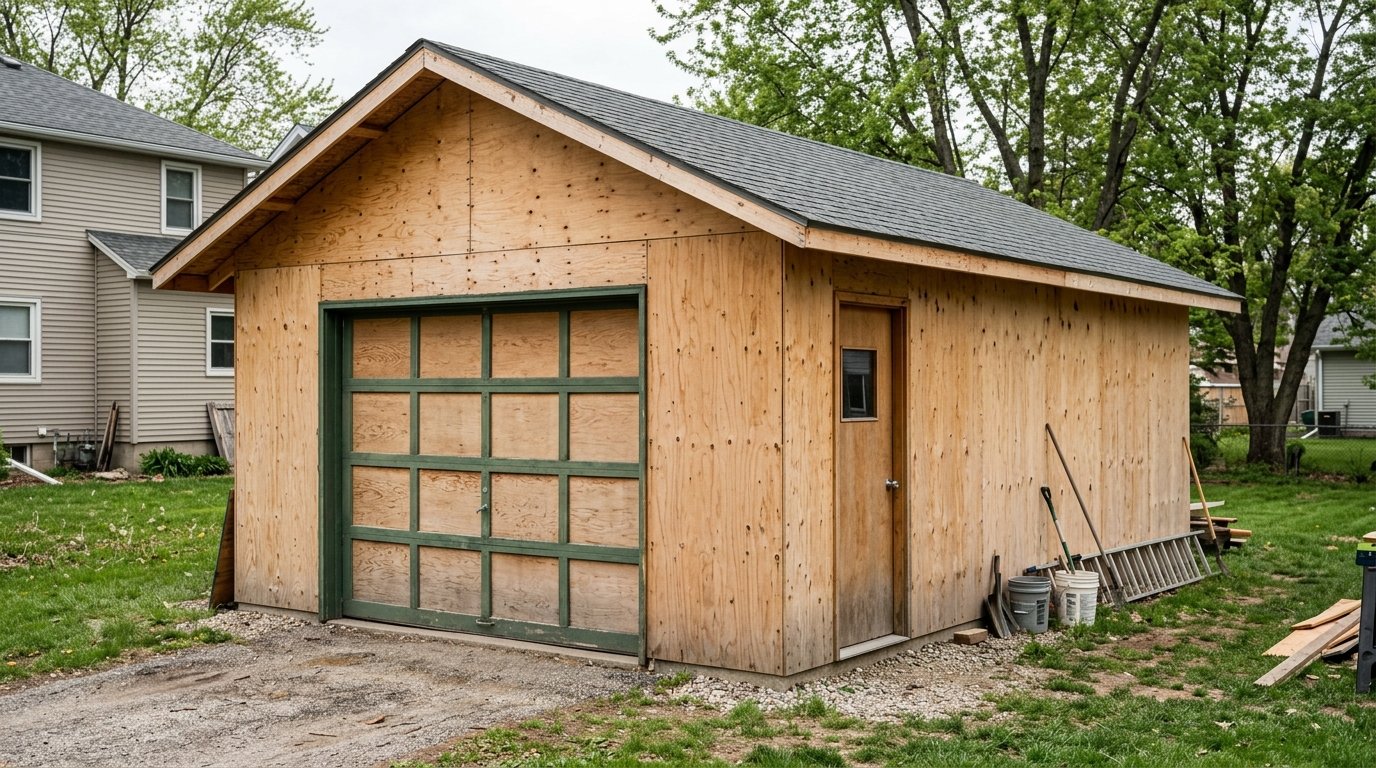

Yes, you can absolutely line your garage in plywood, and it is one of the most practical and budget-friendly ways to upgrade an unfinished space. Plywood lining gives your garage a finished look while adding strength, insulation support, and a surface that can hold tools, shelves, and cabinets securely.
Why Homeowners Choose Plywood for Garage Walls
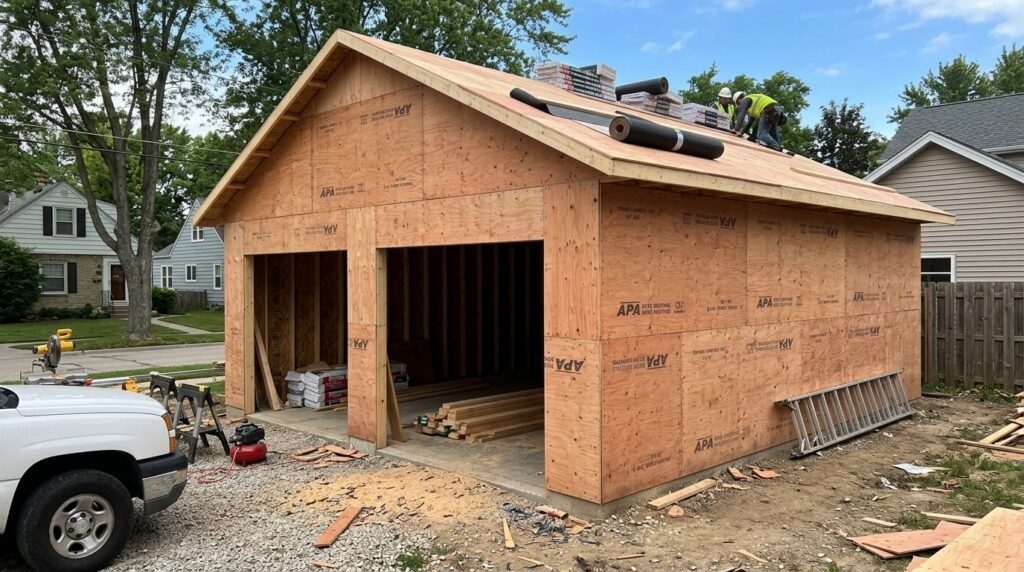
Plywood is popular for garage lining because it is affordable, easy to work with, and strong enough to handle daily wear. Many homeowners prefer it over drywall since it does not crack easily and can support heavy items without extra reinforcement.
Durability Compared to Drywall
Plywood resists dents, scratches, and impact far better than standard drywall sheets. A garage sees constant activity from tools, bikes, and vehicles brushing against walls, so a tougher surface saves money on repairs over time. This durability is one of the main reasons plywood remains a preferred choice for workshop-style garages.
Cost Effectiveness for DIY Projects
Plywood sheets are widely available and generally cost less than specialized garage wall panels. Since installation does not require taping, mudding, or sanding like drywall, homeowners also save on labor and finishing supplies. This makes plywood a smart option for anyone working on a limited renovation budget.
Easy Customization for Storage
Because plywood is solid wood throughout, you can screw shelves, hooks, and pegboards directly into it at any point. There is no need to search for wall studs since the entire surface acts as a mounting base. This flexibility is extremely useful for garages used as workshops or storage areas.
Types of Plywood Suitable for Garage Lining
Not every plywood sheet works the same way in a garage setting, so choosing the right type matters. The most common options include CDX plywood, marine plywood, and OSB, each offering different levels of moisture resistance and strength.
CDX Plywood
CDX plywood is the standard choice for garage walls because it is affordable and structurally sound. It has a rougher finish since it is meant for practical use rather than appearance, making it ideal for workshop-style garages. Most hardware stores carry this type in various thicknesses to suit different budgets.
Marine Grade Plywood
Marine grade plywood is treated to resist moisture and humidity, making it a strong option for garages in damp climates. It costs more than CDX plywood but lasts significantly longer in areas prone to condensation or water exposure. Homeowners near coastal regions often choose this type for added protection.
OSB as an Alternative
Oriented Strand Board, or OSB, is sometimes used instead of traditional plywood due to its lower price point. While it is not true plywood, it offers similar strength and can be finished in a comparable way. However, it tends to swell more when exposed to moisture compared to marine grade plywood.
Thickness Options for Garage Plywood Lining
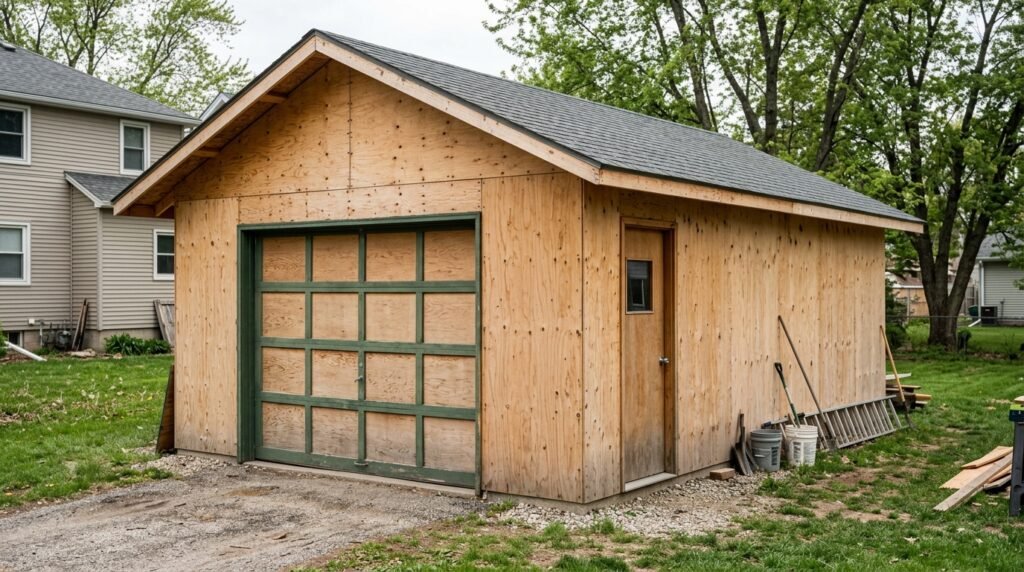
Choosing the right thickness affects both durability and cost, so it is worth understanding the common sizes before buying materials. Thinner sheets are cheaper but less impact resistant, while thicker sheets offer better strength for heavy-duty use.
Half Inch Plywood
Half inch plywood is a common minimum thickness for garage walls since it balances cost and strength reasonably well. It holds screws securely enough for light shelving and hooks, making it suitable for garages with moderate storage needs. Many DIYers start here before deciding whether thicker sheets are necessary.
Five Eighths Inch Plywood
Five eighths inch plywood adds noticeably more rigidity, which helps when mounting heavier cabinets or pegboard systems. This thickness performs well in garages that double as workshops with power tools mounted on walls. It resists warping better than thinner options over long term use.
Three Quarter Inch Plywood
Three quarter inch plywood is the strongest common option and is ideal for garages that need to support significant weight on the walls. It is heavier and more expensive but provides the best long-term durability. This thickness is often recommended for commercial-style garage workshops.
Here is a quick comparison table to help decide which thickness fits your needs:
| Thickness | Best For | Approximate Cost Level |
| 1/2 inch | Light shelving, basic storage | Low |
| 5/8 inch | Pegboards, moderate tool storage | Medium |
| 3/4 inch | Heavy cabinets, workshop use | High |
Step by Step Process to Line a Garage in Plywood
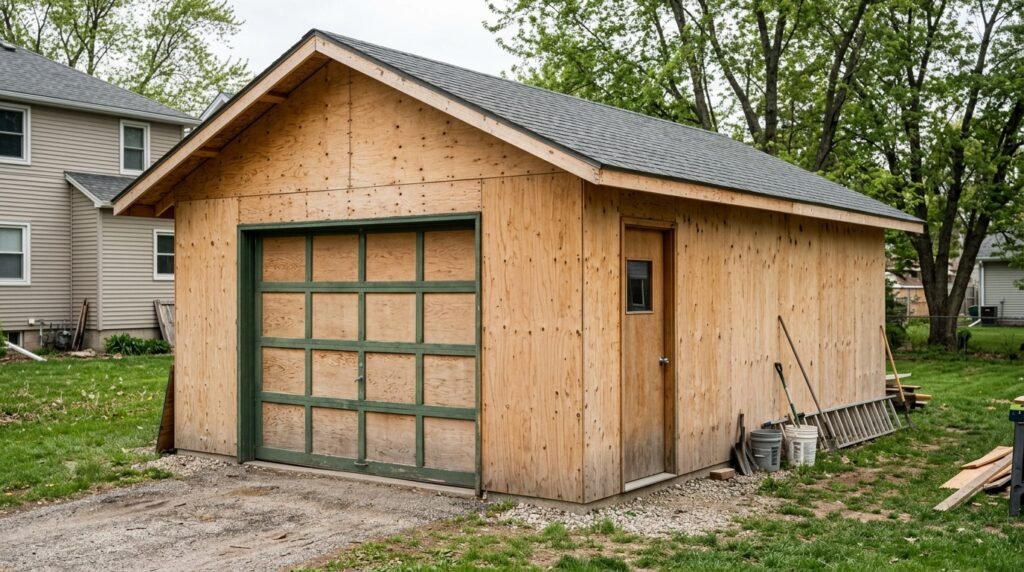
Installing plywood in a garage follows a fairly straightforward process, but each step matters for a clean and sturdy result. Proper planning before cutting or mounting sheets prevents wasted material and uneven walls.
Measuring and Planning Layout
Start by measuring wall height and width accurately to determine how many sheets are needed and where cuts will fall. Planning the layout in advance helps minimize seams at awkward spots like corners or around electrical outlets. Sketching a simple diagram on paper can save time once actual installation begins.
Preparing the Wall Surface
Before mounting plywood, check that wall studs are exposed, level, and free of any old insulation damage or debris. If insulation is being added, this is the stage to install it between studs before covering everything with plywood. A clean, dry surface behind the plywood prevents future moisture issues.
Cutting Plywood Sheets to Size
Use a circular saw or table saw to cut sheets according to your measured layout, allowing small gaps for expansion. Cutting accurately reduces the need for filler pieces and keeps the wall looking uniform once installed. Always wear safety gear when operating cutting tools in a garage setting.
Mounting Plywood to Studs
Attach plywood sheets directly to wall studs using screws rather than nails for a stronger hold over time. Screws should be spaced evenly along the edges and center of each sheet to prevent sagging or warping later. Starting from one corner and working across the wall keeps alignment consistent.
Finishing and Sealing
Once mounted, sanding rough edges and applying a sealant or paint protects the plywood from moisture and improves appearance. A clear coat is common in workshop garages, while painted finishes suit garages used as extra living or hobby space. This final step also makes cleaning oil or dust stains much easier.
Benefits of Lining a Garage in Plywood
Beyond durability and cost, plywood lining brings several practical advantages that make garages more functional overall. It improves the room’s usability whether the space is used for parking, storage, or hobbies.
Improved Insulation Support
Plywood works well alongside insulation batts placed between studs, helping regulate garage temperature more effectively than bare walls. This is especially useful in regions with extreme summer heat or winter cold. A better-insulated garage also reduces energy transfer to attached living spaces.
Enhanced Wall Strength for Mounting
Since plywood is solid across its surface, mounting heavy items becomes far easier compared to drywall that requires stud locating. Workshop owners particularly benefit since tools and shelving units need secure, weight-bearing walls. This strength also reduces the risk of items falling due to weak wall anchors.
Better Aesthetic for Multi Use Garages
A plywood-lined garage looks more finished and organized compared to exposed studs and insulation. This is helpful for garages that double as gyms, workshops, or storage rooms where appearance matters to some degree. Painted plywood can also brighten up a space that would otherwise feel dark and unfinished.
Common Mistakes to Avoid When Installing Plywood
Even a simple project like plywood lining can go wrong without careful attention to a few key details. Avoiding these common errors saves time, money, and future repair work.
Skipping Moisture Checks
Installing plywood without checking for existing moisture problems can lead to warping or mold growth behind the panels. It is important to address any leaks or dampness issues in the wall before covering it up. Skipping this step often causes bigger problems that are harder to fix later.
Using Incorrect Screw Spacing
Placing screws too far apart causes sheets to sag or separate from studs over time, especially under heavy loads. Following manufacturer spacing guidelines ensures the plywood stays firmly attached for years. This small detail significantly affects the long-term stability of the wall.
Ignoring Ventilation Needs
Sealing a garage completely without considering ventilation can trap moisture and fumes, especially if vehicles are parked inside. Leaving small gaps or vents where appropriate helps maintain healthy airflow. This is particularly important in garages without windows or exhaust fans.
Competitor Content Analysis
Most existing articles on this topic briefly mention that plywood can be used but do not go deep into thickness comparisons, moisture considerations, or step by step installation guidance. Many pieces also skip practical cost comparisons and common mistake sections, leaving readers without a full picture before starting their project. This guide fills those gaps by covering material types, thickness decisions, and a clear installation process in one place.
Conclusion
Lining your garage in plywood is a practical, affordable way to create a stronger, more organized, and better-finished space. By choosing the right plywood type and thickness, following a careful installation process, and avoiding common mistakes, you can build a garage wall system that lasts for years while supporting all your storage and workshop needs.
Frequently Asked Questions
Can you line your garage in plywood instead of drywall?
Yes, plywood is a strong alternative to drywall and works especially well in garages used for tools, workshops, or heavy storage.
What thickness of plywood is best for garage walls?
Half inch plywood works for basic use, while five eighths or three quarter inch is better for heavier tools and cabinets.
Does plywood need to be painted after installation?
Painting or sealing is not required but is recommended to protect against moisture and improve overall appearance.
Can plywood be installed over existing insulation?
Yes, plywood can be mounted directly onto studs after insulation is placed, as long as the surface remains flat and secure.
Is marine grade plywood necessary for every garage?
Marine grade plywood is mainly recommended for humid climates or garages prone to moisture, while standard CDX works fine in dry areas.
Related Articles
How to Clean and Store Kitchen Tools: The Complete Guide
How to Clean Cork Flooring: A Complete Guide 2026
Wet Floor Sign: A Complete Guide 2026
Glow in the Dark Epoxy Floor: The Ultimate Guide for Homeowners & Contractors